Medical disclaimer: This article is for general information only. It is not medical advice. Always consult a licensed healthcare professional before starting, stopping, or changing any medicine. Prescription medicines require a valid prescription after a consultation with a licensed prescriber.
Anxiety can show up as constant worry, a racing heart before a meeting, panic that seems to come from nowhere, or sleep that never feels restful. When anxiety starts to limit work, relationships, or daily life, many people ask the same question: what are the top anti-anxiety medicines, and how do prescribers choose between them?
This plain-language guide explains the main medicine classes used for anxiety, how they work, how quickly they tend to act, and the safety points worth discussing early. It does not recommend a specific medicine for any reader. Only a licensed prescriber who knows your history can decide whether a medicine is suitable for you, and which one fits best.
What “Top” Means Here — Most Commonly Prescribed, Not “Best for Everyone”
When people search for the top anti-anxiety medicines, they usually want a short list with one clear winner. In practice, there is no single best medicine for anxiety. Guidelines and prescribers describe several medicines as effective on average, and the right choice depends on the type of anxiety, other health conditions, past treatment, side effects, and personal preference.
“Top” in this article therefore means most commonly prescribed and most often recommended as a first step in guidelines — not “best for everyone.” A medicine that helps one person a great deal may cause troublesome side effects for another, or may not suit a different type of anxiety at all. That is why prescribers usually start with a careful assessment, discuss the options, and plan a review after a few weeks.
It also helps to know that medicine is only one part of anxiety care. Talking therapy, regular sleep, physical activity, and support for stress at work or home all play a role. For many people, the combination of medicine and therapy works better than either one alone, and this article looks at that evidence later.
The Main Classes at a Glance
Anti-anxiety medicines are grouped by how they act in the body. Some are taken every day to reduce anxiety over time. Others are used only for short periods or in specific situations. The table below gives a quick overview, and the sections that follow explain each group in more detail.
| Class | Examples | How prescribers usually think about it |
|---|---|---|
| SSRIs (selective serotonin reuptake inhibitors) | Sertraline, escitalopram, paroxetine, fluoxetine, citalopram | Usually first-line for long-term treatment of generalised anxiety, panic, and social anxiety when suitable. |
| SNRIs (serotonin-norepinephrine reuptake inhibitors) | Venlafaxine, duloxetine | An alternative first-line or second option, sometimes chosen when low mood, low energy, or pain is also present. |
| Buspirone | Buspirone | A daily, non-benzodiazepine option for generalised anxiety. It is not sedating in the same way as benzodiazepines and has a lower dependence risk. |
| Hydroxyzine and beta-blockers | Hydroxyzine; propranolol and other beta-blockers | Used for situational anxiety or physical symptoms, such as a racing heart or shaking before a performance. Hydroxyzine can cause drowsiness. |
| Benzodiazepines | Xanax (alprazolam), Valium (diazepam), Ativan (lorazepam), Klonopin (clonazepam) | Short-term only in most cases. They act quickly but carry a dependence risk, so prescribers use them with caution and for limited periods. |
SSRIs work by increasing the availability of serotonin, a chemical messenger involved in mood and anxiety. SNRIs affect both serotonin and norepinephrine. Buspirone acts on serotonin receptors in a different way, and it is not a benzodiazepine. Hydroxyzine is an antihistamine with calming effects, while beta-blockers reduce the physical effects of adrenaline, such as a fast heartbeat. Benzodiazepines enhance the calming effect of a messenger called GABA, which is why they act quickly — and why they can be habit-forming.

Which Type Is Used for Which Anxiety?
Different types of anxiety often call for different approaches. A prescriber will ask about your main symptoms, how long they have lasted, and what triggers them before suggesting a plan.
Generalised anxiety disorder (GAD)
For ongoing, everyday worry, daily medicines are usually the main option. SSRIs are often considered first, with SNRIs and buspirone as alternatives. Buspirone is sometimes discussed when a person wants a daily, non-benzodiazepine option and can wait for it to build up over time.
Panic disorder
For panic attacks, SSRIs are commonly used for long-term control, even though they take weeks to reach full effect. A benzodiazepine may be used for a short period while a daily medicine takes effect, but this is a short-term bridge, not a long-term plan, because of dependence risk.
Social anxiety
For social anxiety, SSRIs are often the daily treatment of choice, alongside talking therapy. For a single feared event, such as a presentation, a prescriber may instead discuss a situational option that targets physical symptoms, such as a beta-blocker, rather than a daily medicine.
Performance anxiety
Performance anxiety is often mainly physical: shaking hands, a pounding heart, and a shaky voice. Beta-blockers are sometimes used for this specific situation because they blunt those physical effects. They do not treat ongoing worry, so they are not a substitute for daily treatment when anxiety is present most days.
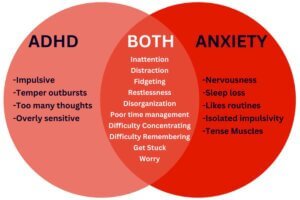
Anxiety often appears alongside other conditions, and that changes the choice. When anxiety comes with depression, prescribers often favour medicines that can help both, and our guide to Best Depression Medications explains how that overlap is handled. When a person has anxiety with ADHD or depression, the picture is more complex, because some medicines can worsen restlessness or sleep, so combinations need careful review. In an atypical or comorbidity note, bupropion is sometimes discussed when low energy and concentration are prominent, although it is not usually a first choice for anxiety itself, because it can increase restlessness in some people.
How Long Before They Work?
How quickly an anti-anxiety medicine works depends on its class. Benzodiazepines and hydroxyzine can calm symptoms within hours, which is part of their appeal — and part of why their use is limited. Beta-blockers act within an hour or so on physical symptoms, but only for that occasion.
Daily medicines take longer. With SSRIs, SNRIs, and buspirone, some people notice small changes in one to two weeks, such as slightly less tension or better sleep, but the full benefit often takes four to six weeks, and sometimes up to eight weeks. Early side effects can appear before the benefit does, which is why some people stop too soon. Prescribers usually plan a review after a few weeks to check progress and decide whether to continue, adjust, or change the plan.
Taking the medicine every day, as prescribed, matters more than most people expect. Missing doses can delay progress and make it harder to judge whether the medicine is working. Keeping simple notes in the first weeks — sleep, mood, worry levels, and any side effects — can make the review appointment much more useful. If there is no improvement at all after several weeks at a suitable course, a prescriber will usually review the diagnosis, check for other causes, and consider a different medicine or adding therapy.
Dependence, Tolerance and Stopping — Why Medical Guidance Matters
Dependence is the safety issue most people ask about, and it is important to understand the difference between classes. SSRIs, SNRIs, and buspirone are not considered addictive in the same way as benzodiazepines, but stopping them suddenly can still cause uncomfortable symptoms, such as dizziness, flu-like feelings, vivid dreams, and a return of anxiety. That is why stopping should always be discussed with a prescriber, who can plan a gradual reduction if that is appropriate.
Benzodiazepines carry a higher risk. With regular use, the body can become used to them, so the same effect needs a higher amount over time — this is tolerance — and stopping suddenly can cause withdrawal symptoms, including rebound anxiety, insomnia, and, in severe cases, seizures. The U.S. Food and Drug Administration requires a boxed warning on benzodiazepines about the risks of abuse, misuse, addiction, physical dependence, and withdrawal. For these reasons, prescribers usually limit benzodiazepines to short periods, the lowest course that helps, and a clear plan for stopping.
Combining medicines also raises risks. Mixing Adderall and Xanax is an example prescribers warn about: a stimulant and a sedative can mask each other’s effects, making it harder to judge how much has been taken, and the combination needs medical review. The same caution applies to alcohol, opioids, sleep medicines, and any medicine bought without a prescription. Always tell your prescriber about everything you take, including supplements and over-the-counter products.
Never share a prescription medicine with someone else, and never take a medicine prescribed for another person. What is safe for one person can be unsafe for another, especially with a different health history, age, or other medicines in use.
Side Effects to Discuss Early
All medicines can cause side effects, and anti-anxiety medicines are no exception. Many early side effects are mild and ease over the first one to two weeks, but it is worth knowing what to watch for and what to report promptly.
- SSRIs and SNRIs: nausea, headache, sleep changes, restlessness, sweating, dry mouth, and sexual side effects are among the most commonly reported. Some people feel more anxious in the first week or two before improvement begins.
- Buspirone: dizziness, headache, nausea, and restlessness are possible. It is generally less sedating than benzodiazepines, but it still needs regular daily use.
- Hydroxyzine: drowsiness and dry mouth are common, so driving and operating machinery need care until you know how it affects you.
- Beta-blockers: tiredness, cold hands and feet, dizziness, and a slow pulse can occur. They are not suitable for everyone, particularly people with certain breathing or heart conditions.
- Benzodiazepines: drowsiness, poor coordination, memory problems, and confusion are possible, and the risk rises with alcohol or other sedating medicines. Older adults are more sensitive to these effects.
Serious side effects are less common, but they are the reason follow-up matters. Tell a prescriber promptly about severe restlessness, new or worsening low mood, thoughts of harming yourself, allergic symptoms such as swelling or difficulty breathing, or any symptom that worries you. If you feel you may act on thoughts of harming yourself, seek urgent help right away, or contact a crisis line in your country. Also tell your prescriber about pregnancy, breastfeeding, liver or kidney problems, and any history of substance use, because these can change which medicine is suitable.
Anxiety and sleep are closely linked: poor sleep can worsen anxiety, and anxiety can make sleep harder. If sleep is a major problem, discuss it at the appointment rather than adding a sleep medicine on your own, because sedating medicines can interact with anxiety treatment.
Anxiety Medicine Plus Therapy (CBT) — What Guidelines Suggest
Medicine can reduce symptoms, but it does not by itself change the thought patterns and avoidance that keep anxiety going. Cognitive behavioural therapy (CBT) helps people notice unhelpful thoughts, test feared situations gradually, and build coping skills. Guidelines commonly suggest CBT as a first option for many types of anxiety, often alongside medicine when symptoms are moderate to severe.
For many people, the combination works better than either one alone: medicine can lower symptoms enough to engage with therapy, and therapy can provide skills that last after medicine stops. Ask your prescriber or therapist what combination is available where you live, and how long therapy usually takes.

Questions to Ask Your Prescriber
- Which medicine are you considering, and why this one for me?
- How long before we review whether it is helping?
- What side effects should I watch for in the first weeks?
- What should I do if I miss a dose, or if I feel worse?
- How long might I need to take it, and how would we stop it safely?
- Which other medicines, supplements, or alcohol should I avoid?
Frequently Asked Questions
What is the best medicine for anxiety? There is no single best one. The choice depends on the type of anxiety, other health conditions, side effects, and past treatment. SSRIs are often considered first for long-term treatment when suitable.
What is first-line treatment for anxiety? For many adults, an SSRI taken daily, often alongside CBT, is the usual first-line approach. SNRIs, buspirone, and other options may be considered instead, depending on the person.
How long do anxiety medicines take to work? Fast-acting medicines can work within hours, but daily medicines such as SSRIs, SNRIs, and buspirone usually take four to six weeks for full benefit, with small changes sometimes appearing in one to two weeks.
Are anti-anxiety medicines addictive? It depends on the class. Benzodiazepines carry a dependence and addiction risk, which is why they are usually short-term only. SSRIs, SNRIs, and buspirone are not considered addictive in the same way, but stopping them suddenly can still cause symptoms, so medical guidance is needed.
Can anxiety medicine be taken long-term? Some daily medicines are taken for months or longer when they help and are tolerated, with regular reviews. Long-term use should always be decided with a prescriber, who will weigh benefits, side effects, and the option of therapy.
Sources and Further Reading
Sources: National Institute of Mental Health — Anxiety Disorders; MedlinePlus — Anxiety; NHS — Generalised Anxiety Disorder.
Medical disclaimer: This article is for general information only and is not medical advice. Always consult a licensed healthcare professional before starting, stopping, or changing any medicine. Prescription medicines require a valid prescription after a consultation with a licensed prescriber. You can browse prescription medicines at SafeHealth247, where a valid prescription is required.