Medical disclaimer: This article is for general information only. It is not medical advice, and it does not diagnose or treat any condition. Weight, appetite and metabolism are affected by many factors, and any weight-loss product should be discussed with a licensed doctor or pharmacist first. Prescription weight-loss medicines require a valid prescription after a consultation with a licensed prescriber. Do not start, stop, or change any medicine or supplement on your own.
“Non-prescription weight loss drugs” sounds like a simple category, but it covers very different products. Some are medicines approved for sale without a prescription. Most are dietary supplements, which are regulated differently from medicines. And some products sold online with that label are neither approved nor safe. Understanding which type a product is — and what the evidence actually says — matters more than the name on the packet.
This guide explains the difference, what is known about the most commonly discussed options, the risks to know about, and when to talk to a clinician instead of buying a product.
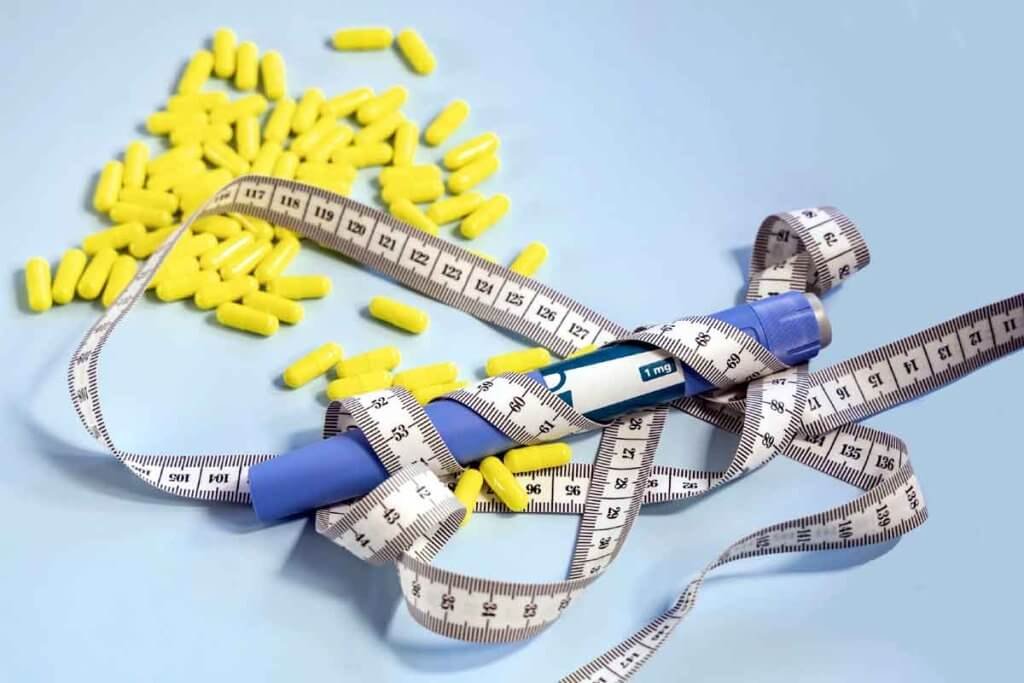
What Does “Non-Prescription Weight Loss Drug” Actually Mean?
In the United States, a product sold without a prescription falls into one of two main groups, and the difference is important.
FDA-approved OTC drugs vs dietary supplements — the regulatory split
An over-the-counter (OTC) drug has been reviewed by the U.S. Food and Drug Administration (FDA) for safety and effectiveness for its stated use, and its label is approved as part of that process. Only a small number of weight-loss products meet that standard. For a fuller explanation of the general distinction, see our guide to what non-prescription drugs are.
A dietary supplement, by contrast, is not approved by the FDA before it is sold. Supplement makers are responsible for ensuring their products are safe, and the FDA acts mainly after a problem is reported. Supplements do not have to prove they work before they reach the shelves, and their labels are not approved in the same way as a medicine’s label.
That split explains much of the confusion in this area. Two products can sit side by side, both claiming to help with weight loss, while one has been through FDA review and the other has not. The word “natural” does not close that gap: a supplement can be plant-based and still interact with prescription medicines, affect the liver, or contain an ingredient that is not listed on the label.
The Only FDA-Approved OTC Option in the US
In the US, there is only one FDA-approved non-prescription weight-loss drug: orlistat in its lower-strength OTC form. The higher-strength form is available only on prescription. Orlistat works by reducing the amount of fat absorbed from food, rather than by suppressing appetite.
The evidence for it is modest. In clinical trials, people using it alongside diet and activity changes lost, on average, a small amount of extra weight compared with lifestyle changes alone. That result depended on the lifestyle changes — the medicine on its own, without changes to eating and activity, is not a weight-loss plan. This article does not recommend it for any individual reader, and it does not give dosage or usage instructions. Whether it is suitable, and whether it is safe alongside other medicines or conditions, is a question for a licensed doctor or pharmacist.
Its best-known side effects are gastrointestinal — oily stools, urgency, and stomach discomfort — which is why the label carries clear warnings about diet and about when to seek advice. The FDA has also updated orlistat labelling to include warnings about kidney stones and acute kidney injury. Anyone with kidney, liver, thyroid, diabetes, or heart conditions, anyone who is pregnant, and anyone taking other medicines should discuss it with a clinician before considering it.
Common Supplement Ingredients — What the Evidence Shows
Most non-prescription weight-loss products are supplements, not approved drugs. The ingredients below are the ones shoppers ask about most often. The evidence for each is mixed or small, and none of them is a substitute for medical assessment.
Green-tea extract. Green tea contains compounds that have been studied for a small effect on metabolism. Results across studies are inconsistent, and concentrated green-tea extracts have been linked in case reports to liver injury. Drinking green tea as a beverage is not the same as taking a concentrated extract in a capsule.
Glucomannan. This is a fibre from the konjac root. It can absorb water and may increase feelings of fullness. Trials show, at most, a small average effect, and it can cause bloating and digestive discomfort. It can also affect how other medicines are absorbed, so timing and interactions matter and should be discussed with a pharmacist.
Caffeine. Caffeine is a stimulant found in many weight-loss supplements, sometimes in high amounts and sometimes combined with other stimulants. It may slightly increase energy expenditure, but it can also raise heart rate and blood pressure, disturb sleep, and interact with other stimulants and medicines. People with heart conditions, anxiety, or sleep problems should be especially cautious.
CLA (conjugated linoleic acid) and other marketed ingredients. CLA, garcinia, and green-coffee extract are widely sold, but the evidence for meaningful, lasting weight loss from any of them is weak and inconsistent. Small average changes in short trials do not translate into a reliable result for an individual, and long-term safety data are limited.
The pattern across all of these is the same: no supplement has strong evidence of substantial, lasting weight loss on its own, and “clinically proven” on a label is a marketing phrase, not an FDA approval.
Side Effects and Interactions to Know About
Side effects depend on the product, but some themes recur. Orlistat’s effects are mainly gastrointestinal, as described above, with the kidney warnings now on its labelling. Stimulant-containing supplements can cause jitteriness, a fast heartbeat, raised blood pressure, anxiety, and poor sleep. Fibre-based products can cause bloating, gas, and stomach pain. Concentrated herbal extracts carry a risk of liver effects.
Interactions are a separate and often overlooked risk. Weight-loss products can interact with medicines for diabetes, thyroid conditions, seizures, heart conditions, and blood thinning, and with other supplements. Because supplements are not reviewed before sale, their labels may not list every interaction. A pharmacist can check a specific product against a person’s medicine list — that check is worth doing before buying anything, not after a problem appears.
Red Flags: Withdrawn Ingredients, Hidden Ingredients and “Too Good to Be True” Claims
Some weight-loss products have been withdrawn from sale because of safety concerns. Sibutramine, once sold as a prescription weight-loss medicine, was withdrawn in several countries after evidence of increased cardiovascular risk. Products that promise rapid, effortless weight loss, or that claim to work without any change to diet or activity, should be treated with scepticism.
A more serious red flag is a hidden ingredient. Regulators have repeatedly found weight-loss supplements that contained prescription-only ingredients, or stimulants, that were not listed on the label. Warning signs include a product sold only through an unfamiliar website, a price far below comparable products, no clear manufacturer or contact details, claims that it works for everyone, and any suggestion that a prescription is unnecessary for a prescription-only ingredient. If a product makes those claims, do not buy it, and report it to a pharmacist or to the FDA’s reporting system.
Do These Products Work Without Diet, Activity and Sleep Changes?
In short: no. The modest effects seen in trials for the approved OTC option, and the small effects reported for some supplements, were all measured in people who were also changing what they ate and how active they were. No non-prescription product has reliable evidence of substantial weight loss without those changes.
That is not a reason to dismiss lifestyle change as “just willpower” — weight is influenced by sleep, stress, medicines, medical conditions, and environment, and sustainable change usually needs support, not a single product. A clinician can help identify whether a medical condition, or a medicine a person already takes, is affecting weight, and what options are appropriate. That assessment is part of what a prescription process is for, and it is missing entirely from a supplement purchase.
Who Should Talk to a Clinician First?
Everyone should consider discussing a weight-loss product with a clinician or pharmacist first, but it is especially important for people with heart disease, diabetes, thyroid conditions, liver or kidney disease, high blood pressure, a seizure disorder, an eating disorder or a history of one, anyone who is pregnant or breastfeeding, and anyone taking prescription medicines — including medicines for mood, as some medicines used for depression and anxiety can affect appetite and weight. Our guides to the best depression medications and top anti-anxiety medicines explain why those effects are always a prescriber discussion, never a reason to change a medicine on your own.
Children and teenagers should not use weight-loss products without medical advice, and neither should anyone who has had bariatric surgery or who is underweight.
Prescription Weight-Loss Medicines — Why They Require a Prescription
Prescription weight-loss medicines are available only after a licensed clinician has assessed a person’s health, weight history, other conditions, and medicines. That assessment exists because these medicines can have significant side effects and interactions, and because they are only appropriate for some people. For general information about how prescription medicines work at SafeHealth247, see how prescription medicines work at SafeHealth247.
No article, advertisement, or online seller can replace that assessment. A product that claims to offer the same result without a prescription is either a supplement with much weaker evidence, or a product that should not be trusted.
Safer Questions to Ask a Licensed Doctor or Pharmacist
Before buying any weight-loss product, these questions are worth asking:
- Is this product an FDA-approved drug or a dietary supplement, and what does that mean for safety and evidence?
- What is known about its side effects and interactions with the medicines I already take?
- Is there a medical reason my weight is changing, or a medicine affecting it?
- What would a realistic, safe goal look like for me, and over what time?
- What support is available — for eating, activity, sleep, and mood — alongside any product?
- What should I do if I notice a side effect, and when should I stop and seek help?
Bring the product’s full label and ingredient list to the appointment or pharmacy counter, including any other supplements being taken. That list is what makes the safety check possible.
Frequently Asked Questions
What is the only FDA-approved non-prescription weight loss drug?
In the US, orlistat in its lower-strength OTC form is the only FDA-approved non-prescription weight-loss drug. The higher-strength form requires a prescription. It is not recommended for any individual reader here, and suitability should be discussed with a licensed doctor or pharmacist.
Do over-the-counter weight loss pills work?
On their own, the evidence is modest at best. The approved OTC option showed a small average extra weight loss in trials when combined with diet and activity changes. Supplements have weaker and less consistent evidence, and none has reliable evidence of substantial, lasting weight loss without lifestyle change.
Are weight loss supplements safe?
Not necessarily. “Natural” does not mean safe. Supplements can cause side effects, interact with prescription medicines, affect the liver, and in some cases contain ingredients not listed on the label. They are not approved by the FDA before sale in the way medicines are.
What are the side effects of orlistat?
The best-known effects are gastrointestinal, including oily stools and stomach discomfort. FDA labelling also includes warnings about kidney stones and acute kidney injury. This is general information only — anyone considering it should discuss their own health and medicines with a clinician first.
Can I buy weight loss drugs without a prescription?
Some products are legally sold without a prescription, but that does not make them safe or suitable for everyone. Prescription weight-loss medicines always require a valid prescription after a licensed clinician’s assessment, and any non-prescription product should be discussed with a licensed doctor or pharmacist first, especially with heart, thyroid, diabetes, liver, kidney, or pregnancy considerations, or while taking other medicines.
What is the difference between a weight loss drug and a supplement?
A drug has been reviewed by the FDA for safety and effectiveness for its stated use, with an approved label. A supplement has not been through that pre-market approval, does not have to prove it works before sale, and is regulated mainly after problems are reported. That difference is the most important thing to check before buying.
Sources and Further Reading
For reliable general information, see the FDA’s consumer guidance on weight-loss products and on orlistat labelling, MedlinePlus on weight-loss medicines and supplements, and the NHS guidance on weight-loss medicines. Figures and warnings in this article are attributed to those sources and to the trial summaries cited in the SafeHealth247 competitor research plan of 19 Nov 2026; no statistic here should be read as a promise of a result for any individual reader. For more on how SafeHealth247 explains non-prescription products, see how SafeHealth247 explains non-prescription products.
Sources: FDA — Weight Loss Product Notifications; FDA — OTC weight-loss drug Alli (orlistat) labelling changes; MedlinePlus — Orlistat.
Medical disclaimer: This article is for general information only. It is not medical advice and does not replace a consultation with a licensed healthcare professional. Only a licensed prescriber who has assessed you can decide whether any weight-loss medicine or product is suitable for you. Prescription medicines require a valid prescription after a consultation. For general information about safe, prescription-based care, visit the SafeHealth247 shop — prescription medicines are supplied only with a valid prescription after consultation, and any non-prescription product should be discussed with a clinician first.