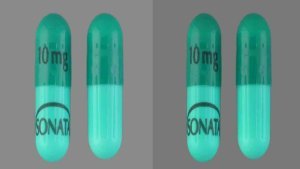
Pharmaceutical medications have transformed the healthcare landscape over the past century. From antibiotics that combat life-threatening infections to antidepressants that support mental well-being, these substances play a pivotal role in improving lives. However, while medications can be life-saving, understanding how they work, when they’re appropriate, and what risks they carry is essential for every patient and caregiver.
What Are Pharmaceutical Medications?
Pharmaceutical medication, commonly known as drugs or medicine, are substances used to diagnose, treat, prevent, or cure diseases and medical conditions. These compounds can be derived from natural sources, synthesized in laboratories, or bioengineered to target specific bodily processes. Medications can come in various forms—tablets, capsules, injections, topical creams, and liquids—depending on their purpose and delivery method.
Modern pharmaceutical science has allowed for a wide range of drugs that address countless health issues. These medications are typically regulated by government agencies such as the FDA (U.S.), MHRA (UK), or EMA (Europe), ensuring safety, efficacy, and quality.

A Brief History of Pharmaceutical Medicines
The story of pharmaceutical medicines stretches back thousands of years. Ancient civilizations used herbal remedies to treat common ailments. Egyptians, Greeks, and Chinese medicine practitioners documented hundreds of natural cures, many of which laid the groundwork for today’s pharmaceuticals.
The real turning point came during the 19th and 20th centuries when chemists began isolating active ingredients from plants and creating synthetic compounds. The invention of penicillin in 1928 by Alexander Fleming is often hailed as one of the greatest medical discoveries, ushering in the era of antibiotics.
Categories of Pharmaceutical Medicines
Pharmaceutical medicines can be broadly classified into several categories, each serving a different function:
Antibiotics
Used to treat bacterial infections, antibiotics like amoxicillin, ciprofloxacin, and azithromycin are commonly prescribed. They work by killing or inhibiting the growth of bacteria.
Analgesics
These pain-relieving drugs include opioids (like morphine) and non-opioids (like acetaminophen and ibuprofen). They help reduce or eliminate pain caused by injury, surgery, or chronic conditions.
3. Antipyretics
Designed to reduce fever, medications such as paracetamol and aspirin help regulate body temperature during infections or inflammation.
Antidepressants
Targeting neurotransmitters in the brain, antidepressants like SSRIs (Selective Serotonin Reuptake Inhibitors) are used to treat depression and anxiety disorders.
Antihypertensives
These medications control high blood pressure, reducing the risk of strokes and heart disease. Common examples include ACE inhibitors, beta-blockers, and calcium channel blockers.
Vaccines
While not traditional medications, vaccines are a type of pharmaceutical product designed to prevent infections by boosting the immune system.
Hormonal Medications
These include insulin for diabetes, thyroid hormone replacements, and birth control pills, each targeting specific endocrine functions.

How Medications Work
Understanding how medications work can empower patients to use them more effectively. Once ingested or administered, the drug interacts with receptors, enzymes, or cells in the body to initiate a therapeutic effect. This action may block pain signals, reduce inflammation, fight off pathogens, or correct chemical imbalances.
Pharmacokinetics—the study of how drugs move through the body—includes absorption, distribution, metabolism, and excretion. The effectiveness of a medication depends on factors such as the dosage, timing, route of administration, and the individual’s unique physiology.
Benefits
The advantages of pharmaceuticals are vast and well-documented. They not only alleviate symptoms but also play a role in the prevention, management, and even eradication of diseases. Some of the major benefits include:
- Disease control: Chronic conditions like diabetes, asthma, and hypertension can be managed effectively with consistent medication use.
- Improved quality of life: Mental health medications allow individuals to live balanced and fulfilling lives.
- Life-saving interventions: Emergency drugs such as epinephrine and thrombolytics can save lives during critical moments.
- Extended life expectancy: Pharmaceutical advancements have significantly increased the average human lifespan.
Risks and Side Effects
Despite their benefits, pharmaceutical medications carry potential risks and side effects. Every drug can affect people differently based on age, genetics, existing health conditions, and other medications being taken. Some common side effects include nausea, drowsiness, dizziness, or allergic reactions. More serious adverse effects, although rare, can include organ damage or dependency.
For instance, opioid medications, while effective for pain relief, pose a high risk of addiction. Similarly, long-term use of certain antidepressants can result in withdrawal symptoms if discontinued abruptly. That’s why consulting with healthcare professionals is vital before starting or stopping any medication.
The Role of Prescriptions and Regulations
Prescription medications are strictly controlled to ensure they are used safely. Only licensed medical practitioners can prescribe certain drugs due to their potency or potential side effects. Regulatory bodies evaluate clinical trials and monitor post-market data to ensure drug safety.
Over-the-counter (OTC) medications, while accessible without a prescription, still require caution. Misuse or overuse of OTC drugs can lead to complications, drug resistance, or interactions with other medications.
At https://safehealth247.com/, we encourage patients to always follow their doctor’s advice and report any side effects promptly.
Generic vs. Brand-Name Medications
Patients often wonder about the difference between generic and brand-name drugs. Brand-name drugs are marketed under a trademarked name by a pharmaceutical company. After patent expiration, other companies can produce generic versions containing the same active ingredients.
Generic medications are typically more affordable and just as effective as their branded counterparts. Regulatory bodies ensure that generics meet the same standards for quality, safety, and efficacy.
The Importance of Adherence
One of the major challenges in healthcare is medication non-adherence. Patients may forget to take their meds, stop when they feel better, or avoid them due to side effects or cost. Unfortunately, non-compliance can lead to worsening conditions, hospitalizations, and even death.
Tips to improve adherence include:
- Setting daily reminders
- Using pill organizers
- Educating oneself about the medication
- Regularly consulting with healthcare providers
Technology and Pharmaceutical Medications
Modern technology is reshaping how pharmaceutical medications are developed and delivered. Innovations such as 3D printing of drugs, smart pill bottles, and AI-assisted drug discovery are revolutionizing the industry. Additionally, mobile apps and digital platforms help track medication intake, monitor health data, and connect patients with professionals.
The evolution of telehealth and e-pharmacies, like services offered on https://safehealth247.com/, allows for easier access to essential medicines without leaving home.
Pharmaceutical Medications and Public Health
Pharmaceuticals contribute greatly to public health initiatives. Vaccination programs, HIV treatment plans, and widespread antibiotic use have reduced global disease burdens. However, over-reliance on certain medications has also led to issues like antimicrobial resistance (AMR), a growing concern among global health authorities.
Public awareness campaigns and responsible prescribing practices are essential to combat these threats while ensuring that pharmaceutical medications remain a powerful tool for good.
The Cost of Medications
Affordability remains a barrier for many patients worldwide. While some nations offer universal healthcare or subsidized drug programs, others rely heavily on out-of-pocket expenses. Generic drugs, government initiatives, and non-profit programs are attempting to bridge this gap.
At https://safehealth247.com/, we believe that access to pharmaceutical medications should be a right, not a privilege. Our mission is to guide people toward reliable, affordable, and safe healthcare solutions.
Safe Storage and Disposal
Improper storage and disposal of medications can pose risks to people, pets, and the environment. Drugs should be stored in cool, dry places and kept out of reach of children. Expired or unused medications should not be flushed or tossed in the trash. Instead, local take-back programs or pharmacy disposal bins should be used.
Future of Pharmaceutical Medications
Looking ahead, the future of pharmaceutical medications is promising. Personalized medicine, where drugs are tailored to an individual’s genetic makeup, is gaining momentum. Breakthroughs in biotechnology and nanomedicine are opening doors to more targeted and effective treatments with fewer side effects.
Drug development is becoming faster, thanks to AI and machine learning, allowing for quicker responses to emerging diseases. As research deepens, we can expect even more refined therapies that offer hope for conditions previously deemed untreatable.
Final Thought
Pharmaceutical medications have undeniably changed the world for the better. They empower us to live longer, healthier, and more fulfilling lives. However, they are not magic bullets and must be used with caution, knowledge, and responsibility. By understanding their mechanisms, potential, and limits, patients can make informed decisions for their health.
Whether you’re managing a chronic condition, recovering from an illness, or simply curious about how medications work, staying educated is the first step to better health. For trusted guidance, expert tips, and more, visit https://safehealth247.com/—your partner in smart healthcare decisions.