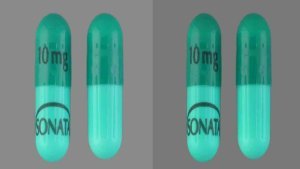
In today’s rapidly evolving healthcare landscape, affordability and accessibility remain key concerns for patients around the world. One of the most significant contributors to accessible healthcare is the availability of generic drugs. These medications have revolutionized how people manage their health by offering the same therapeutic effects as brand-name drugs—at a fraction of the cost..
What Are Generic Drugs?
Generic drugs are pharmaceutical medications created to be identical to brand-name drugs in dosage, strength, route of administration, quality, performance characteristics, and intended use. After the patent of a brand-name drug expires, other manufacturers are allowed to produce generic versions of it.
For instance, if a branded medication like Lipitor (used for lowering cholesterol) loses its patent protection, pharmaceutical companies can then manufacture drugs with the same active ingredients—like atorvastatin—offering the same health benefits but at much lower prices.
Why Are Generic Drugs More Affordable?
One of the most common questions is why generic drugs are cheaper than their branded counterparts if they’re essentially the same. The answer lies in development costs. When pharmaceutical companies develop a new drug, they invest millions—sometimes billions—of dollars in research, development, clinical trials, and marketing.
Generic drug manufacturers don’t have these same upfront costs. They use the original research data and focus solely on manufacturing and distribution, which significantly reduces the price. Moreover, increased market competition after a patent expires naturally drives the price down.

Regulatory Approval and Safety Standards
A common misconception is that generic drugs are somehow inferior in quality. This is far from the truth. Generic medicine must meet rigorous standards set by regulatory bodies like the U.S. Food and Drug Administration (FDA), the European Medicines Agency (EMA), and other global health authorities.
These agencies evaluate:
- Bioequivalence to the brand-name drug
- Manufacturing processes
- Quality control
- Packaging and labeling
Generic drugs undergo stringent testing to ensure they provide the same benefits as their branded versions. At SafeHealth247, we source medications from licensed and compliant manufacturers to guarantee safety and efficacy.
The Science Behind Bioequivalence
The term bioequivalence refers to the comparison between a generic and a branded drug in terms of how much of the drug gets into a patient’s bloodstream and how fast. If two products are bioequivalent, they are expected to be equally effective.
Regulatory authorities require that generic drugs show a 90% confidence interval for bioequivalence, usually within the 80–125% range of the original drug’s bioavailability. This scientific benchmark ensures that patients receive the same clinical effect when switching between generic and brand-name medications.
Common Types of Generic Drugs
From antibiotics to antihypertensives, generic medications are available in almost every therapeutic class. Some widely used examples include:
- Metformin: Generic version of Glucophage (for type 2 diabetes)
- Omeprazole: Generic version of Prilosec (for acid reflux)
- Losartan: Generic version of Cozaar (for high blood pressure)
- Fluoxetine: Generic version of Prozac (for depression and anxiety)
These generic drugs are often indistinguishable in performance from their branded equivalents, yet they cost significantly less.
The Global Impact of Generic Drugs
Generic medications play a pivotal role in global healthcare. According to the World Health Organization (WHO), essential generic drugs are crucial in making healthcare more affordable, especially in low and middle-income countries. They help in:
- Reducing the cost burden on healthcare systems
- Improving access to essential treatment
- Promoting public health outcomes
In developed nations, generic medication accounts for more than 80% of prescriptions, showcasing their widespread acceptance and trust.
Insurance and Generic Drug Policies
Most insurance providers prefer generic medications due to their cost-efficiency. Many policies have tiered pricing models where generic drugs are listed in the lowest-cost tier, minimizing out-of-pocket expenses for patients. Pharmacists also have the authority in many regions to substitute branded prescriptions with generic alternatives unless otherwise specified by the prescribing doctor.
At SafeHealth247, we understand how crucial it is to have options that align with both medical and financial needs. That’s why we prioritize generic options wherever appropriate.

Challenges and Misconceptions
Despite their advantages, generic drugs still face a few challenges:
1. Patient Skepticism
Some people believe that lower cost equals lower quality. However, multiple clinical studies have debunked this myth.
2. Branding and Appearance
Due to trademark laws, generic cure may differ in color, shape, or packaging, which can confuse some patients. These cosmetic differences have no impact on effectiveness.
3. Manufacturing Variability
While regulatory standards exist, occasional manufacturing lapses can occur. That’s why it’s essential to purchase medications from reliable platforms like SafeHealth247.
The Role of SafeHealth247 in Promoting Generic Drugs
At SafeHealth247, we are dedicated to improving lives by providing access to safe, affordable, and high-quality generic drugs. We collaborate with certified pharmacies and manufacturers to ensure that every product on our platform meets international health and safety guidelines.
We make it easier for individuals to:
- Access prescription medications without the heavy cost
- Get educated about drug alternatives
- Trust the quality and source of their medications
Our customer support team also guides users in understanding their prescriptions, enabling informed decisions at every step.
How to Transition from Branded to Generic Drugs
If you’re considering switching to a generic version of your medication, follow these steps:
- Consult Your Doctor: Confirm whether a generic alternative is suitable for your condition.
- Check Your Prescription: Ensure the doctor writes “generic substitution allowed” if you’re in a country that requires it.
- Use Trusted Sources: Always purchase from verified suppliers like SafeHealth247.
- Monitor Your Health: Note any side effects or changes after the switch and report them to your healthcare provider.
Generic Drugs and Chronic Illness Management
Chronic conditions like diabetes, hypertension, asthma, and depression often require long-term medication. This can lead to overwhelming expenses if patients rely solely on branded drugs.
Generic cure offers a long-term, sustainable solution for managing chronic diseases without sacrificing effectiveness. Patients can maintain medication adherence without breaking the bank, which leads to better health outcomes and fewer hospital visits.
Future of Generic Cure
With the growing acceptance and demand for affordable healthcare, the future of generic drugs looks promising. Innovations in drug formulation, better regulatory practices, and global health initiatives are set to strengthen their impact.
Additionally, the rise of digital health platforms like SafeHealth247 is making it easier than ever for people to access affordable medications, especially in underserved regions.
Final Thought
Generic cure are more than just affordable alternatives—they’re powerful tools in the global movement toward inclusive healthcare. Backed by science, regulation, and real-world results, they offer the same therapeutic benefits as brand-name drugs at a fraction of the cost.
At SafeHealth247, we believe that access to quality medication shouldn’t be a luxury. Through our trusted platform, we continue to support patients in making healthier, smarter, and more economical choices. Whether you’re managing a chronic condition or need short-term treatment, consider generic cure as your go-to option—because quality care should be within everyone’s reach.