Depression affects millions of people worldwide and continues to be one of the most common mental health conditions in modern healthcare. As treatment options continue to evolve, many individuals are comparing newer medications like Auvelity with established antidepressants such as Wellbutrin. Understanding the differences between Auvelity and Wellbutrin (Bupropion) can help patients make more informed decisions alongside their healthcare providers.
Both medications are prescribed to treat depression, but they work differently inside the brain and may produce different results depending on the patient’s symptoms, medical history, and treatment goals. While Wellbutrin has been used for decades, Auvelity is considered a newer treatment option designed to provide faster symptom relief for some patients.
In this complete 2026 guide by Safe Health 247, we will compare Auvelity vs. Wellbutrin (Bupropion), including how they work, their benefits, side effects, effectiveness, safety concerns, and which medication may be more suitable for different individuals.
What Is Auvelity?
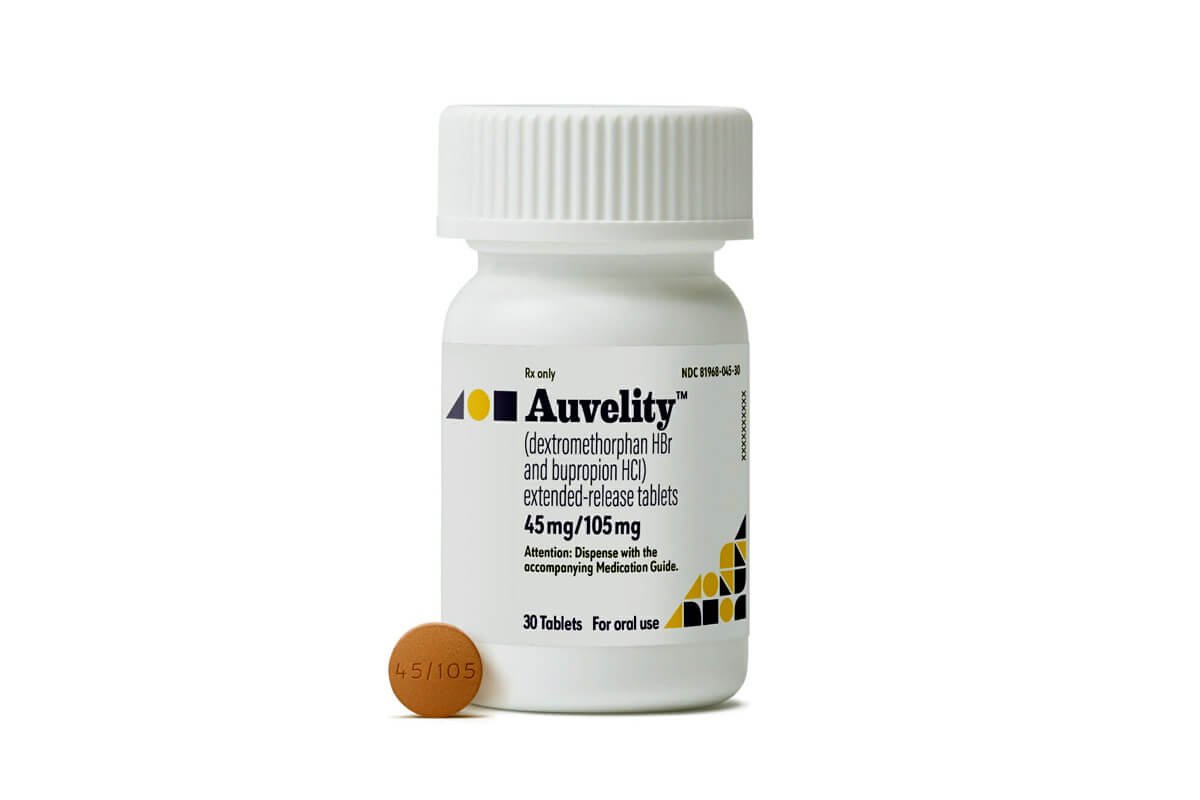
Auvelity is a prescription medication approved by the FDA for the treatment of major depressive disorder (MDD) in adults. It combines two active ingredients: dextromethorphan and bupropion.
Dextromethorphan affects NMDA receptors and glutamate activity in the brain, while bupropion helps increase dopamine and norepinephrine levels. This unique combination allows Auvelity to work differently from traditional antidepressants such as SSRIs or SNRIs.
One of the major reasons Auvelity gained attention is its potential for faster symptom improvement compared to many standard antidepressants. Some clinical studies showed improvements within one to two weeks, which is significantly faster than many conventional treatments.
What Is Wellbutrin (Bupropion)?
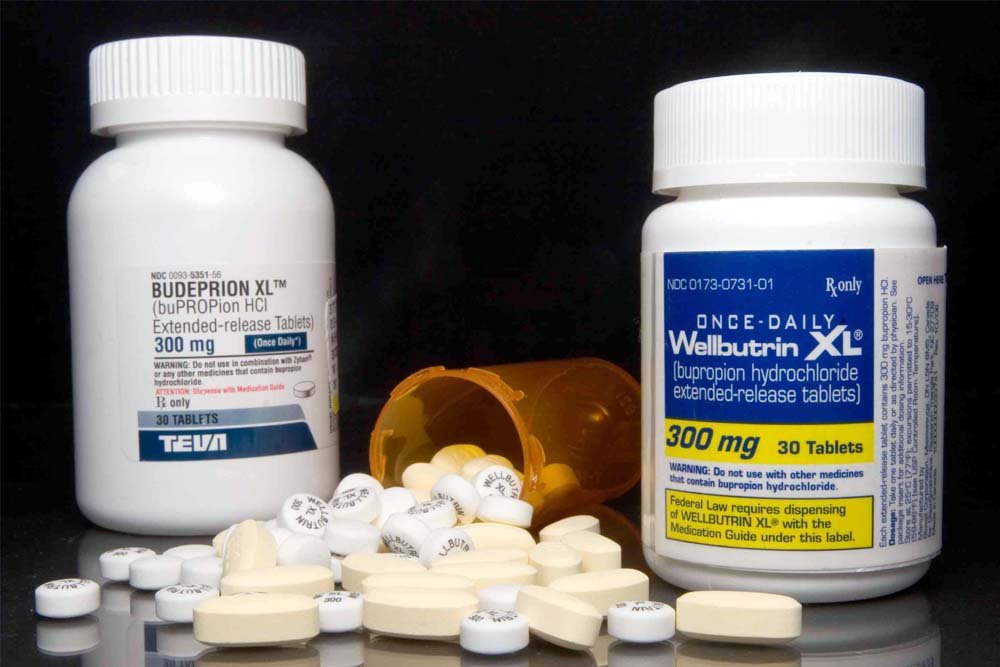
Wellbutrin is a widely prescribed antidepressant that contains the active ingredient bupropion. It belongs to a drug class called norepinephrine-dopamine reuptake inhibitors (NDRIs).
Unlike many antidepressants that target serotonin, Wellbutrin primarily affects dopamine and norepinephrine. This mechanism makes it a popular option for people who experience fatigue, low motivation, or concentration problems related to depression.
Wellbutrin is also commonly prescribed for smoking cessation under the brand name Zyban. In addition to depression treatment, some healthcare providers may use it off-label for conditions such as ADHD or seasonal affective disorder.
Main Difference Between Auvelity vs. Wellbutrin (Bupropion)
The biggest difference between Auvelity vs. Wellbutrin (Bupropion) is that Auvelity contains both dextromethorphan and bupropion, while Wellbutrin contains only bupropion.
Because Auvelity uses a dual-action approach involving glutamate signaling and dopamine regulation, it may provide faster antidepressant effects for some patients. Wellbutrin, on the other hand, focuses mainly on dopamine and norepinephrine activity.
Another key difference is FDA approval. Auvelity was specifically developed as a newer-generation antidepressant for major depressive disorder, whereas Wellbutrin has been used for many years across multiple mental health and smoking-related conditions.
How Auvelity Works
Auvelity works by combining the effects of dextromethorphan and bupropion.
Dextromethorphan acts on NMDA receptors in the brain and influences glutamate, which plays a role in mood regulation, emotional processing, and brain communication. Bupropion helps increase dopamine and norepinephrine levels while also slowing the breakdown of dextromethorphan in the body, allowing it to remain active longer.
This combined mechanism may help improve depressive symptoms more rapidly compared to older antidepressants that rely primarily on serotonin changes.
How Wellbutrin Works
Wellbutrin works by blocking the reuptake of dopamine and norepinephrine. These neurotransmitters are linked to mood, focus, energy, and motivation.
Because Wellbutrin does not significantly affect serotonin, it often causes fewer sexual side effects and less weight gain compared to many SSRIs. Many patients also report improved energy levels and mental clarity while using the medication.
However, Wellbutrin may not work as quickly as Auvelity for some individuals, especially during the early stages of treatment.
Uses of Auvelity vs. Wellbutrin (Bupropion)
Auvelity is primarily approved for treating major depressive disorder in adults. Its main purpose is to provide relief from depressive symptoms, including sadness, hopelessness, emotional numbness, and loss of interest in daily activities.
Wellbutrin is also commonly prescribed for depression, but it has several additional uses. Doctors may prescribe it for smoking cessation, seasonal affective disorder, and sometimes attention-related symptoms.
Patients struggling with low energy, fatigue, or concentration issues may respond particularly well to Wellbutrin because of its stimulating effects on dopamine and norepinephrine.
Which Medication Works Faster?
When comparing Auvelity vs. Wellbutrin (Bupropion), treatment speed is one of the most discussed topics.
Clinical research suggests that Auvelity may begin improving depressive symptoms within one to two weeks for some patients. This faster action is likely related to its glutamate-based mechanism involving NMDA receptor activity.
Wellbutrin generally takes several weeks before patients notice significant mood improvements. While some individuals feel increased energy earlier, full antidepressant effects may require four to six weeks.
For patients seeking faster symptom relief, Auvelity may offer an advantage under proper medical supervision.
Side Effects of Auvelity
Like all prescription medications, Auvelity can cause side effects. Common side effects may include dizziness, nausea, dry mouth, headache, sweating, anxiety, and sleep disturbances.
Some patients may also experience increased blood pressure or feelings of restlessness. Because Auvelity contains bupropion, it may increase seizure risk in certain individuals, especially those with seizure disorders or eating disorders.
Patients should always discuss their full medical history with a healthcare provider before starting treatment.
Side Effects of Wellbutrin (Bupropion)
Common side effects of Wellbutrin include insomnia, dry mouth, headaches, nausea, anxiety, increased heart rate, and appetite changes.
Unlike many antidepressants, Wellbutrin is less likely to cause sexual dysfunction or weight gain. In some cases, patients may even experience mild weight loss.
However, Wellbutrin also carries a seizure warning, especially at higher doses or in patients with certain risk factors. People with epilepsy, eating disorders, or alcohol withdrawal issues should use caution.
Weight Gain and Sexual Side Effects
One major reason many people compare Auvelity vs. Wellbutrin (Bupropion) is concern about weight gain and sexual dysfunction.
Traditional antidepressants such as SSRIs are often linked to decreased libido, emotional numbness, and weight changes. Wellbutrin has become popular partly because it usually causes fewer sexual side effects and may support weight neutrality or mild weight loss.
Auvelity may also have a lower risk of sexual side effects compared to serotonin-focused antidepressants, though individual experiences can vary.
Safety and Drug Interactions
Both medications require careful medical supervision because they can interact with other drugs and health conditions.
Auvelity may interact with antidepressants, antipsychotics, MAO inhibitors, and medications affecting serotonin or glutamate pathways. Combining certain medications can increase the risk of serotonin syndrome or neurological complications.
Wellbutrin can also interact with antidepressants, seizure medications, stimulants, and alcohol. Heavy alcohol use may increase seizure risk while taking bupropion.
Patients should never stop or change medications without consulting a licensed healthcare provider.

Which One Is Better for Depression?
There is no universal answer when comparing Auvelity vs. Wellbutrin (Bupropion). The best medication depends on individual symptoms, health history, treatment goals, and how the body responds to each medication.
Auvelity may be more appealing for patients seeking faster symptom relief or those who have not responded well to traditional antidepressants.
Wellbutrin may be ideal for people dealing with fatigue, low motivation, smoking addiction, or concerns about sexual side effects and weight gain.
Some patients may respond extremely well to one medication while others benefit more from the alternative. Mental health treatment is highly individualized, which is why professional evaluation remains essential.
Final Thoughts
Choosing between Auvelity vs. Wellbutrin (Bupropion) is an important decision that should always involve a qualified healthcare professional. Both medications offer unique benefits for depression treatment, but they work differently and may affect each person in different ways.
Auvelity represents a newer approach with potentially faster antidepressant effects through its combination of dextromethorphan and bupropion. Wellbutrin remains one of the most widely used antidepressants because of its long history, stimulating effects, and lower risk of sexual side effects. Understanding the differences in effectiveness, side effects, treatment speed, and safety can help patients feel more confident when discussing options with their doctor. As mental health treatment continues to evolve in 2026, personalized care remains the key to finding the right antidepressant solution.