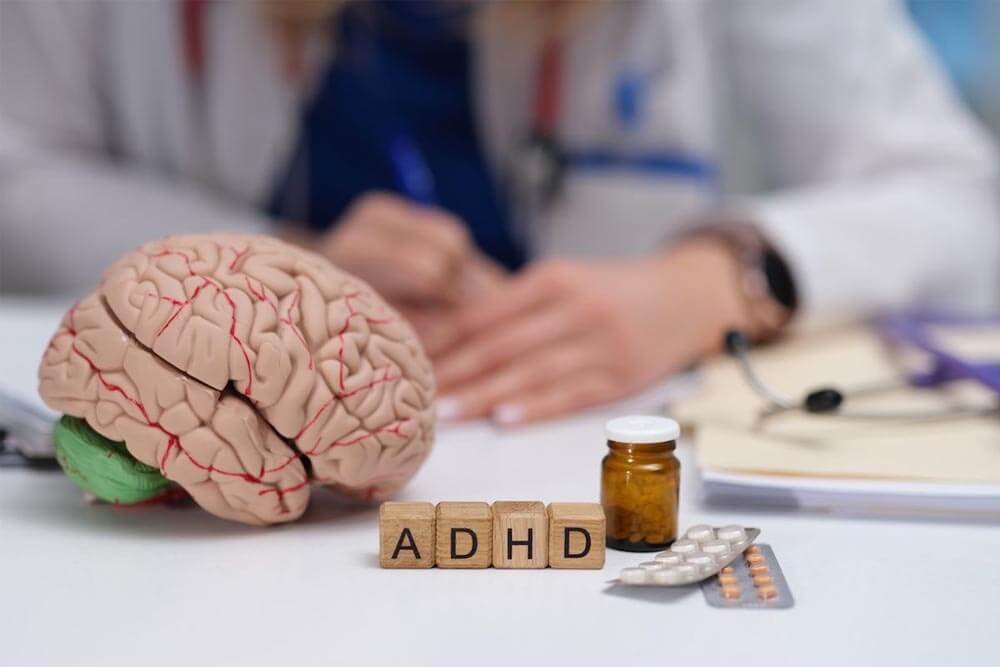
Every student has experienced a moment when the textbook blurs, the lecture fades into background noise, and the mind drifts somewhere far from the classroom. For most, this is occasional. For students living with Attention Deficit Hyperactivity Disorder — better known as ADHD — it is the daily reality. The inability to sustain concentration is not a matter of laziness or lack of intelligence. It is a neurological condition that affects millions of students worldwide, and it deserves to be addressed with the seriousness and care it warrants.
At Safe Health 247, we understand that navigating the world of ADHD treatment can feel overwhelming, especially when academic performance, mental health, and future goals all hang in the balance. This article walks you through what ADHD medication for students’ focus improvement actually means, how these medications work, what the research says, and what responsible use looks like in a student’s life.
Understanding ADHD in the Academic Environment
ADHD is a neurodevelopmental disorder characterized by persistent patterns of inattention, hyperactivity, and impulsivity that interfere with daily functioning. According to the American Psychiatric Association, ADHD affects approximately 5 to 8 percent of school-aged children, and a significant number carry the condition into college and beyond.
In a classroom setting, the consequences can be severe. Students with ADHD often struggle to complete assignments on time, maintain organized notes, follow multi-step instructions, and resist the constant pull of distraction. These challenges can damage self-esteem, strain relationships with teachers and peers, and lead to academic underachievement that has nothing to do with intellectual capability.
What makes ADHD particularly complex is that it is not a single experience. Some students are primarily inattentive — they appear quiet and distracted but are rarely disruptive. Others present with hyperactive-impulsive traits that make staying seated or waiting for a turn difficult. Many fall into the combined type, experiencing both patterns simultaneously. Each presentation requires a tailored approach to treatment.
How ADHD Medication Supports Focus in Students
The core mechanism behind most ADHD medications involves the regulation of neurotransmitters — specifically dopamine and norepinephrine — in the prefrontal cortex of the brain. This region governs executive functions such as planning, working memory, impulse control, and sustained attention. In individuals with ADHD, the signaling in this area tends to be less efficient, making focus a persistent struggle.
ADHD medications work by either stimulating the release of these neurotransmitters or preventing their reabsorption, thereby increasing their availability in the brain. The result, when the right medication is identified at the right dose, is a noticeable improvement in a student’s ability to concentrate, organize tasks, and follow through on academic work.
It is important to understand that medication does not make a student smarter or automatically improve grades. What it does is remove a significant neurological barrier, allowing the student to engage with their natural abilities more effectively. Think of it as adjusting the volume on a radio that was always set too low — the music was always there; now it can finally be heard clearly.
Types of ADHD Medications Commonly Used for Students
There are two broad categories of ADHD medications: stimulants and non-stimulants. Each has its place depending on the student’s medical history, age, lifestyle, and the specific nature of their ADHD symptoms.
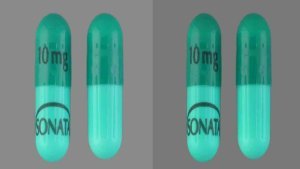
Stimulant Medications are the most widely studied and prescribed class for ADHD. They include methylphenidate-based medications such as Ritalin and Concerta, as well as amphetamine-based options such as Adderall and Vyvanse. These medications are known for producing relatively rapid improvements in focus and attention, often within the first few hours of use. Extended-release formulations have become increasingly popular among students because they provide coverage across a full school day without requiring a midday dose.
Non-Stimulant Medications such as Strattera (atomoxetine), Intuniv (guanfacine), and Kapvay (clonidine) work through different pathways and may take several weeks to reach full effectiveness. These are often considered when stimulants produce unwanted side effects or when there is a history of substance misuse. Non-stimulants can be a particularly thoughtful option for students managing anxiety alongside ADHD, as stimulants can sometimes heighten anxious feelings.
The choice between these options should always be made in close consultation with a qualified healthcare provider who understands the full picture of a student’s health and circumstances.
What the Research Says About ADHD Medication and Academic Performance
The scientific literature on ADHD medication and academic outcomes is substantial. Multiple large-scale studies have demonstrated that when properly prescribed and monitored, stimulant medications significantly improve attention span, task completion rates, and classroom behavior in students with ADHD.
A landmark study known as the Multimodal Treatment Study of Children with ADHD — often referred to as the MTA study — found that medication management was more effective than behavioral therapy alone in reducing core ADHD symptoms. However, the study also found that a combination of medication and behavioral support produced the most well-rounded improvements, particularly in social functioning and academic engagement.
More recent research has examined long-term outcomes for students who receive appropriate ADHD treatment during their school years. The findings consistently suggest that treated students are more likely to complete high school, pursue higher education, and maintain stable employment compared to those who go untreated. This is not a trivial finding — it speaks to the profound difference that timely, appropriate medical support can make in a young person’s life trajectory.
Responsible Use: What Students and Parents Need to Keep in Mind
Medication is not a standalone solution, and responsible use is central to positive outcomes. Several principles should guide how ADHD medication is incorporated into a student’s life.
First, diagnosis must come before treatment. ADHD cannot be self-diagnosed or assumed based on a few weeks of poor concentration. A comprehensive evaluation by a licensed clinician — typically including clinical interviews, rating scales, and sometimes cognitive testing — is the appropriate starting point. At Safe Health 247, we always emphasize that access to proper evaluation is the foundation of safe, effective care.
Second, ongoing monitoring matters. ADHD medications require regular follow-up appointments to assess effectiveness, side effects, dosage adjustments, and any changes in the student’s needs as they grow. This is not a prescription you fill once and forget.
Third, medication works best alongside other supports. Academic accommodations, organizational coaching, therapy, sleep hygiene, and physical activity all contribute meaningfully to a student’s ability to function well. Medication is a powerful tool, but it is most effective when it is part of a broader support structure.
Finally, the misuse of ADHD medication — taking medication not prescribed to you, or using it for performance enhancement without a diagnosis — carries real risks. These include cardiovascular strain, psychological dependence, and legal consequences. Students should understand that what helps someone with ADHD achieve neurological balance can have very different and harmful effects in a brain that does not have the condition.

The Role of Mental Health in ADHD Treatment for Students
ADHD rarely travels alone. Many students living with ADHD also experience anxiety, depression, learning disabilities, or sleep disorders. Treating ADHD without addressing these co-occurring conditions can limit the overall effectiveness of any intervention.
Cognitive Behavioral Therapy, or CBT, has shown particular promise for students with ADHD in addressing negative thought patterns, procrastination, and low self-worth that often develop after years of academic struggle. When combined with appropriate medication, therapy can help students rebuild confidence and develop the practical skills that medication alone cannot teach.
Parents and educators also play a critical role. A student who receives consistent support, clear structure, and genuine understanding at home and school is far more likely to thrive than one who is simply medicated without any change in their environment or mindset. At Safe Health 247, we believe in treating the whole person — not just the symptom.
Final Thoughts
ADHD is not a character flaw, a parenting failure, or a modern-day excuse for academic struggles. It is a real, documented, and treatable neurological condition that affects millions of students who are trying their very best to succeed in systems that were not always designed with their brains in mind.
ADHD medication for students’ focus improvement, when properly diagnosed, thoughtfully prescribed, and responsibly managed, can be genuinely transformative. It can mean the difference between a student who endures school and one who flourishes in it. Between a child who wonders what is wrong with them and a young adult who finally understands how to work with their mind rather than against it.
At Safe Health 247, our commitment is to provide accurate, compassionate, and medically responsible guidance to students, families, and caregivers navigating these decisions. The journey toward better focus and academic well-being is not one you have to take alone — and it begins with the right information, the right support, and the right care.