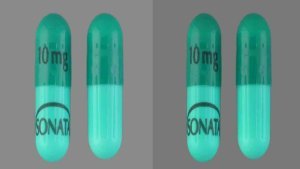
Pain is an unavoidable part of the human experience. Whether it’s acute or chronic, localized or widespread, the impact of pain can be both physically and emotionally debilitating. Fortunately, with modern medical advancements, pain control drugs have become an essential tool in managing different kinds of discomfort. These medications are designed to provide relief, improve quality of life, and restore functionality to individuals who may otherwise struggle with daily activities.
Understanding Pain: Why It Happens
Before delving into pain control drugs, it’s crucial to understand the nature of pain itself. Pain is the body’s alarm system. It signals when something is wrong, urging you to take action. It can arise from injuries, surgeries, diseases, or even unknown sources. Pain can be acute, meaning it lasts for a short period and often resolves as the body heals, or chronic, persisting for months or even years.
Chronic pain is more complex. It might be the result of nerve damage, inflammation, or diseases like arthritis or fibromyalgia. The goal of pain control drugs is not just to mask this pain but to treat its source, reduce inflammation, or interrupt nerve signals that cause discomfort.

Types of Pain Control Drugs
There is no one-size-fits-all approach when it comes to managing pain. Physicians tailor treatment plans based on the patient’s medical history, pain severity, and the nature of the condition. Here are the main categories of pain control drugs used today:
1. Nonsteroidal Anti-Inflammatory Drugs (NSAIDs)
These are among the most commonly used over-the-counter pain relievers. They work by blocking the production of prostaglandins—chemicals in the body that promote inflammation, pain, and fever.
Examples:
- Ibuprofen
- Naproxen
- Aspirin
Uses:
- Headaches
- Menstrual cramps
- Arthritis
- Muscle strains
Benefits:
- Anti-inflammatory properties
- Widely available
- Few side effects when used in short-term
2. Acetaminophen (Paracetamol)
Unlike NSAIDs, acetaminophen does not reduce inflammation. However, it is effective in reducing fever and relieving mild to moderate pain. It works primarily in the brain by influencing pain perception.
Uses:
- Headaches
- Minor injuries
- Osteoarthritis
- Post-surgical pain
Advantages:
- Fewer gastrointestinal side effects
- Suitable for people allergic to NSAIDs
However, excessive use can damage the liver, especially when combined with alcohol or taken in high doses.
3. Opioids
Opioids are powerful pain control drugs used to treat moderate to severe pain, especially in cases of surgery, trauma, or cancer. They bind to opioid receptors in the brain, spinal cord, and other parts of the body to reduce the perception of pain.
Examples:
- Morphine
- Oxycodone
- Hydrocodone
- Fentanyl
Uses:
- Post-operative pain
- Cancer-related pain
- Severe injury or trauma
Risks:
- High potential for dependence and addiction
- Tolerance development over time
- Respiratory depression in high doses
Due to these risks, opioids are usually prescribed only when necessary and under strict medical supervision.
4. Antidepressants and Anticonvulsants
Though originally designed for other conditions, certain antidepressants and anticonvulsants have proven effective in treating specific kinds of pain, particularly neuropathic pain.
Examples:
- Amitriptyline (antidepressant)
- Gabapentin and Pregabalin (anticonvulsants)
Uses:
- Diabetic neuropathy
- Fibromyalgia
- Shingles
- Spinal cord injury
Benefits:
- Help with both mood and pain
- Often used in chronic pain conditions
5. Topical Analgesics
These are creams, gels, or patches applied directly to the skin over painful areas. They contain ingredients that can numb pain, reduce inflammation, or produce heat/cold sensations to distract the brain from pain signals.
Common Ingredients:
- Capsaicin
- Lidocaine
- Diclofenac
Applications:
- Localized muscle pain
- Joint inflammation
- Nerve pain
6. Muscle Relaxants
While not traditional painkillers, muscle relaxants help relieve muscle spasms that often contribute to pain. They work on the central nervous system to ease tight or rigid muscles.
Examples:
- Cyclobenzaprine
- Methocarbamol
- Baclofen
Used For:
- Back pain
- Neck pain
- Muscle injuries

Choosing the Right Pain Control Drug
Selecting the appropriate medication depends on a variety of factors, including the type, duration, and intensity of the pain, as well as the patient’s health history. For short-term pain, over-the-counter medications may suffice. In contrast, chronic or severe pain often requires prescription-strength solutions, sometimes even a multimodal approach combining different medications for synergistic effects.
Doctors also consider side effects, potential drug interactions, and the patient’s tolerance level before making a recommendation. Personalized medicine plays a big role in pain management, as no two individuals respond to pain or drugs in the same way.
The Role of Pain Control Drugs in Chronic Conditions
Chronic pain, such as that caused by arthritis, back problems, or nerve damage, can be especially difficult to manage. In such cases, long-term use of pain control drugs must be monitored carefully to avoid side effects or dependence.
Often, doctors combine medication with physical therapy, cognitive behavioral therapy, acupuncture, or lifestyle modifications. In cases of nerve-related pain, anticonvulsants and antidepressants tend to be more effective than traditional analgesics.
Some individuals benefit from extended-release opioid formulations, though these are used with caution due to the opioid crisis and growing concerns over dependency.
Side Effects and Risks of Pain Control Drugs
While these medications are incredibly beneficial, they are not without risks. Side effects vary depending on the type of drug, dosage, and duration of use. Common side effects include:
- Nausea
- Drowsiness
- Constipation
- Liver or kidney damage
- Gastrointestinal bleeding
- Dependency or addiction (especially opioids)
That’s why medical supervision is essential, particularly when using stronger pain control drugs or managing chronic conditions. Regular monitoring ensures that the treatment remains both safe and effective over time.
Pain Control in Special Populations
Certain populations require extra care when prescribing pain medications:
1. Elderly Patients
Older adults may have impaired kidney or liver function, making them more vulnerable to side effects. Doctors often opt for lower doses or topical medications to minimize risks.
2. Children
Pediatric pain management is complex. Dosages are carefully calculated based on weight, and only specific drugs are approved for use in children.
3. Pregnant Women
Pain control during pregnancy requires cautious selection to avoid harm to the fetus. Acetaminophen is generally considered safe, but stronger medications are typically avoided unless necessary.
Innovations and Alternatives to Traditional Pain Control Drugs
As research advances, so do the options for pain relief. There’s increasing interest in non-pharmacological approaches and innovative technologies. Some promising developments include:
- Medical cannabis: In some states and countries, it’s approved for managing chronic pain, especially when other treatments fail.
- Neuromodulation devices: Implanted devices that block pain signals from reaching the brain.
- Targeted drug delivery systems: Like pain pumps that administer medication directly to the spinal cord.
These alternatives can reduce reliance on oral drugs, minimizing side effects and improving targeted relief.
Tips for Safe Use of Pain Control Drugs
To make the most out of these medications while minimizing risks:
- Follow prescribed dosages strictly.
- Do not mix medications without consulting your doctor.
- Avoid alcohol while on pain medications, especially opioids or acetaminophen.
- Keep track of side effects and report them to your healthcare provider.
- Dispose of unused medications safely to prevent misuse.
The Importance of a Holistic Approach
While pain control drugs play a vital role, effective pain management often requires a holistic strategy. This includes physical therapy, psychological support, lifestyle changes, and patient education. Chronic pain, in particular, can affect emotional well-being, making it essential to treat the person, not just the symptom.
Open communication between patients and healthcare providers is key. It ensures that treatment plans evolve as the patient’s needs change, leading to better long-term outcomes.
Final Thought
Pain control drugs have transformed the way we manage discomfort, offering hope and relief to millions. From mild aches to severe chronic conditions, the right medication can restore functionality, improve mood, and enhance quality of life. However, their use must always be balanced with caution, awareness, and comprehensive care. When used wisely and in conjunction with other therapeutic methods, pain control drugs are a powerful ally in the journey toward healing and comfort.