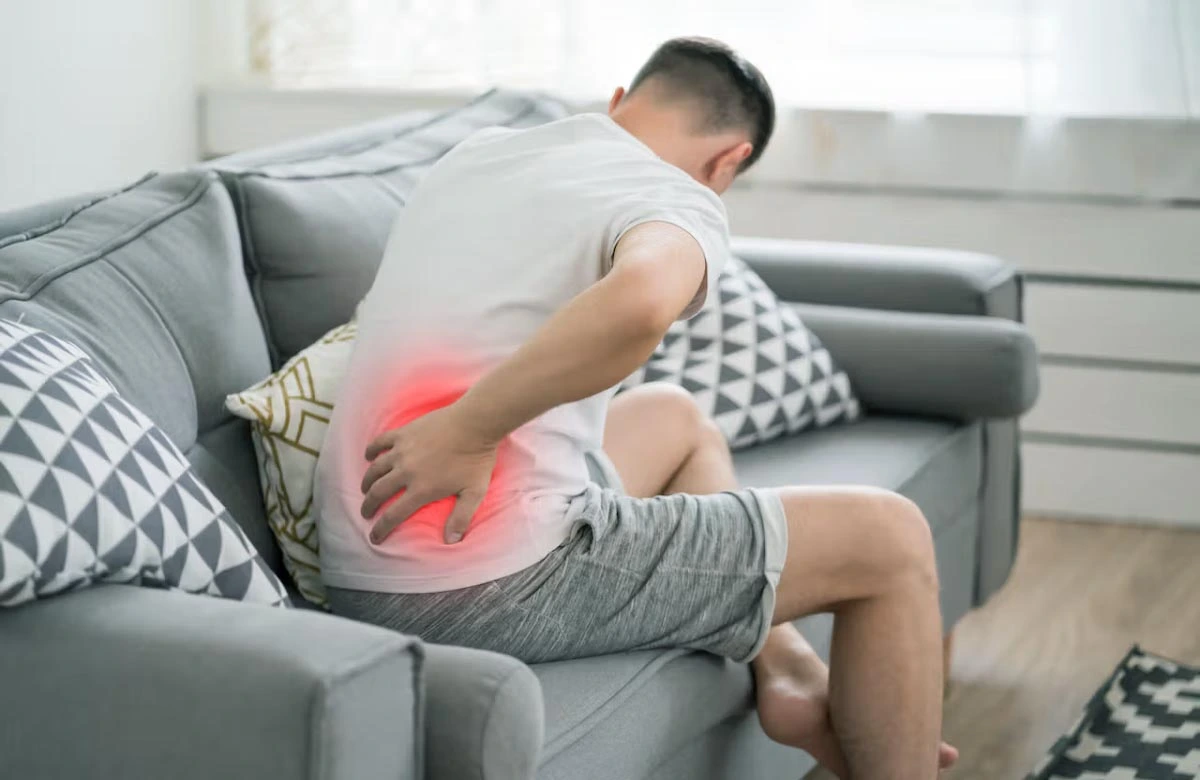
Pain is an unwelcome companion in life, a symptom that often demands urgent attention. Whether it stems from an injury, a chronic condition, or an unknown cause, pain can be debilitating. Fortunately, medical interventions for pain have advanced dramatically, offering relief, hope, and restored quality of life. This article explores the wide array of modern treatments available, detailing their applications, benefits, and considerations to help you understand your options.
Understanding Pain: The Foundation for Treatment
Before diving into treatments, it’s essential to understand what pain is. The pain can be acute, due to sudden injury or surgery, or persists in chronic months or years. Recognizing the type and cause of pain allows healthcare providers to tailor medical interventions for pain effectively.
Common Medical Interventions for Pain
Medical science offers an impressive toolbox for pain management. These interventions range from basic medicines to state processes.
1. Pharmacological Treatments
Pharmacology forms the first line of defense in many pain management plans. Within this realm, various classes of drugs address different types of pain.
a. Nonsteroidal Anti-Inflammatory Drugs (NSAIDs)
NSAIDs, such as ibuprofen and naproxen, reduce inflammation and are very effective for acute pain, arthritis and injuries.
b. Opioids
Opioids, such as morphine and oxycodone, are powerful pain relievers reserved for severe cases. However, due to addiction risks, they are prescribed cautiously.
c. Antidepressants and Anticonvulsants
Interestingly, medications like amitriptyline (an antidepressant) and gabapentin (an anticonvulsant) have proven effective for nerve pain, broadening the arsenal of medical interventions for pain.
2. Physical Therapy
Physical therapy serves as a non-invasive yet potent tool against pain. Through exercises, stretches, and manual techniques, physical therapists help restore function, build strength, and alleviate discomfort.
3. Injections and Nerve Blocks
In some cases, targeted injections deliver relief right where it’s needed. Steroid injections reduce inflammation in joints, while nerve blocks interrupt pain signals traveling to the brain.

Advanced Medical Interventions for Pain
When standard treatments fall short, more advanced techniques come into play, often providing profound relief.
1. Radiofrequency Ablation
Radiofrequency ablation uses heat generated by radio waves to disrupt nerve function temporarily.
2. Spinal Cord Stimulation
In spinal cord stimulation, a small unit that is implanted under the skin sends electrical pulses into the spinal cord and masks pain signals. This revolutionary medicine changes life, providing a lighthouse of hope for people with infallible pain.
3. Regenerative Medicine
Emerging fields like regenerative medicine use the body’s healing power to address pain. Treatments such as platelet-rich plasma (PRP) and stem cell therapy show promise, especially for joint and tendon issues.
Surgical Options for Pain Management
In extreme cases, surgery may be necessary to cure pain -the underlying problems. While more invasive, these procedures can offer long-term solutions.
1. Joint Replacement Surgery
Conditions like osteoarthritis can devastate joints. Joint replacement surgeries, particularly of the hip and knee, can eliminate the source of pain and restore mobility.
2. Spine Surgery
For herniated discs or spinal stenosis, surgical interventions like laminectomy or spinal fusion might be the best course, especially when nerve compression leads to excruciating pain.
Complementary and Integrative Approaches
Medical interventions for pain don’t exist in a vacuum. Complementary therapies can enhance medical treatments, offering holistic relief.
1. Acupuncture
An ancient practice, acupuncture stimulates specific points in the body, helping to relieve various forms of pain, from migraines to lower back issues.
2. Chiropractic Care
Through spinal adjustments and manipulations, chiropractic treatments aim to realign the body, promoting pain relief and overall wellness.
3. Cognitive Behavioral Therapy (CBT)
Pain is not just physical; it affects the mind too. CBT teaches coping strategies, helping patients manage their pain better and improve their quality of life.
Choosing the Right Intervention: A Patient-Centered Approach
Choosing appropriate medical intervention for pain is not a size passenger. Several factors must be considered, including:
- Type and severity of pain: Different causes require different treatments.
- Patient’s medical history: Some medications or procedures may not be suitable for certain conditions.
- Lifestyle and personal preferences: Some individuals may prefer less invasive treatments.
Doctors often adopt a multimodal approach, combining various therapies to address pain from multiple angles.
Transitioning Towards a Better Future
As research continues, new medical interventions for pain emerge, offering better outcomes with fewer side effects. Innovations like gene therapy and bioelectronic medicine hint at a future where chronic pain could be treated at the molecular level, potentially curing what was once merely managed.
Managing Expectations: Pain Relief vs. Pain Elimination
It’s crucial to set realistic expectations. While many interventions significantly reduce pain, complete elimination isn’t always possible, especially in chronic cases. However, even partial relief can lead to substantial improvements in mood, mobility, and overall quality of life.
Safety and Risks of Medical Interventions
While medical interventions for pain offer numerous benefits, they are not without risks. Medication side effects, surgical complications, and the potential for treatment failure must be weighed carefully. Open communication with health professionals optimizes informed decisions and adapts the results.
Cost Considerations
Another important factor is the financial aspect. Some treatments, particularly newer technologies and surgeries, can be expensive. Patients should discuss financial implications with their healthcare teams early on.
Pain Management Teams: A Collaborative Approach
Modern pain management often involves a team of specialists, including:
- Pain management physicians
- Physical therapists
- Psychologists
- Surgeons
- Pharmacists
This collaborative approach ensures comprehensive care, addressing the physical, emotional, and psychological aspects of pain.
Patient Advocacy: Being Your Champion
Finally, patients must advocate for themselves. Understanding available options, asking questions, and actively participating in treatment decisions lead to better outcomes. Knowledge truly is a powerhouse, especially when battling chronic pain.
Final Thought
Pain may be a universal human experience, but suffering need not be. Thanks to continuous advancements, medical interventions for pain now offer more effective, safer, and more personalized options than ever before. From medications and physical therapies to cutting-edge procedures and integrative treatments, the path to relief is paved with possibilities. While the journey might be complex, with the right interventions and support, reclaiming comfort, mobility, and joy is within reach.