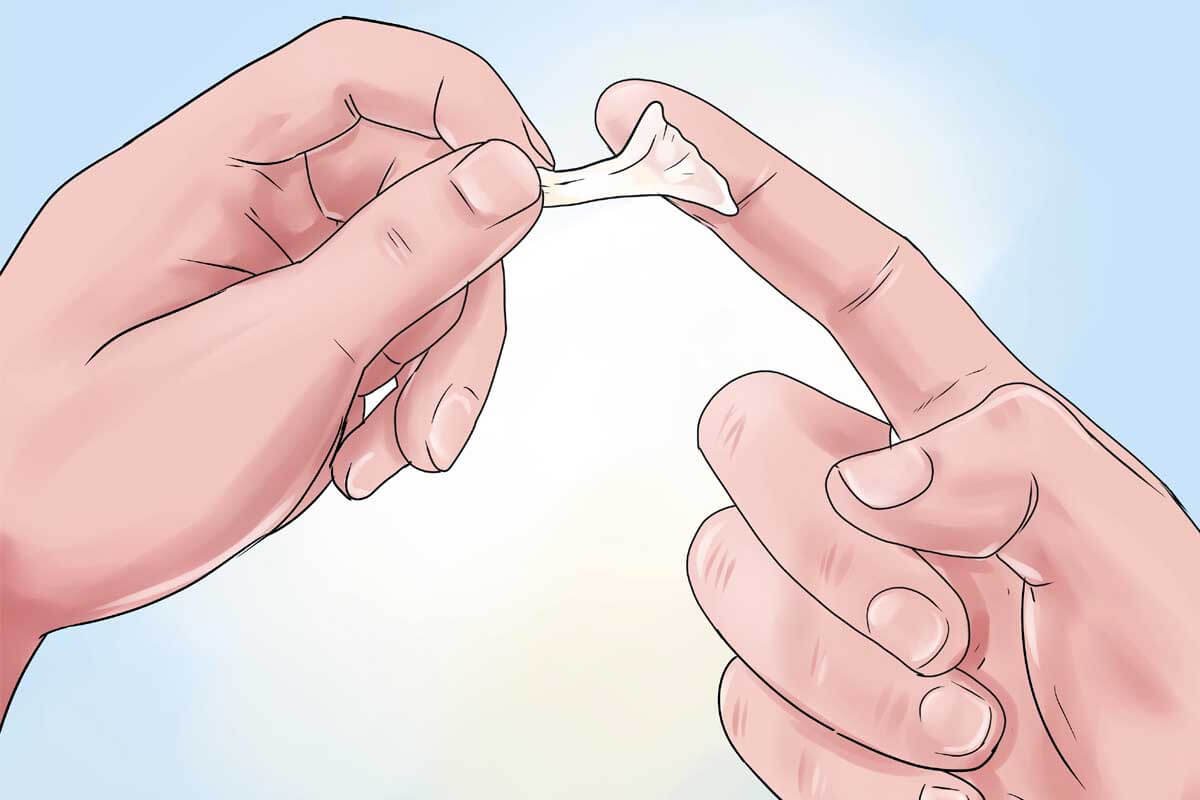
Splinters are one of those tiny annoyances that can turn into a real problem if you do not handle them the right way. Whether you picked one up while gardening, walking barefoot on an old deck, or handling rough wood, getting a splinter out safely should be your top priority before it leads to pain, swelling, or even infection.
At Safe Health 247, we believe that everyday health starts with knowing how to manage the small things. And yes, something as minor as a splinter counts. The good news is that most splinters can be removed at home without a trip to the doctor, as long as you follow the right steps and use the proper technique.
In this guide, we are going to walk you through nine practical and effective tips for getting a splinter out safely so you can take care of it quickly, cleanly, and with as little discomfort as possible.
Why You Should Never Ignore a Splinter
Before we get into the removal tips, let us talk about why leaving a splinter alone is never a smart idea. A splinter is essentially a foreign object lodged under your skin, and your body recognizes it as something that does not belong. Over time, the area around the splinter can become red, swollen, and tender. In some cases, bacteria from the splinter or the surrounding environment can cause an infection that may require medical treatment.
Wooden splinters are especially risky because wood is porous and can harbor bacteria and fungi. Metal or glass splinters carry their own risks as well, particularly if they break into smaller fragments beneath the skin. The longer you wait, the harder the removal process becomes, so it is always best to act quickly.
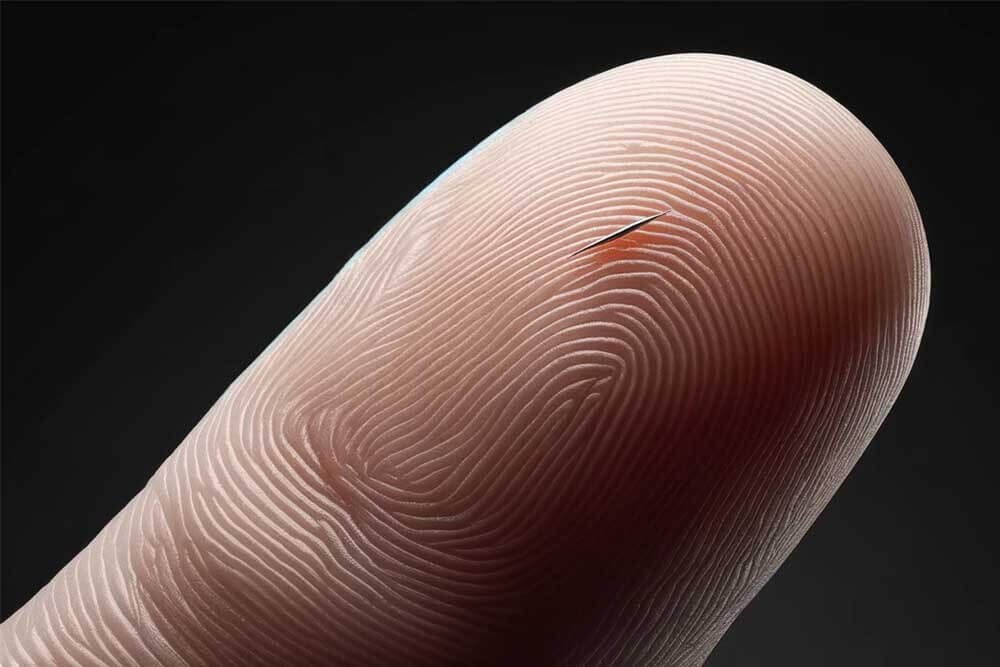
Tip 1: Wash Your Hands and the Affected Area First
This might sound obvious, but it is the most important step that people often skip in a hurry. Before you touch the splinter or reach for any tools, wash your hands thoroughly with soap and warm water. Then gently clean the skin around the splinter using the same method. This simple act reduces the chance of pushing bacteria deeper into the wound during the removal process. Pat the area dry with a clean towel before you begin.
Tip 2: Use a Sterilized Needle for Shallow Splinters
If the splinter is sitting just beneath the surface of the skin, a sterilized needle can help you gently expose the tip. To sterilize the needle, hold its tip over a flame for a few seconds and then wipe it with rubbing alcohol. Carefully use the needle to break the skin directly above the splinter and lift it just enough so that you can grab it with tweezers. Avoid digging around aggressively, as this can cause unnecessary tissue damage and increase the risk of infection.
Tip 3: Tweezers Are Your Best Friend
Once the end of the splinter is visible or slightly exposed, a pair of fine-tipped tweezers is the most reliable tool for the job. Sterilize the tweezers with rubbing alcohol before use. Grip the splinter as close to the skin as possible and pull it out slowly in the same direction it entered. Pulling at an angle or yanking too quickly can cause the splinter to break, leaving fragments behind that are even harder to remove.
Tip 4: Try the Baking Soda Method for Deep Splinters
Sometimes a splinter sits too deep beneath the skin to reach with a needle or tweezers. In these situations, baking soda can work surprisingly well. Make a paste by mixing a tablespoon of baking soda with just enough water to form a thick consistency. Apply the paste over the splinter, cover it with a bandage, and leave it on for several hours or overnight. The baking soda encourages the skin to swell slightly, which can push the splinter closer to the surface where it becomes easier to extract.
Tip 5: Use Adhesive Tape for Tiny Surface Splinters
Not every splinter requires tweezers or needles. If you are dealing with a very small splinter that is barely poking out of the skin, a piece of strong adhesive tape can do the trick. Press the tape firmly over the splinter, wait a moment, and then peel it off in the direction the splinter entered. This method works particularly well for thin, hair-like splinters from plants or fiberglass that are difficult to grip with tweezers.
Tip 6: Soak the Area in Warm Water
Soaking the affected area in warm water for about ten to fifteen minutes can soften the skin and make the splinter easier to remove. This is especially helpful when the splinter is located on a finger, toe, or the sole of your foot. You can add a small amount of Epsom salt to the water for additional soothing and anti-inflammatory benefits. After soaking, the softened skin often allows the splinter to slide out more easily with gentle pressure or light tweezer work.
Tip 7: Apply a Thin Layer of Glue
This technique may surprise you, but it has been a popular home remedy for years. Apply a thin layer of regular white craft glue over the splinter and the surrounding skin. Let it dry completely until it forms a solid film, then peel the dried glue away. As the glue lifts off, it can pull the splinter out along with it. This method tends to work best on shallow splinters and is a great option if you are helping a child who is nervous about needles and tweezers.
Tip 8: Use Hydrogen Peroxide to Help With Stubborn Splinters
Hydrogen peroxide is another useful tool in your splinter removal kit. Pouring a small amount of hydrogen peroxide over the splinter can cause the area to bubble slightly, which sometimes works the splinter closer to the surface. While it is not a guaranteed method on its own, combining it with the soaking or baking soda technique can improve your chances of getting the splinter out without too much poking and prodding.
Tip 9: Apply an Antibiotic Ointment After Removal
Getting the splinter out is only half the battle. Once the splinter has been successfully removed, you need to take care of the wound to prevent infection. Clean the area one more time with soap and water, then apply a thin layer of antibiotic ointment such as Neosporin. Cover the spot with a small adhesive bandage and keep it clean and dry for the next day or two. Watch for any signs of infection such as increasing redness, warmth, swelling, or pus, and consult a healthcare professional if you notice any of these symptoms.
When Should You See a Doctor?
Most splinters can be handled at home without any issues, but there are certain situations where professional medical help is the smarter choice. You should see a doctor if the splinter is very large or deeply embedded, if it is located near or under a fingernail, if the area shows signs of infection even after removal, or if you are unable to remove the splinter after multiple attempts. Additionally, if the splinter is made of glass or metal and you suspect fragments may still be trapped beneath the skin, a doctor can use specialized tools or imaging to ensure complete removal.
People with diabetes or compromised immune systems should also be extra cautious with splinters, as their bodies may have a harder time fighting off infections from even minor wounds.

How to Prevent Splinters in the First Place
Prevention is always better than treatment. Wearing gloves while handling rough wood, gardening, or doing DIY projects around the house is one of the easiest ways to avoid splinters entirely. If you have wooden decks, railings, or furniture, sanding down rough spots and applying a sealant can reduce the risk significantly. Wearing shoes or slippers instead of walking barefoot on wooden surfaces is another simple habit that goes a long way.
Final Thoughts
Getting a splinter out safely does not have to be a stressful ordeal. With the right preparation, clean tools, and a bit of patience, most splinters can be removed at home in just a few minutes. The key is to act quickly, keep everything clean, and avoid digging around in the skin more than necessary. And once the splinter is out, do not forget to care for the wound properly to keep infection at bay.
At Safe Health 247, we are committed to helping you navigate everyday health concerns with practical, trustworthy advice. A splinter may be small, but handling it correctly makes all the difference between a quick fix and an avoidable trip to the doctor. Stay safe, stay prepared, and take care of the little things before they become big ones.