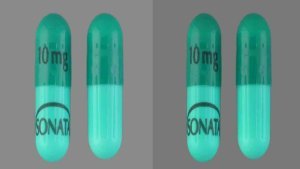
Pet owners often worry when their furry companions fall ill, especially due to infections. Fortunately, modern veterinary medicine offers effective antibiotics like Clavacillin. This powerful medication plays a significant role in treating bacterial infections in dogs and cats. If you’re a responsible pet parent or a professional in animal care, understanding drug — how it works, its proper use, and safety — is essential.
This article will guide everything you need to know about Clavacillin, from its medical role and administration to benefits, potential side effects, and storage tips. At SafeHealth 247, we believe in informed pet care through trusted information.
What Is Clavacillin?
Clavacillin is a broad-spectrum antibiotic used in veterinary medicine to treat a wide range of bacterial infections. It’s a combination drug made of amoxicillin trihydrate and clavulanate potassium, which work together to combat bacteria more effectively.
Amoxicillin is a penicillin-type antibiotic, while clavulanate helps prevent bacterial resistance. This makes medication highly efficient against bacteria that produce beta-lactamase enzymes, which usually inactivate many antibiotics. Its formulation is specially designed for use in dogs and cats and is available in chewable tablets, making it easier to administer.
Key Uses of Cloxacillin
Cloxacillin is used to treat several types of infections in pets, including:
- Skin infections (such as wounds, abscesses, and cellulitis)
- Respiratory tract infections
- Urinary tract infections
- Periodontal (dental) infections
- Soft tissue infections
The drug works by destroying the cell walls of bacteria, thereby stopping their growth. Its dual-action formula makes it a first-choice treatment for mixed or resistant bacterial infections.

How Does Cloxacillin Work?
Clavacilli combines the power of two active ingredients:
- Amoxicillin: Destroys the bacteria’s cell walls, leading to their death.
- Clavulanate potassium: Prevents bacteria from producing enzymes that could resist the effects of amoxicillin.
This synergistic action increases the efficacy of the treatment and reduces the chance of bacterial resistance, which is a growing concern in both human and animal healthcare.
Dosage and Administration Guidelines
Clavacillin must be given strictly under the guidance of a licensed veterinarian. The appropriate dose is determined by your pet’s weight, the seriousness of the infection, and the specific bacteria causing it.
General Dosage (For Dogs and Cats):
- Standard Dose: 6.25 mg per pound of body weight
- Frequency: Every 12 hours
- Duration: 5 to 7 days (or as directed)
Chewable tablets come in various strengths (e.g., 62.5 mg, 125 mg, 250 mg), so it’s important to follow your vet’s dosage instructions carefully.
Important Tips:
- Administer with food to reduce stomach upset
- Make sure to finish the entire prescribed course, even if your pet seems to get better before it’s completed
- Do not skip or double doses
Benefits of Using This Drug
The benefits of beyond just treating bacterial infections. Here’s why it’s a preferred option in veterinary practices:
- Broad-spectrum efficacy against various bacterial strains
- Prevention of antibiotic resistance through the clavulanate component
- Palatable chewable form, making it pet-friendly
- Fast-acting results often observed within 48-72 hours
- Safe for prolonged treatment (under veterinary supervision)
Pet owners have consistently reported noticeable improvement in their pets’ health after starting Clavacillin therapy, which makes it a trusted name in antibiotic treatments.
Potential Side Effects
Like any antibiotic, Clavacillin can cause side effects. Most side effects are mild and short-lived, but a few might need medical care.
Common Side Effects:
- Vomiting
- Diarrhea
- Loss of appetite
Rare but Serious Side Effects:
- Allergic reactions (swelling, difficulty breathing)
- Skin rashes or itching
- Seizures (very rare)
If you notice any of these symptoms, reach out to your veterinarian right away. Do not discontinue the medication without professional advice, as abrupt stops can worsen bacterial resistance.
Precautions and Warnings
- Have a known allergy to penicillin or other beta-lactam antibiotics
- Are pregnant or lactating
- Have kidney or liver dysfunction
- Are on other medications that might interact
Storage and Handling Instructions
Proper storage ensures the medication’s efficacy and safety.
- Store at room temperature (68°F–77°F)
- Keep it in the original container
- Avoid moisture and heat
- Keep away from children and other animals
Never use expired Clavacillin, as its effectiveness and safety can’t be guaranteed.
Where to Buy Clavacillin
SafeHealth 247 offers trusted access to Clavacillin and other pet medications through certified sources. Always purchase through reputable platforms to ensure you’re receiving authentic and safe products.
You may be required to provide a valid veterinary prescription, as Clavacillin is a prescription-only drug in most regions. It’s advised to review your local veterinary pharmacy regulations before making a purchase.
Comparing Clavacillin with Other Antibiotics
When compared to other commonly used antibiotics like cephalexin or enrofloxacin, Clavacillin offers a unique advantage due to its combination formula. It is more effective against beta-lactamase-producing bacteria, giving it a wider spectrum of activity.
It’s also well-tolerated and easy to administer, thanks to its palatable formulation.
Final Thoughts
Clavacillin is a cornerstone antibiotic in veterinary medicine, offering powerful defense against common and complex bacterial infections in pets. Its combined formula of amoxicillin and clavulanate potassium makes it both effective and reliable, especially in the face of antibiotic resistance. When administered responsibly and under veterinary guidance, Clavacillin can significantly improve your pet’s health and comfort.At SafeHealth 247, we encourage pet owners to stay informed and always seek professional guidance before using any medication. A drug is not just another pill — it’s a targeted tool that, when used wisely, can help your pets thrive again.