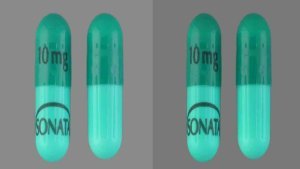
Caring for a dog goes far beyond feeding and playtime. Just like humans, our four-legged companions can fall ill and need proper medical treatment. Among the many veterinary medications available, Clavacillin for dogs stands out as a trusted antibiotic commonly prescribed for treating a range of bacterial infections. If you’re a pet owner seeking information about this drug, understanding how it works, when to use it, and what precautions to follow is essential.
What is Clavacillin?
Clavacillin is a veterinary antibiotic composed of two active ingredients: amoxicillin and clavulanate potassium. Together, these compounds work to treat various bacterial infections in dogs. Amoxicillin is a penicillin-type antibiotic that kills bacteria, while clavulanate potassium inhibits the enzymes that may otherwise protect bacteria from antibiotics.
Clavacillin is manufactured specifically for animals and is not the same as the human version of amoxicillin-clavulanate, which may contain ingredients not safe for pets. Always consult a vet before using any medication on your dog, even if it seems similar to what humans take.
Why Use Clavacillin for Dogs?
Veterinarians commonly prescribe Clavacillin for dogs when they suffer from infections caused by susceptible strains of bacteria. These may include:
- Skin infections (abscesses, wounds, and cellulitis)
- Urinary tract infections (UTIs)
- Respiratory tract infections
- Periodontal (gum) disease
- Soft tissue infections
The antibiotic works by targeting the bacteria’s cell walls, effectively killing them and stopping the spread of infection. By combining amoxicillin with clavulanic acid, Clavacillin offers a broader spectrum of activity than amoxicillin alone, making it effective even against bacteria that produce beta-lactamase enzymes.

Proper Dosage of Clavacillin for Dogs
The dosage of Cloxacillin for dogs depends on several factors, including the dog’s weight, the type and severity of the infection, and overall health. It’s crucial to follow your veterinarian’s instructions precisely.
Typically, Clavacillin is administered orally twice a day. The dosage is usually calculated as 6.25 mg per pound (13.75 mg/kg) of body weight, every 12 hours. For example, a 20-pound dog would require approximately 125 mg of Clavacillin every 12 hours.
Clavacillin is available in tablet and liquid forms, and it’s essential to complete the entire course of the medication even if your pet starts to show improvement early.
How to Administer Clavacillin to Your Dog
Clavacillin tablets can be given directly or hidden in food if your dog resists taking pills. For liquid suspension, shake the bottle well before measuring the correct dose. Using a syringe or dropper can help ensure accurate administration.
Here are a few tips:
- Administer with food to minimize the risk of stomach upset.
- Always ensure fresh water is available.
- Store the liquid form in the refrigerator and discard after 10 days.
- Monitor your pet for side effects and report any concerns to your vet immediately.
Possible Side Effects of Clavacillin for Dogs
While Clavacillin is generally safe when used as prescribed, some dogs may experience side effects. Common side effects include:
- Vomiting
- Diarrhea
- Loss of appetite
- Lethargy
Less common but more serious side effects may include:
- Allergic reactions (swelling, rash, difficulty breathing)
- Seizures (in rare cases)
- Liver dysfunction (especially with long-term use)
If any adverse reactions occur, discontinue use and consult your veterinarian immediately. Never attempt to adjust the dose on your own without professional guidance.
Precautions When Using Clavacillin for Dogs
Before starting Clavacillin for dogs, your vet will evaluate your pet’s medical history. The medication should not be used in dogs with known allergies to penicillin or other beta-lactam antibiotics.
Important precautions include:
- Avoid use in pregnant or lactating dogs unless specifically advised by your vet.
- Inform your vet about any other medications your dog is taking to avoid drug interactions.
- Do not skip doses or stop the treatment early, as this may lead to antibiotic resistance.
Benefits of Clavacillin for Dogs
When used appropriately, Clavacillin offers several benefits:
- Broad-spectrum efficacy: Treats a wide variety of bacterial infections.
- Fast action: Dogs often show improvement within a few days.
- Veterinary-specific formula: Designed for canine digestive systems and metabolism.
- Proven safety record: Widely used by vets across the globe.
Because of these advantages, Clavacillin is considered a go-to antibiotic for treating routine yet serious infections in dogs.
Tips for Safe Use of Clavacillin for Dogs
- Follow prescription instructions strictly.
- Avoid expired medication.
- Do not share antibiotics between pets.
- Store tablets in a dry, cool place and keep liquid forms refrigerated.
- Always monitor your dog’s behavior during treatment.
Giving Clavacillin without professional supervision can lead to ineffective treatment or worsening of symptoms. Responsible pet owners should always seek veterinary consultation first.
Final Thoughts
Using Clavacillin for dogs can be an effective and reliable way to combat bacterial infections when prescribed and administered properly. Its dual-action formula targets stubborn bacteria, helping your pet recover faster and stay healthier. However, like all medications, it should never be used without veterinary guidance. Responsible use ensures your dog benefits from treatment while avoiding risks like antibiotic resistance or side effects.At SafeHealth 247, we understand the value of informed pet care. We aim to empower pet owners with accurate, helpful content on medications like Clavacillin, enabling you to make the best choices for your dog’s health. Always partner with your vet, follow directions carefully, and watch your furry friend bounce back to health with a wagging tail.