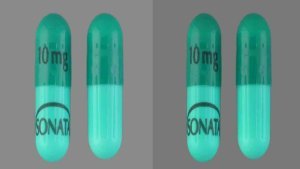
Tadalafil, commonly known by its brand name Cialis, is a medication widely used to treat erectile dysfunction (ED) and other conditions such as benign prostatic hyperplasia (BPH). As with any medication, understanding its shelf life and proper storage is essential to ensure its effectiveness and safety. In this article, we will explore the shelf life of tadalafil, how it should be stored, and the factors that can influence its potency.
What is Shelf Life?
Before diving into the specifics of tadalafil, it’s important to understand the concept of shelf life. The shelf life of a medication refers to the period during which the drug remains safe and effective when stored under recommended conditions. After this period, the medication may not be as potent, and in some cases, it could even be harmful. The shelf life is determined by the manufacturer based on rigorous testing and stability studies.
How Long Does Tadalafil Last?
The shelf life of tadalafil is typically listed as 2 to 3 years from the date of manufacture. However, it is crucial to note that this duration can vary depending on the specific formulation and packaging. For example, tadalafil tablets generally have a shelf life of 2 years, while other forms, such as tadalafil oral suspensions, may have a different shelf life. Always check the expiration date printed on the packaging of the product you are using.
Factors Affecting the Shelf Life of Tadalafil
Several factors can influence the shelf life of tadalafil and other medications. These factors include:
Storage Conditions: Proper storage is one of the most significant factors that affect the shelf life of tadalafil. Exposure to extreme heat, humidity, or sunlight can degrade the active ingredient, reducing its effectiveness. Tadalafil should be stored in a cool, dry place, away from direct light and moisture.
Packaging: The type of packaging can also impact the shelf life of the medication. Tadalafil is typically packaged in airtight blister packs, which help protect it from moisture and light. If the packaging is damaged or compromised, the medication may lose its effectiveness more quickly.
Temperature: Tadalafil should be stored at room temperature, typically between 68°F and 77°F (20°C to 25°C). Storing it in a refrigerator or freezer is not recommended, as extreme cold can alter the chemical structure of the drug.
Moisture: Exposure to moisture can cause tadalafil to break down. It is important to keep the bottle tightly closed when not in use and avoid storing it in areas prone to humidity, such as bathrooms.

Signs That Tadalafil Has Expired
Even though tadalafil generally has a long shelf life, it is essential to inspect the medication before use. If you notice any of the following signs, the medication may no longer be safe to use:
Color changes: If the tablets have changed color or become discolored, this may be a sign that they are no longer effective.
Cracks or chips: If the tablet is cracked, chipped, or broken, it may indicate that it has been improperly stored or is past its expiration date.
Odd smell: A strong or unusual odor can be an indication that the medication has degraded.
Changes in texture: If the tablet becomes soft, sticky, or crumbles easily, it may be a sign that it is no longer effective.
If you notice any of these changes, it is advisable to discard the medication and obtain a new prescription.
What Happens If You Take Expired Tadalafil?
Taking expired tadalafil may not necessarily cause harm, but it is unlikely to be as effective as a fresh supply. The active ingredient in tadalafil, which is responsible for improving blood flow to the penis, may lose its potency over time, making it less effective at treating erectile dysfunction.
In some cases, taking expired medication may lead to unintended side effects or interactions with other drugs. It is always best to avoid taking any expired medication and consult with your healthcare provider if you have any concerns about your treatment contact our expert team.
How to Properly Store Tadalafil
To ensure that tadalafil remains effective for as long as possible, it is important to follow the storage instructions provided by the manufacturer. Here are some general guidelines for storing tadalafil:
Keep it in the original container: Store tadalafil in the container it came in to protect it from moisture and light.
Avoid bathrooms: Do not store tadalafil in bathrooms, as the humidity can cause the medication to break down.
Keep it out of reach of children: Store tadalafil in a secure location, away from children or pets, as it can be dangerous if ingested by someone other than the intended user.
Check the expiration date: Always check the expiration date before using tadalafil. If the medication is past its expiration date, discard it safely.

Tadalafil and Its Effectiveness Over Time
Like many medications, tadalafil may lose its potency over time, especially if it is not stored properly. It is essential to follow the manufacturer’s guidelines for storage to ensure that the medication remains effective for its entire shelf life. While some medications may still be effective after the expiration date, it is not recommended to take tadalafil beyond its shelf life due to the risk of decreased efficacy.
Final Thoughts
Tadalafil is an effective medication for treating erectile dysfunction and other related conditions. Understanding its shelf life and proper storage conditions is crucial to ensure that it remains safe and effective for use. Always check the expiration date on the packaging and follow the recommended storage instructions to preserve the medication’s potency.
If you have any concerns about your tadalafil medication, such as whether it has expired or if you have noticed any changes in the appearance of the tablets, it is important to consult with your healthcare provider. They can provide guidance on whether it is safe to use or if you need to replace the medication.
At SafeHealth247, we prioritize your health and safety. For more information on tadalafil and other medications, feel free to explore our resources or consult with your healthcare professional.