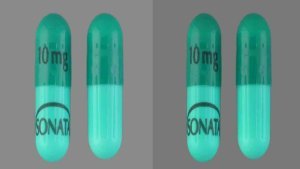
Polycystic Ovary Syndrome, commonly known as PCOS, affects millions of women worldwide and is one of the leading causes of hormonal imbalance. One of the most frustrating challenges associated with PCOS is weight gain or difficulty losing weight. Even with strict diets and regular exercise, many women find that the scale barely moves. This is where weight loss medication for women with PCOS becomes an important consideration.
At Safe Health 247, we understand that PCOS is not just about weight—it is about hormonal health, metabolic balance, and overall well-being. This guide explores how weight loss medications work, who may benefit from them, and what you should consider before starting treatment.
Understanding the Link Between PCOS and Weight Gain
PCOS is closely tied to insulin resistance, a condition where the body’s cells do not respond properly to insulin. This leads to higher insulin levels, which can increase fat storage and make weight loss more difficult. Hormonal imbalances, particularly elevated androgens, also contribute to stubborn weight gain, especially around the abdomen.
Weight gain in PCOS is not simply about calories in and calories out. It is a complex metabolic issue. Many women experience increased hunger, cravings, and slower metabolism, which makes traditional weight loss approaches less effective. That is why medical intervention, including weight loss medication, may be recommended in certain cases.
What Is Weight Loss Medication for PCOS Women?
Weight loss medication for women with PCOS refers to prescription treatments designed to support weight reduction by targeting underlying metabolic and hormonal issues. These medications do not replace lifestyle changes, but they can enhance results when diet and exercise alone are not enough.
Some medications work by improving insulin sensitivity, while others help control appetite, reduce fat absorption, or regulate blood sugar levels. The goal is not just weight loss, but also improving overall hormonal balance and reducing PCOS symptoms.
Types of Weight Loss Medications Commonly Used for PCOS
Several medications are commonly prescribed to women with PCOS who struggle with weight management. Each works differently depending on the individual’s condition and health profile.
Metformin is one of the most widely used medications. Originally developed for type 2 diabetes, it improves insulin sensitivity and helps regulate blood sugar levels. Many women with PCOS experience modest weight loss with metformin, along with improved menstrual cycles.
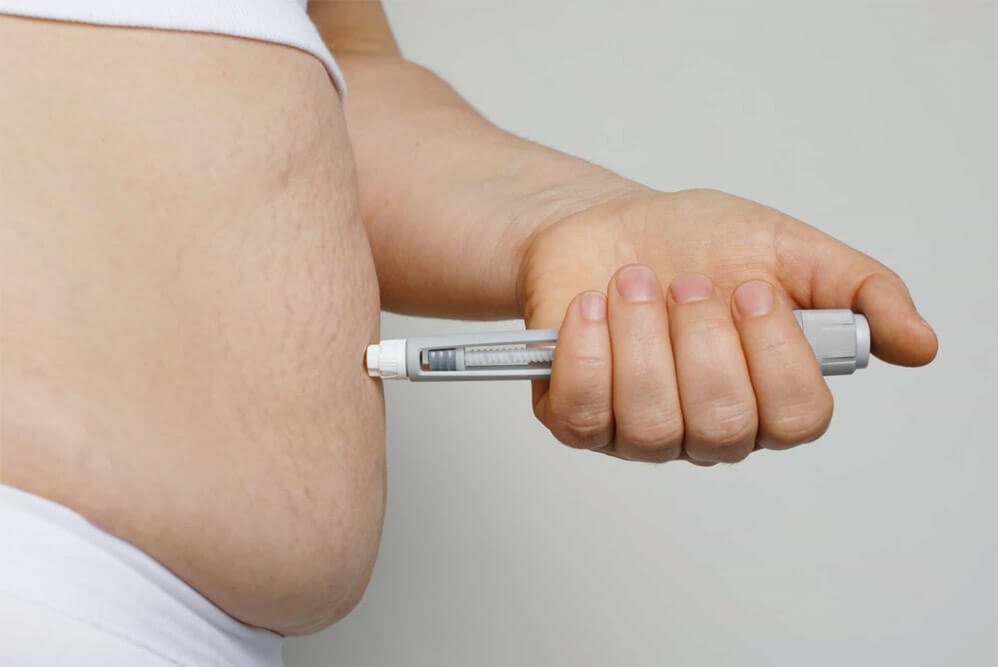
GLP-1 receptor agonists, such as semaglutide and liraglutide, are newer options that have shown promising results. These medications help reduce appetite, slow gastric emptying, and promote a feeling of fullness. They are increasingly being prescribed for women with PCOS who have significant weight challenges.
Orlistat is another option that works by reducing fat absorption in the digestive system. While effective for some, it may cause gastrointestinal side effects and requires careful dietary management.
In some cases, doctors may prescribe combination therapies tailored to the patient’s metabolic profile. The choice of medication always depends on medical history, body mass index, and overall health goals.
Benefits of Weight Loss Medication for PCOS Women
Weight loss medications can offer several benefits beyond just reducing body weight. For women with PCOS, even a small amount of weight loss can lead to significant improvements in symptoms.
One of the main benefits is improved insulin sensitivity, which helps regulate blood sugar levels and reduce the risk of developing type 2 diabetes. Many women also experience more regular menstrual cycles and improved ovulation, which can enhance fertility.
Weight loss medications can also reduce androgen levels, leading to improvements in acne, hair growth, and other PCOS-related symptoms. Additionally, they may support better cardiovascular health by lowering cholesterol levels and blood pressure.
At Safe Health 247, we emphasize that these medications are part of a broader treatment plan aimed at improving overall health, not just achieving a lower number on the scale.
Risks and Side Effects to Consider
While weight loss medications can be effective, they are not without risks. Each medication comes with its own set of potential side effects, and not all treatments are suitable for every individual.
Common side effects may include nausea, digestive discomfort, headaches, or fatigue. Some medications, particularly GLP-1 receptor agonists, may cause temporary gastrointestinal symptoms as the body adjusts.
There are also important medical considerations. Women who are pregnant, breastfeeding, or planning to conceive should avoid certain medications. Long-term use requires regular monitoring by a healthcare professional to ensure safety and effectiveness.
It is essential to consult a qualified medical provider before starting any weight loss medication. Self-medication or using unverified products can be dangerous and may worsen underlying health conditions.
Who Should Consider Weight Loss Medication?
Weight loss medication is not the first step in managing PCOS. It is typically recommended for women who have a higher body mass index and have not achieved desired results through lifestyle changes alone.
Women with insulin resistance, prediabetes, or metabolic syndrome may particularly benefit from medical treatment. Those experiencing severe PCOS symptoms that impact quality of life may also be candidates.
A personalized approach is crucial. At Safe Health 247, we encourage women to undergo a full medical evaluation before considering medication. This ensures that the chosen treatment aligns with individual health needs and goals.

The Role of Lifestyle Alongside Medication
While medication can support weight loss, it works best when combined with healthy lifestyle habits. A balanced diet, regular physical activity, and stress management are essential components of PCOS management.
Nutrition plays a key role in controlling insulin levels. Diets rich in whole foods, lean proteins, healthy fats, and low-glycemic carbohydrates can help stabilize blood sugar and reduce cravings. Exercise improves insulin sensitivity and supports overall metabolic health.
Sleep aid medications quality and stress levels also influence hormonal balance. Chronic stress can increase cortisol levels, which may contribute to weight gain. Addressing these factors enhances the effectiveness of any medical treatment.
Expert Guidance and Safe Treatment Approaches
Choosing the right weight loss medication requires expert guidance. Medical professionals consider multiple factors, including hormonal levels, medical history, and potential drug interactions.
At Safe Health 247, we prioritize evidence-based treatment plans that align with the latest medical research. Our approach focuses on safety, effectiveness, and long-term health outcomes. We encourage regular follow-ups to monitor progress and adjust treatment as needed.
Patients should always seek treatment from reputable healthcare providers and avoid shortcuts or unregulated supplements. Reliable medical support ensures that weight loss is achieved safely and sustainably.
Final Thoughts
Managing PCOS can be challenging, especially when weight loss feels like an uphill battle. Weight loss medication for women with PCOS offers a valuable option for those who need additional support beyond lifestyle changes. However, it is not a one-size-fits-all solution.
The key lies in a balanced approach that combines medical treatment, healthy habits, and professional guidance. With the right plan, women with PCOS can achieve meaningful weight loss, improve their symptoms, and enhance their overall quality of life.
Safe Health 247 is committed to helping women navigate their health journey with confidence and clarity. If you are considering weight loss medication for PCOS, take the first step by consulting a qualified healthcare professional and exploring a treatment plan tailored to your needs.