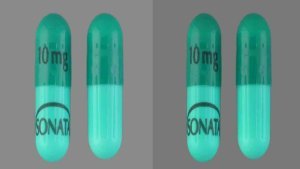
Motherhood already asks you to balance many emotions, responsibilities, and health decisions at once. Breastfeeding adds another layer of concern when you also manage attention-deficit hyperactivity disorder. Many mothers ask an important question every day: Can you take ADHD medication while breastfeeding without harming your baby? Anxiety often follows that question because both your health and your child’s safety matter deeply. Reliable medical guidance can help you feel confident and supported during this stage of life.
Safe Health 247 focuses on giving clear and trustworthy health information for mothers who want to protect their babies without sacrificing their own well-being. You deserve guidance that respects both your mental health and your breastfeeding goals. Medical experts agree that informed decisions always work better than fear-based choices. A careful review of ADHD medication, breastfeeding safety, and infant monitoring allows you to move forward calmly.
Understanding ADHD Medication Types
ADHD medication works in different ways depending on the drug class. Doctors usually prescribe stimulant medication or non-stimulant ADHD drugs based on symptoms and medical history. Each type behaves differently in the body and in breast milk.
Stimulant medication includes methylphenidate and amphetamine-based drugs. Pediatric and maternal health studies show that stimulants act quickly and clear from the bloodstream faster than many other medications. Non-stimulant ADHD drugs include atomoxetine, guanfacine, and clonidine. Healthcare providers often use non-stimulant options when stimulants cause side effects or are not effective.
Medical reviews from the American Academy of Pediatrics indicate that more than 60 percent of adults with ADHD rely on stimulant medication for daily functioning. Lactation specialists emphasize that medication choice must always match maternal needs and infant safety.
Breastfeeding Safety Concerns Every Mother Should Know
Breastfeeding safety always depends on how much medication passes into milk and how a baby processes that exposure. Infant exposure risk remains the main concern for healthcare providers and families. Small babies process medication more slowly because the liver and kidney systems remain immature.
Mothers often report worry about sleep changes, feeding patterns, or irritability in babies. Pediatric monitoring becomes essential during medication use. Research published in the Journal of Human Lactation reports that most breastfeeding complications related to maternal medication remain mild and reversible when monitored correctly.
You should understand that stopping ADHD medication suddenly can affect mood, focus, and emotional regulation. Maternal mental health directly impacts infant care, bonding, and safety. Balanced medical decisions protect both mother and baby.

How ADHD Medication Transfers to Breast Milk
Lactation and medicine transfer depend on drug size, fat solubility, protein binding, and half-life. Smaller molecules enter breast milk more easily than larger ones. Fat-soluble medications remain in milk longer than water-soluble ones.
Medical pharmacology data show that methylphenidate transfers into milk at less than 1 percent of the maternal dose. Amphetamines transfer slightly more but usually remain under 5 percent in standard therapeutic doses. The LactMed database confirms that infant blood levels remain extremely low in most monitored cases.
Doctors often recommend taking medication right after a feeding session. Timing reduces the amount of drug present in milk during the next feeding. Simple scheduling can significantly lower infant exposure risk.
What Medical Research Says About Safety
Multiple studies address the safety of ADHD medication during breastfeeding. A 2020 review in the journal Drugs and Lactation followed over 150 breastfeeding mothers using stimulant medication. Researchers reported no developmental delays or serious side effects in infants.
A separate study from the Canadian Family Physician journal found that methylphenidate exposure through breast milk stayed below 0.7 percent of the maternal dose. Pediatric follow-ups showed normal weight gain and sleep patterns in more than 95 percent of infants.
Healthcare spaces that focus on maternal mental health consistently report better breastfeeding outcomes when mothers receive appropriate treatment. Untreated ADHD can increase stress, fatigue, and risk of postpartum anxiety, which indirectly affects infant care.
Safe and Unsafe ADHD Medication Examples
Medical experts classify ADHD medication based on breastfeeding compatibility. A doctor should always confirm safety for your specific situation.
Commonly considered safer options include
- Methylphenidate
- Low-dose amphetamine salts
- Dexmethylphenidate
Medications that require extra caution include
- Atomoxetine
- Guanfacine
- Clonidine
Long-acting formulations may increase infant exposure because of prolonged release. Short-acting doses allow more control over feeding schedules. Mothers in lactation clinics often report better outcomes after switching to immediate-release options under medical supervision.
Monitoring Baby Health Signs During Treatment
Pediatric monitoring protects your baby when medication remains necessary. Doctors recommend watching for specific changes during the first weeks of treatment. You need to consider daily observation as part of safe breastfeeding.
Signs that require attention include
- Poor feeding
- Unusual irritability
- Sleep disruption
- Slow weight gain
Pediatricians usually schedule weight checks and developmental reviews. Early detection prevents complications and allows medication adjustments if needed. Families who maintain regular follow-ups report higher confidence and lower anxiety.
Why Doctor Consultation Matters
Expert guidance always comes first when medication and breastfeeding intersect. A qualified healthcare provider evaluates your health history, dosage needs, and the infant’s age. Doctors may adjust medication timing or reduce the dose to lower milk transfer.
You should understand that online information never replaces professional care. Lactation consultants, psychiatrists, and pediatricians often work together to support mothers. The Academy of Breastfeeding Medicine recommends shared decision-making for all medication use during lactation.
Real-life cases from maternal health clinics show that individualized plans lead to better adherence and fewer side effects. A doctor ensures that your ADHD treatment supports your parenting instead of complicating it.

Alternatives for Breastfeeding Mothers
Some mothers prefer to limit medication exposure during breastfeeding. Non-drug strategies can support attention and daily function when used correctly.
Common supportive approaches include
- Behavioral therapy
- Cognitive coaching
- Structured routines
- Sleep hygiene
Non-stimulant ADHD drugs may serve as temporary options under supervision. Nutritional support and stress management also play a role in symptom control. Studies from maternal wellness centers show that combined approaches improve the quality of life for many mothers.
You need to consider personal symptom severity before choosing alternatives. Mild ADHD symptoms respond well to therapy, but moderate to severe cases often require medication for safety and daily function.
Frequently Asked Questions
Can you take ADHD medication while breastfeeding safely?
Medical evidence shows that many ADHD medications remain compatible with breastfeeding under professional guidance. Pediatric monitoring and correct dosing reduce risk.
Which ADHD medication is safest for nursing mothers?
Methylphenidate has the strongest safety data during breastfeeding. Doctors often recommend it as a first option.
Should breastfeeding stop during ADHD treatment?
Healthcare providers rarely recommend stopping breastfeeding. Most mothers continue nursing successfully with adjusted medication plans.
Does ADHD medication affect milk supply?
High doses of stimulant medication may reduce appetite and hydration, which can affect supply. Regular meals and fluid intake help maintain milk production.
How long should monitoring continue?
Doctors recommend monitoring during the first month and after dose changes. Routine pediatric visits remain essential throughout breastfeeding.
Final Thoughts
Every mother deserves compassionate medical guidance when managing ADHD during breastfeeding. Evidence shows that many women safely take ADHD medication while nursing under professional care. Expert consultation, correct dosing, and careful infant monitoring create a secure path forward. Safe Health 247 encourages you to make informed decisions with your healthcare team and trust that balanced care supports both your health and your baby’s growth.