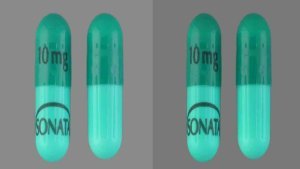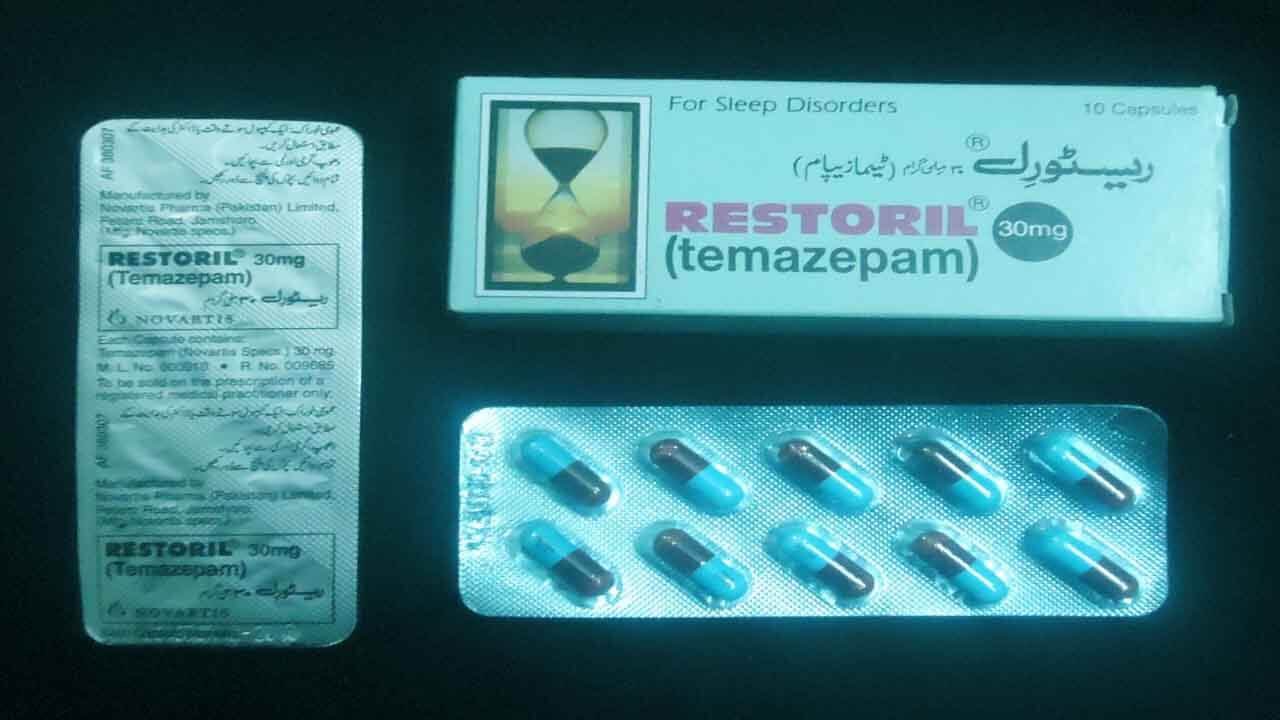
When it comes to battling sleepless nights, the pharmaceutical world offers a wide range of options. Among the most frequently prescribed medications for insomnia are Sonata (zaleplon) and Restoril (temazepam). While both are designed to help individuals fall asleep faster or stay asleep longer, they work in different ways and offer distinct advantages and disadvantages. If you’re considering medical options for your sleep struggles, understanding the difference between Sonata vs Restoril is essential.
Understanding Sonata
Sonata, known generically as zaleplon, is a non-benzodiazepine hypnotic. It belongs to a class of medications known as Z-drugs, which also includes zolpidem (Ambien) and eszopiclone (Lunesta). Sonata is primarily prescribed for people who have difficulty falling asleep but not necessarily staying asleep throughout the night.
How Sonata Works
Sonata works by enhancing the activity of gamma-aminobutyric acid (GABA), a neurotransmitter that slows down brain activity and promotes relaxation. Unlike benzodiazepines, Sonata has a shorter half-life—about 1 hour—making it ideal for those who need help falling asleep but don’t want to feel groggy the next morning.
Pros of Sonata
- Rapid onset of action (within 15-30 minutes)
- Less risk of next-day drowsiness
- Lower dependency potential than benzodiazepines
- Suitable for middle-of-the-night awakenings (under doctor supervision)
Cons of Sonata
- Short duration may not help with staying asleep
- Risk of dependency with long-term use
- Potential side effects like dizziness, headache, and memory issues
Understanding Restoril
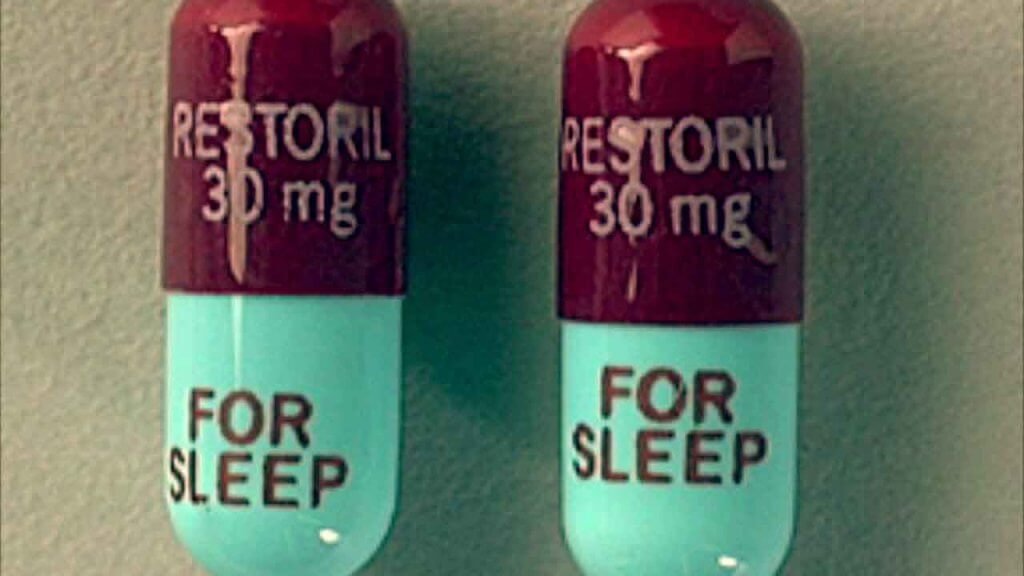
Restoril, the brand name for temazepam, is a benzodiazepine. This class of drugs has been around longer and is generally used for a broader range of anxiety and sleep disorders. Restoril is often prescribed for people who not only struggle to fall asleep but also have difficulty staying asleep throughout the night.
How Restoril Works
Like Sonata, Restoril enhances GABA activity in the brain. However, due to its longer half-life (around 8-11 hours), it provides a more prolonged sedative effect. This makes it a better option for individuals with both sleep initiation and maintenance issues.
Pros of Restoril
- Effective for sleep onset and maintenance
- Longer duration may reduce nighttime awakenings
- Familiar and widely studied
- Can also help with nighttime anxiety
Cons of Restoril
- Higher risk of next-day drowsiness
- Greater potential for dependency and withdrawal
- Not recommended for long-term use
- May impair motor functions and memory
Sonata vs Restoril: Key Differences
FeatureSonata (Zaleplon)Restoril (Temazepam)
Drug Class Non-benzodiazepine (Z-drug) Benzodiazepine
Onset Time 15–30 minutes 30–60 minutes
Duration Short (up to 4 hours) Longer (6–10 hours)
Half-Life ~1 hour ~8–11 hours
Use Sleep onset, Sleep onset + maintenance
Dependency Risk Lower Higher
Common Side Effects: Headache, dizziness, nausea, Drowsiness, confusion, memory loss
Which One Should You Choose?
The choice between Sonata vs Restoril depends on your specific sleep problems, medical history, and how your body reacts to medication.
Choose Sonata if:
- You have trouble falling asleep, but you can stay asleep once you do.
- You need a short-acting sleep aid with minimal hangover effect.
- You’re sensitive to medications and want something with a low residual effect.
- You occasionally wake up in the middle of the night and want something fast-acting.
Choose Restoril if:
- You suffer from both sleep onset and maintenance insomnia.
- You’re dealing with anxiety-related sleep disturbances.
- You need a stronger sedative effect and don’t mind a longer-lasting medication.
- You’ve tried other sleep aids without success.
Safety, Tolerance, and Dependence
Both Sonata and Restoril carry risks, especially with long-term use. Sonata is generally seen as safer for short-term or as-needed use, while Restoril, due to its classification as a benzodiazepine, has a higher risk of tolerance, dependence, and withdrawal symptoms.
Dependency and Withdrawal
- Sonata: Lower risk, but abrupt cessation can still lead to rebound insomnia or mild withdrawal.
- Restoril: Higher risk. Users may experience tremors, anxiety, and seizures during withdrawal.
Drug Interactions and Contraindications
Both drugs can interact dangerously with alcohol, opioids, and other CNS depressants. People with a history of substance abuse, liver disease, respiratory conditions, or mental health disorders should consult their physician before using.
Non-Pharmacological Alternatives
Before turning to medications, or in combination with them, consider:
- Cognitive Behavioral Therapy for Insomnia (CBT-I): Often more effective in the long run than medications.
- Sleep hygiene improvements: Limiting screen time, avoiding caffeine, and establishing a bedtime routine.
- Natural supplements: Melatonin, valerian root, or magnesium may offer mild sedative effects.
Cost and Availability
Both drugs are available in generic form—zaleplon and temazepam—making them more affordable. However, insurance coverage, availability, and prescription policies may vary depending on location and healthcare provider.
Sonata
- Typically more expensive if using the brand name
- Generic zaleplon is affordable and widely available
Restoril
- Often cheaper, even in brand form
- Generic temazepam is inexpensive and stocked in most pharmacies
Final Thoughts
When comparing Sonata vs Restoril, the choice is highly individual. Sonata shines as a quick fix for sleep onset issues, offering minimal next-day effects and low dependency risks. Restoril, with its longer action, suits those battling prolonged insomnia or stress-related sleep issues, though it comes with heavier baggage in terms of dependence and side effects.
Ultimately, the right medication depends on your symptoms, health profile, and treatment goals. Consulting a sleep specialist or your healthcare provider is crucial for making a safe and effective decision. And while medications can offer temporary relief, long-term sleep health is best built on lifestyle changes, behavioral therapy, and consistent sleep hygiene.