Diabetes can affect many aspects of health, including sexual function. One of the most common yet often overlooked complications is erectile dysfunction (ED). Men living with diabetes are significantly more likely to experience erectile difficulties compared to those without the condition. The impact can affect self-confidence, relationships, emotional well-being, and overall quality of life.
Understanding the connection between diabetes and erectile dysfunction is essential for early diagnosis and effective treatment. Modern treatment options, including Cialis (Tadalafil), have helped many diabetic men regain confidence and improve sexual performance.
At Safe Health 247, we believe that accurate health information empowers patients to make informed decisions. This guide explains the causes, symptoms, diagnosis, prevention strategies, and treatment options for erectile dysfunction in diabetic men, with a detailed look at Cialis treatment.
Understanding Erectile Dysfunction in Diabetic Men
Erectile dysfunction is the persistent inability to achieve or maintain an erection sufficient for satisfactory sexual activity. While occasional erection problems can occur in any man, ongoing symptoms may indicate an underlying medical condition.
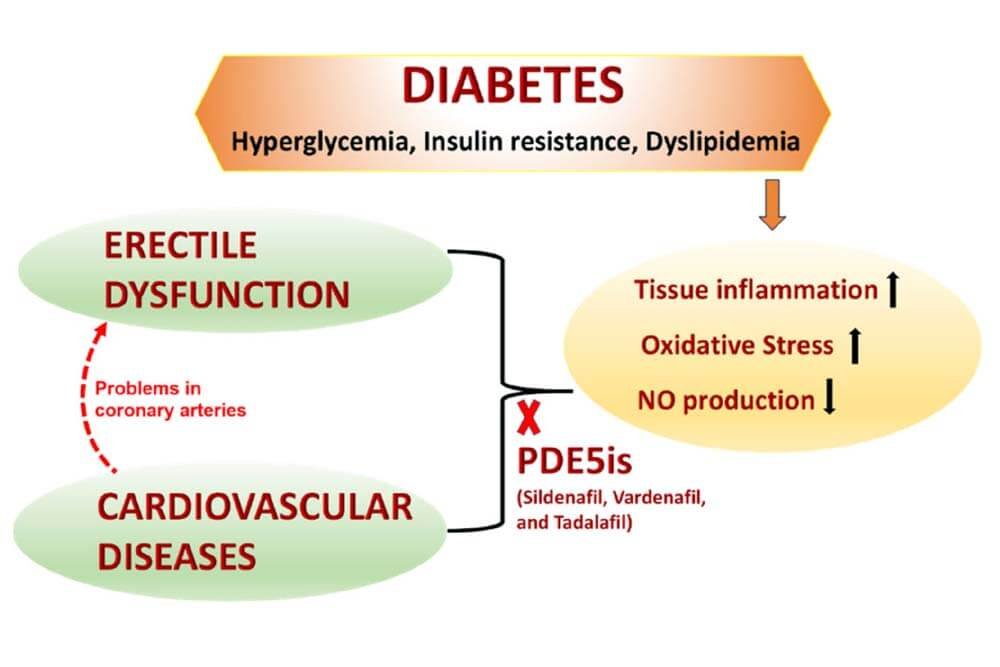
Diabetes is one of the leading causes of erectile dysfunction worldwide. Research shows that men with diabetes often develop ED earlier than men without diabetes. Both type 1 diabetes and type 2 diabetes can contribute to sexual dysfunction through multiple physiological mechanisms.
The condition develops gradually in many cases and may worsen if blood sugar levels remain poorly controlled over time.
How Diabetes Affects Erectile Function
Healthy erections depend on proper blood flow, nerve function, hormone balance, and psychological well-being. Diabetes can interfere with each of these critical components.
Damage to Blood Vessels
High blood sugar levels can damage blood vessels throughout the body. This damage reduces the ability of arteries to deliver sufficient blood to the penis during sexual arousal.
When blood flow becomes restricted, achieving or maintaining a firm erection becomes more difficult. This vascular damage is one of the most significant contributors to erectile dysfunction in diabetic men.
Nerve Damage
Diabetes can also cause diabetic neuropathy, a condition involving nerve damage. The nerves responsible for sexual stimulation and erection may become impaired over time.
When communication between the brain and the penis is disrupted, normal erectile responses may not occur effectively.
Hormonal Changes
Some men with diabetes experience lower testosterone levels. Reduced testosterone can contribute to decreased libido, fatigue, and erectile difficulties.
Hormonal imbalances may not be the sole cause of ED, but they can worsen existing symptoms.
Psychological Factors
Living with a chronic condition can create emotional stress, anxiety, and depression. These mental health challenges may further contribute to sexual dysfunction and performance concerns.
Causes of Erectile Dysfunction in Diabetic Men
Several factors can work together to cause erectile dysfunction in men with diabetes.
Poor Blood Sugar Control
Persistently elevated blood glucose levels increase the risk of vascular and nerve damage. Poor diabetes management is strongly associated with more severe erectile dysfunction.
Cardiovascular Disease
Heart disease, hypertension, and atherosclerosis frequently occur alongside diabetes. These conditions can further reduce blood flow and increase the likelihood of ED.
Obesity
Excess body weight contributes to insulin resistance, inflammation, hormonal changes, and reduced circulation, all of which may negatively affect sexual health.
Smoking and Alcohol Use
Smoking damages blood vessels and impairs circulation. Excessive alcohol consumption can also interfere with nerve function and sexual performance.
Certain Medications
Some medications used to manage blood pressure, depression, or other chronic conditions may contribute to erectile difficulties in certain individuals.
Symptoms of Erectile Dysfunction in Diabetic Men
Symptoms can vary in severity and frequency.
Difficulty Achieving an Erection
Many men notice that erections become less reliable or require greater stimulation than before.
Difficulty Maintaining an Erection
Some men can achieve an erection but struggle to maintain it throughout sexual activity.
Reduced Sexual Desire
Lower libido may accompany erectile dysfunction, especially when hormonal factors are involved.
Decreased Confidence
Persistent sexual difficulties often affect emotional well-being and relationship satisfaction.
Men experiencing these symptoms should seek medical evaluation rather than assuming they are a normal part of aging.
Risk Factors That Increase the Likelihood of ED
Certain factors increase the risk of erectile dysfunction among diabetic men.
Long-standing diabetes, poor glycemic control, obesity, high cholesterol, hypertension, smoking, sedentary lifestyle, cardiovascular disease, depression, and advancing age can all contribute to erectile difficulties.
Although age increases risk, erectile dysfunction is not an inevitable consequence of getting older. Many cases are treatable with appropriate medical care.
Diagnosis of Erectile Dysfunction in Diabetic Men
A healthcare provider will typically begin with a detailed medical history and physical examination.
The evaluation may include questions about sexual health, diabetes management, medication use, psychological well-being, and lifestyle habits.
Blood tests may be performed to assess blood sugar levels, testosterone levels, cholesterol, kidney function, and other relevant health markers.
In some cases, additional testing may be recommended to evaluate blood flow, nerve function, or cardiovascular health.
Proper diagnosis helps identify underlying causes and guides the most appropriate treatment plan.
Cialis (Tadalafil) for Erectile Dysfunction in Diabetic Men
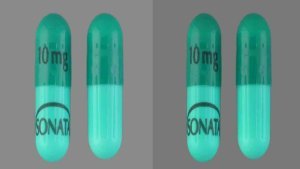
Cialis, whose generic name is Tadalafil, is one of the most commonly prescribed medications for erectile dysfunction. It belongs to a class of drugs known as phosphodiesterase type 5 (PDE5) inhibitors.
Many diabetic men find Cialis effective because it helps improve blood flow to the penis during sexual stimulation.
How Cialis Works
During sexual arousal, the body releases nitric oxide, which helps relax blood vessels in the penis. Cialis enhances this natural process by blocking the PDE5 enzyme.
As blood vessels relax and widen, blood flow improves, making it easier to achieve and maintain an erection.
Cialis does not create sexual desire and does not produce an automatic erection. Sexual stimulation remains necessary for the medication to work.
Benefits of Cialis for Diabetic Men
One of the main advantages of Cialis is its long duration of action. The medication can remain effective for up to 36 hours in many individuals.
This extended window provides greater flexibility and spontaneity compared to some other ED medications.
Many diabetic men appreciate the longer-lasting effect because it reduces the need to plan sexual activity around medication timing.
Dosage Considerations
Healthcare providers may prescribe Cialis as needed before anticipated sexual activity or as a lower daily dose.
The appropriate dosage depends on several factors, including age, overall health, kidney function, liver function, and concurrent medications.
Patients should always follow their healthcare provider’s recommendations regarding dosing.
Potential Side Effects
Like all medications, Cialis can cause side effects.
Common side effects may include headache, flushing, nasal congestion, muscle aches, back pain, indigestion, and dizziness.
Most side effects are mild and temporary. However, individuals should seek immediate medical attention if they experience chest pain, sudden vision changes, hearing loss, or an erection lasting longer than four hours.
Precautions and Safety Considerations
Cialis may not be suitable for everyone.
Men who take nitrate medications for chest pain should not use Cialis because the combination can cause dangerous drops in blood pressure.
Patients with significant cardiovascular disease, severe liver disease, or severe kidney impairment should discuss risks and benefits with their healthcare provider before starting treatment.
Common Concerns About Cialis Treatment for Diabetic Men
Many men wonder whether Cialis works as effectively in diabetic patients as it does in non-diabetic individuals.
While diabetes can make ED more challenging to treat, many diabetic men achieve meaningful improvement with Cialis. Results may vary depending on the severity of vascular and nerve damage.
Some patients also worry about taking Cialis alongside diabetes medications. In most cases, Cialis can be used safely with standard diabetes treatments under medical supervision.
Another common concern involves long-term use. Many men successfully use Cialis for extended periods when monitored appropriately by a healthcare professional.
Additional Treatment Options for Erectile Dysfunction
Cialis is not the only treatment available.
Improved blood sugar control can significantly reduce the progression of erectile dysfunction. Regular exercise, weight management, smoking cessation, stress reduction, and a heart-healthy diet can also improve sexual health.
Some men may benefit from other PDE5 inhibitors, hormone therapy, counseling, vacuum erection devices, injectable medications, or surgical interventions when appropriate.
Treatment should always be individualized based on a patient’s medical history and overall health.

Prevention Strategies for Diabetic Men
Preventing erectile dysfunction begins with effective diabetes management.
Maintaining healthy blood sugar levels can help protect blood vessels and nerves from damage. Regular physical activity improves circulation and cardiovascular health.
Routine medical checkups allow healthcare providers to identify risk factors early and address them before complications develop.
Managing blood pressure, cholesterol, body weight, and mental health can further support long-term sexual function.
Important Medical Disclaimer
This article is intended for educational purposes only and should not replace professional medical advice, diagnosis, or treatment. Erectile dysfunction may be a sign of an underlying health condition that requires medical evaluation. Always consult a licensed healthcare professional before starting, stopping, or changing any medication, including Cialis.
Final Thoughts
Erectile dysfunction in diabetic men is a common but treatable condition. Diabetes can affect blood vessels, nerves, hormone balance, and overall sexual function, making erectile difficulties more likely over time. Early recognition of symptoms and proper medical evaluation are important steps toward effective management.
Cialis has become a valuable treatment option for many diabetic men because it improves blood flow and supports stronger, more reliable erections. However, the best outcomes often come from combining medication with healthy lifestyle changes and proper diabetes control.
At Safe Health 247, we encourage men to discuss erectile dysfunction openly with a qualified healthcare provider. Timely treatment can improve both sexual health and overall quality of life.
FAQs
Can diabetes directly cause erectile dysfunction?
Yes. Diabetes can damage blood vessels and nerves that are essential for normal erectile function. Poor blood sugar control over time significantly increases the risk of erectile dysfunction.
Is Cialis effective for diabetic men with erectile dysfunction?
Many diabetic men experience improved erections with Cialis. Effectiveness depends on factors such as overall health, diabetes control, and the extent of nerve or blood vessel damage.
How long does Cialis last in the body?
Cialis can remain effective for up to 36 hours in many individuals, making it one of the longest-lasting erectile dysfunction medications available.
Can I take Cialis if I have type 2 diabetes?
Many men with type 2 diabetes can safely use Cialis under medical supervision. A healthcare provider can determine whether it is appropriate based on medical history and current medications.
Can controlling blood sugar improve erectile dysfunction?
Good blood sugar management may help slow the progression of erectile dysfunction and improve treatment outcomes. Better diabetes control supports healthier blood vessels, nerves, and overall sexual health.