When it comes to medications, a common question patients ask is about the difference between generic and brand-name drugs. Many people assume that brand-name drugs are superior simply because they are more expensive or more advertised. However, the reality is more nuanced. In this guide we’ll break down the essentials, so you can make informed decisions about your prescriptions.
What Are Brand Name Drugs?
To start, brand name drugs are the original products developed and marketed by pharmaceutical companies. These companies invest heavily in research, clinical trials, marketing, and distribution. Because of this investment, they receive patents that give them exclusive rights to manufacture and sell the drug for a certain period.
Key Features of Brand Name Drugs:
- Exclusive Patents: Only one company can produce the drug during the patent period.
- Higher Costs: Due to research, development, and marketing expenses.
- Trusted Recognition: Doctors and patients often recognize these names quickly.
For example, “Lipitor” is a brand name drug used to lower cholesterol, developed by Pfizer.
What Are Generic Drugs?
On the other side, generic drugs are copies of brand-name drugs. They contain the same active ingredients, work the same way in the body, and meet the same quality standards set by health authorities. Once the patent for a brand-name drug expires, other manufacturers are allowed to produce and sell the generic version.
Key Features of Generic Drugs:
- Same Active Ingredients: They are chemically identical.
- Affordable Pricing: Without high research costs, generics are much cheaper.
- Strict Regulation: Must meet rigorous FDA or equivalent authority standards.
An example would be “Atorvastatin,” the generic version of Lipitor.

Similarities Between Generic and Brand Name Drugs
Despite the common misconception, the difference between generic and brand-name drugs isn’t about effectiveness. Both types must:
- Have the same dosage form (tablet, capsule, liquid, etc.)
- Deliver the same amount of active ingredient into a patient’s bloodstream
- Meet the same standards of quality, strength, purity, and stability
Thus, from a treatment perspective, the two are remarkably similar.
Differences Between Generic and Brand Name Drugs
Now, focusing on the difference between generic and brand name drugs, let’s dive into the major distinctions.
1. Cost
Transitioning to cost, brand name drugs usually come with a hefty price tag. This is to recover the enormous expenses incurred during research and development. Meanwhile, generic versions are significantly cheaper—sometimes up to 80-85% less.
2. Appearance
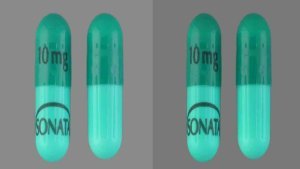
By law, generic drugs cannot look exactly like their brand-name counterparts. This means differences in color, shape, packaging, or markings. However, these aesthetic changes do not affect the drug’s performance.
3. Inactive Ingredients
While the active ingredient must be the same, the fillers, preservatives, and flavoring agents can vary. Rarely, a patient may be allergic to an inactive ingredient in the generic that wasn’t in the brand name.
4. Availability
Initially, when a drug’s patent expires, only a few companies manufacture the generic, but over time, many enter the market, increasing accessibility.
Why Do Some People Prefer Brand Name Drugs?
Moving forward, some patients and healthcare providers prefer brand name drugs. Why? Familiarity plays a big role. If a patient has been using a brand name drug successfully, switching to a generic might cause psychological concern even if the medication is just as effective.
Moreover, a small minority of individuals may react differently due to variations in the inactive ingredients.
Benefits of Choosing Generic Drugs
The affordability of generics can’t be overstated. In addition to lower costs, they:
- Help insurance companies control premiums
- Reduce out-of-pocket expenses
- Increase adherence to prescribed treatments since patients are less likely to skip doses due to cost
Thus, from a public health perspective, generic drugs make medications accessible to a broader population.
Are There Risks Associated With Generic Drugs?
Discussing risks, it’s important to mention that while generics are safe, very small variations in bioavailability (the degree and rate at which a drug is absorbed) can occur. However, these differences are tightly regulated and should not impact the average patient’s treatment outcome.
In rare instances, individuals with very sensitive conditions (such as epilepsy) might notice a difference and should consult their doctor before switching medications.
The Regulatory Process: How Generics Are Approved
Switching gears, let’s explore how generics gain approval. Regulatory agencies like the FDA in the United States, Health Canada, and the EMA in Europe demand stringent testing. Manufacturers must prove that:
- Their generic version delivers the same amount of active ingredient
- The drug is absorbed at a similar rate and extent
- Manufacturing facilities meet high standards
Thus, patients can trust that generics are safe and effective.
Insurance Companies and the Push for Generics
Insurance companies strongly encourage generic drug use. Many insurance plans have higher co-pays for brand name drugs and offer significant savings when patients opt for generics. Some plans may even require a generic substitution unless a doctor specifies otherwise.
This move towards generics benefits everyone by lowering overall healthcare costs.
When Brand Name Drugs Are Necessary
Though generics are sufficient for most, in some cases brand name drugs are necessary:
- Patients with allergies to certain fillers
- Narrow therapeutic index drugs (where small differences in dose or blood concentration can lead to serious issues)
- Patient or physician preference for consistency
In these situations, the extra cost may be justified.
A Global Perspective: Generic vs. Brand Name Drugs
Taking a broader view, different countries have varying regulations around generic drugs. For example:
- In the U.S., generics must be identical in active ingredient, strength, dosage form, and route of administration.
- In Europe, the European Medicines Agency ensures bioequivalence before approval.
- In developing nations, a lack of stringent regulation sometimes raises concerns about quality.
Thus, while generics offer a global solution to healthcare costs, local regulatory standards matter greatly.
Common Myths About Generic Drugs
Finally, it’s time to bust some myths:
- Myth: Generics are less effective.
- Truth: They must prove they are equally effective.
- Myth: Generics are lower quality.
- Truth: They meet strict manufacturing guidelines.
- Myth: You always need a doctor’s permission to switch.
- Truth: Pharmacies often substitute automatically unless specified otherwise.
These myths can cause unnecessary fear and reluctance to opt for generic versions.
How to Discuss Options With Your Doctor
When in doubt, always talk to your healthcare provider. A good conversation might include:
- Asking if a generic version is available
- Discussing any previous bad experiences
- Mentioning concerns about cost
- Being open to recommendations based on your health condition
Healthcare decisions are personal. Being proactive ensures you get the best treatment.
Conclusion: Making an Informed Choice
In conclusion, understanding the difference between generic and brand name drugs empowers patients to make better healthcare decisions. Both offer effective treatment options, with generics providing a cost-effective alternative without compromising quality. While brand name drugs hold a place in certain scenarios, for most, generics are a safe, affordable, and smart choice.
Always consult your healthcare provider for the best advice tailored to your situation.
Final Thought
Healthcare choices often come down to knowledge, trust, and personal needs. Now that you know the difference between generic and brand-name drugs, you’re equipped to make decisions that benefit your health and wallet. In an age where medical costs keep rising, embracing generics can be a smart step towards more affordable and accessible care.