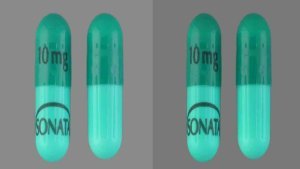
ADHD, or Attention Deficit Hyperactivity Disorder, is a neurodevelopmental condition that impacts millions globally, often making daily functioning a challenge. With a variety of medications available to treat ADHD, switching from one type to another—commonly known as ADHD medication conversion—is a crucial aspect of effective treatment management. Whether due to side effects, inefficacy, or lifestyle needs, converting medications must be approached with informed care and medical supervision.
In this article, we’ll guide what ADHD medication conversion entails, why it’s sometimes necessary, how conversions are typically handled, and what patients and caregivers should expect during the process.

Understanding ADHD Medication Classes
Before diving into conversions, it’s important to understand the types of medications used to treat ADHD. They fall broadly into two categories:
1. Stimulant Medications
These are the most commonly prescribed and include two main types:
- Methylphenidate-based (e.g., Ritalin, Concerta, Focalin)
- Amphetamine-based (e.g., Adderall, Vyvanse, Dexedrine)
Stimulants work by increasing dopamine and norepinephrine levels in the brain, improving focus, attention, and impulse control.
2. Non-Stimulant Medications
These include:
- Atomoxetine (Strattera)
- Guanfacine (Intuniv)
- Clonidine (Kapvay)
Non-stimulants may be chosen when stimulants are not effective or cause severe side effects, or when there’s a risk of misuse.
What Is ADHD Medication Conversion?
ADHD medication conversion refers to the process of switching a patient from one ADHD medication to another. This could involve:
- Switching from one stimulant to another
- Changing from a stimulant to a non-stimulant
- Adjusting the delivery method (e.g., extended-release to immediate-release)
- Transitioning between brand and generic versions
The primary goal is to find the most effective medication with the fewest side effects tailored to the patient’s response and lifestyle.
Why ADHD Medication Conversion Happens
Medication changes are not uncommon in ADHD treatment. Reasons may include:
1. Lack of Efficacy
Not every patient responds the same way to every medication. What works well for one may be ineffective for another.
2. Side Effects
Common side effects of ADHD medications include appetite suppression, insomnia, anxiety, and mood swings. If side effects become unmanageable, a switch might be needed.
3. Duration Issues
Some medications wear off too quickly, requiring multiple daily doses. Others may last too long, affecting sleep.
4. Coexisting Conditions
Anxiety, depression, or other comorbid conditions may require different medication choices or combinations.
5. Lifestyle or Preference Changes
For example, a child entering adolescence may benefit from longer-acting medication for school days, while adults may prefer shorter-acting options to avoid evening side effects.
The Conversion Process: How It Works
Step 1: Medical Evaluation
The clinician assesses current symptoms, side effects, health history, and treatment goals.
Step 2: Selecting the New Medication
Based on the evaluation, the physician recommends a new drug that may be better suited to the patient’s profile.
Step 3: Calculating Equivalent Doses
This is a critical step. While there’s no universal conversion chart due to individual variability, doctors use general guidelines:
- Methylphenidate to amphetamine conversions often follow a 2:1 ratio.
- Switching between extended and immediate-release forms requires dose adjustments to maintain therapeutic coverage throughout the day.
Step 4: Titration
Titration is the gradual adjustment of the medication dosage to find the optimal level. Doctors often start low and slowly increase to minimize side effects.
Step 5: Monitoring and Adjustment
Follow-up appointments help track progress, observe side effects, and make necessary tweaks.
Special Considerations in ADHD Medication Conversion
1. Children vs. Adults
Children may metabolize drugs differently from adults. Pediatric dosing requires extra care in conversion to avoid over- or under-medication.
2. Coexisting Health Issues
Heart conditions, tics, or psychiatric disorders influence medication selection.
3. Substance Abuse Risk
Stimulants have the potential for misuse. In cases with a history of substance abuse, non-stimulants or prodrug versions like Vyvanse (which is inactive until metabolized) may be preferred.
4. Insurance and Cost
Not all medications are covered equally by insurance plans. Sometimes conversions are driven by formulary changes.
Tips for Patients and Caregivers During Medication Conversion
- Keep a symptom diary. Document changes in behavior, focus, appetite, and mood.
- Report all side effects. Even minor changes can be clinically significant.
- Be patient. Finding the right medication can take time.
- Stay consistent. Administer medications at the same time daily, especially during the titration phase.
- Avoid abrupt discontinuation. Always follow a tapering schedule when switching medications.
Common Conversion Scenarios
Here are a few real-world examples:
Scenario 1: From Ritalin to Adderall
A child on Ritalin (methylphenidate) who experiences rebound irritability may be switched to Adderall (amphetamine) for a smoother effect. The physician would calculate the equivalent dose based on the 2:1 rule, start low, and monitor.
Scenario 2: From Adderall XR to Vyvanse
An adult needing consistent coverage may move to Vyvanse, a long-acting prodrug. This also lowers the abuse risk since Vyvanse must be digested to become active.
Scenario 3: Stimulant to Non-Stimulant
If a patient develops insomnia or anxiety on stimulants, the doctor might initiate Atomoxetine. A washout period (typically 24–48 hours) ensures safety during the transition.
The Role of Pharmacogenomics in Conversion
Emerging science now allows doctors to use pharmacogenetic testing to predict how a person will metabolize certain medications. While not standard practice yet, this can guide better conversions, particularly in complex cases or treatment-resistant patients.
Final Thoughts
ADHD medication conversion isn’t just about switching pills—it’s a nuanced, individualized process requiring collaboration between patients, caregivers, and medical professionals. The ultimate goal is to find the most effective treatment with the fewest side effects, enhancing not only attention and behavior but also quality of life.
If you or your loved one is considering a medication switch, stay informed, communicate openly with your doctor, and be patient through the process. Every step brings you closer to better focus, fewer symptoms, and improved daily functioning.