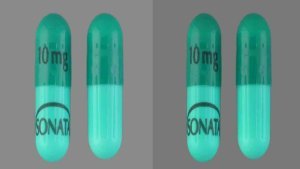
Attention-Deficit/Hyperactivity Disorder (ADHD) is commonly associated with inattention, hyperactivity, and impulsivity. However, many individuals with ADHD also experience aggressive behaviors. While aggression isn’t a core symptom of ADHD, it often stems from difficulties in emotional regulation and frustration tolerance. ADHD Aggression Medication is one of the primary tools used to manage aggression in ADHD patients, helping to regulate emotions and control impulsive behaviors.
Understanding ADHD and Aggression
Aggression in ADHD can manifest in different ways, such as verbal outbursts, physical confrontations, and defiance. It often results from an inability to regulate emotions, leading to intense reactions to minor triggers. This can affect relationships, school performance, and overall quality of life.
Causes of Aggression in ADHD
- Impulse Control Issues: Difficulty in pausing before reacting.
- Emotional Dysregulation: Inability to manage frustration and anger.
- Oppositional Defiant Disorder (ODD): A condition that often coexists with ADHD and contributes to defiant and aggressive behaviors.
- Sensory Overload: Hypersensitivity to stimuli can lead to irritability and aggression.
- Low Frustration Tolerance: Individuals with ADHD may struggle to cope with challenges, leading to emotional outbursts.
Types of ADHD Aggression Medication
Several medications help control ADHD Aggression Medication patients by stabilizing mood, reducing impulsivity, and improving overall behavioral control. These medications fall into three main categories:
Stimulant Medications
Stimulants are the most common treatment for ADHD. They work by increasing dopamine and norepinephrine levels in the brain, helping improve focus, impulse control, and emotional regulation.
Common Stimulant Medications:
- Methylphenidate-based: Ritalin, Concerta, Metadate
- Amphetamine-based: Adderall, Vyvanse, Dexedrine
Effectiveness for Aggression:
While stimulants are effective for ADHD symptoms, they can also reduce aggression by improving impulse control. However, in some cases, they may increase irritability and emotional sensitivity, leading to mood swings.
Non-Stimulant Medications
For those who don’t respond well to stimulants or experience significant side effects, non-stimulant medications can be an alternative.
Common Non-Stimulant Medications:
- Atomoxetine (Strattera): Increases norepinephrine levels, improving focus and emotional stability.
- Guanfacine (Intuniv) and Clonidine (Kapvay): Alpha-2 agonists that help with impulsivity, aggression, and hyperactivity by calming overactive brain signals.
Effectiveness for Aggression:
Non-stimulants are particularly useful for individuals who experience stimulant-induced mood swings or heightened irritability. They can take several weeks to show effects but are beneficial for long-term aggression management.
Mood Stabilizers & Antipsychotics
In cases where ADHD aggression is severe, additional medications may be prescribed alongside ADHD treatments to stabilize mood and reduce extreme behavioral outbursts.
Common Mood Stabilizers & Antipsychotics:
- Risperidone (Risperdal) and Aripiprazole (Abilify): Atypical antipsychotics used for extreme aggression and mood dysregulation.
- Lithium: Sometimes used for severe mood swings and aggression.
- Valproic Acid (Depakote): A mood stabilizer that helps with aggressive behaviors.
Effectiveness for Aggression:
These medications are typically reserved for extreme cases where aggression is persistent and disruptive. They help stabilize emotions but can have significant side effects.
Potential Side Effects of ADHD Aggression Medications
While medications can be effective, they come with potential side effects that should be monitored closely:
- Stimulants: Insomnia, appetite loss, increased heart rate, irritability.
- Non-stimulants: Fatigue, dizziness, nausea, mood swings.
- Mood Stabilizers/Antipsychotics: Weight gain, drowsiness, metabolic changes, emotional blunting.
Alternative and Complementary Approaches
While medication plays a vital role, it is most effective when combined with other treatment strategies. Here are some non-medication approaches that can help manage aggression in ADHD:
Behavioral Therapy
- Cognitive Behavioral Therapy (CBT): Helps develop coping strategies to manage impulsivity and frustration.
- Parent Training Programs: Equip parents with techniques to handle aggressive outbursts.
- Social Skills Training: Teaches individuals how to respond appropriately in social settings.
Lifestyle Modifications
- Exercise: Regular physical activity helps regulate mood and reduce hyperactivity.
- Diet: A balanced diet rich in protein, healthy fats, and complex carbs can improve brain function.
- Sleep Hygiene: Proper sleep reduces irritability and enhances emotional control.
Natural Supplements
Some parents and individuals turn to supplements to support emotional regulation, although scientific backing varies.
- Omega-3 Fatty Acids: Help improve mood and reduce aggression.
- Magnesium and Zinc: Support brain function and may reduce irritability.
- Herbal Remedies: Some herbs like valerian root and chamomile may promote relaxation, though more research is needed.
Final Thoughts
Managing aggression in ADHD requires a multifaceted approach. While medication is a valuable tool, it should be used alongside behavioral therapy, lifestyle changes, and supportive interventions. Finding the right treatment plan is a personalized journey, as different medications and therapies work differently for each individual.
If you or your loved one struggles with ADHD-related aggression, consult a healthcare professional to explore the best treatment options tailored to your needs.