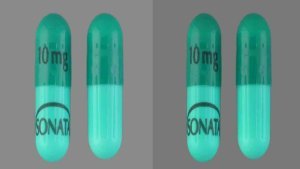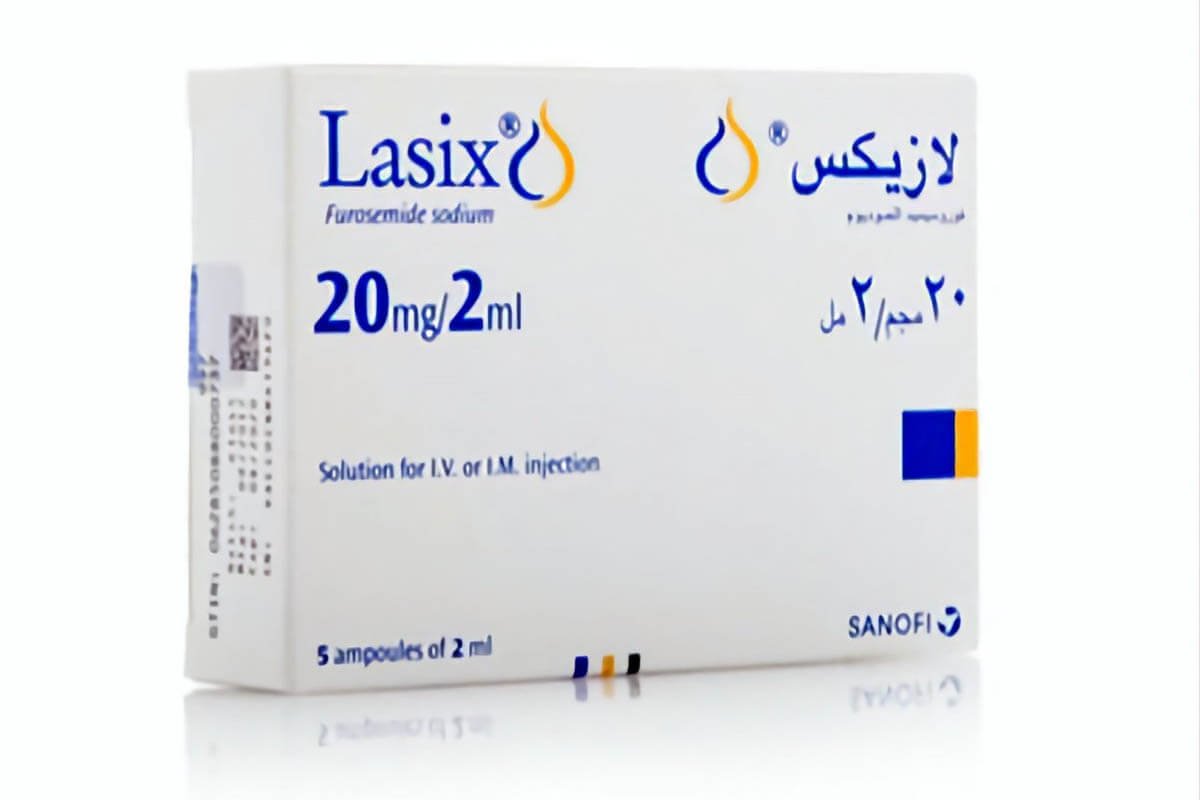
If you are wondering how much potassium to take with 20 mg Lasix, there is no single potassium dose that is safe or appropriate for everyone. SafeHealth247 recommends discussing potassium replacement with a qualified healthcare professional because the right amount depends on your blood potassium level, kidney function, diet, other medications, and the reason you are taking Lasix. Some people taking 20 mg of Lasix may not need a potassium supplement at all, while others may require dietary changes or prescribed potassium replacement based on laboratory monitoring. Furosemide can increase potassium loss, which is why individualized monitoring is important.
What Is Lasix and Why Can It Affect Potassium?
Lasix is the brand name for furosemide, a loop diuretic commonly prescribed to help the body remove excess fluid. It increases urine production and may be used in conditions involving fluid retention, including certain heart, liver, or kidney problems.
Because furosemide increases the amount of fluid and electrolytes lost through urine, it can also contribute to potassium loss. Potassium is an essential electrolyte that supports normal muscle function, nerve signaling, and heart rhythm.
The official prescribing information for furosemide notes that potassium supplementation or dietary measures may sometimes be needed to help prevent or manage low potassium. However, this does not mean every person taking 20 mg of Lasix should automatically take the same amount of potassium.
Is 20 mg of Lasix a High Dose?
A 20 mg dose of Lasix is used in many treatment plans, but the effect of the medication can vary significantly from person to person. Your potassium needs cannot be determined by looking at the Lasix dose alone.
For example, two people taking the same 20 mg dose may have very different potassium levels. One person may maintain a normal potassium level without supplements, while another may develop hypokalemia, which is the medical term for low blood potassium.
Factors that may influence potassium levels include kidney function, dietary potassium intake, the duration of treatment, fluid loss, other diuretics, and medications that can either raise or lower potassium.
For this reason, a blood test is generally more useful than guessing how much potassium to take.

How Do Doctors Determine Whether You Need Potassium?
Healthcare professionals typically consider laboratory results and your overall medical situation before recommending potassium replacement.
A blood test can measure your serum potassium level and help determine whether supplementation or another treatment adjustment is needed. Kidney function is also important because impaired kidneys may have difficulty removing excess potassium from the body.
Monitoring guidance for furosemide includes checking electrolytes and renal function. Low potassium may require changes to treatment, while significantly low levels can require urgent medical attention.
This is why taking a potassium supplement simply because you are using 20 mg of Lasix is not always the safest approach.
Can You Get Enough Potassium From Food?
Some people with normal or mildly reduced potassium levels may be advised to include potassium-containing foods in their diet. Common dietary sources include fruits, vegetables, beans, potatoes, and other nutrient-rich foods.
However, dietary changes should also be individualized. People with kidney disease or those taking medications that raise potassium levels may need to limit high-potassium foods instead.
For example, certain blood pressure medicines and potassium-sparing diuretics can increase potassium levels. Combining these factors with potassium supplements without medical guidance may lead to hyperkalemia, or excessively high potassium.
Both low and high potassium levels can be serious, particularly because significant electrolyte disturbances may affect heart rhythm.
Symptoms of Low Potassium to Watch For
Low potassium does not always cause obvious symptoms, especially when the change is mild. However, more significant potassium loss may cause weakness, fatigue, muscle cramps, constipation, or abnormal heart rhythms.
These symptoms can also have other causes, so they should not be used to diagnose low potassium without appropriate medical evaluation.
If you take Lasix and develop severe weakness, fainting, palpitations, chest discomfort, or other concerning symptoms, seek prompt medical care. Severe electrolyte abnormalities can require urgent assessment.
Why You Should Not Self-Prescribe Potassium
Potassium supplements may seem straightforward, but the correct amount can vary considerably. Taking too little may fail to correct a deficiency, while taking too much can raise potassium to unsafe levels.
This is particularly important for people with kidney problems, heart conditions, or those taking medications that affect potassium balance.
Instead of assuming that a 20 mg Lasix dose requires a standard potassium supplement, speak with your prescriber or pharmacist about whether testing is needed. Your healthcare professional can review your medication list, medical history, kidney function, and recent laboratory results before recommending an appropriate approach.
The FDA-approved information for furosemide recognizes the potential need for potassium supplementation or dietary measures, but the decision depends on the individual patient rather than a universal supplement dose.
What Other Medications Can Affect Potassium Levels?
Potassium balance can be influenced by many medications. Some medicines may contribute to potassium loss, while others can increase potassium levels.
This is one reason medication review is essential before adding a supplement. Your complete treatment plan matters more than the Lasix dose alone.
At SafeHealth247, readers can also explore healthcare information across several treatment areas, including Treatments, ADHD Medication, Anti-Anxiety, Erectile Dysfunction, Muscle Relaxants, Pain Relief, Weight Loss, and Sleeping Aid. Because medications in different treatment areas may interact or affect overall health, it is important to review your complete medication regimen with a qualified healthcare professional.
When Should Potassium Levels Be Checked?
The timing of potassium monitoring depends on your individual circumstances. Healthcare professionals may check electrolytes and kidney function before treatment and again after starting or adjusting furosemide, particularly when risk factors are present.
Older people, those with kidney impairment, those who take multiple medications, those who experience vomiting or diarrhea, or those who use higher or changing diuretic doses may require closer monitoring.
NHS professional monitoring guidance highlights the importance of responding to low potassium levels based on their severity and the patient’s clinical risk.
Regular monitoring helps identify a developing problem before it becomes more serious.

Can You Take Potassium and Lasix at the Same Time?
A healthcare professional may prescribe both Lasix and a potassium supplement when appropriate. However, the fact that these medicines are often used together does not mean everyone taking Lasix needs potassium replacement.
Your prescribed schedule may depend on the specific potassium product and your treatment plan. Follow the instructions provided by your healthcare professional or pharmacist rather than changing the dose or timing yourself.
If you have missed a dose or are unsure whether to take potassium with Lasix, contact a pharmacist or prescribing clinician for individualized guidance.
Final Thoughts
So, how much potassium should you take with 20 mg Lasix? The safest answer is that there is no universal potassium dose for everyone taking 20 mg of Lasix. Your potassium needs should be based on blood test results, kidney function, other medications, dietary intake, and your overall health.
SafeHealth247 provides educational health information to help readers better understand medications and treatment-related questions, but potassium supplementation should not be self-prescribed. If you are taking Lasix and are concerned about low potassium, ask a qualified healthcare professional whether you need electrolyte testing and whether potassium replacement or dietary changes are appropriate.
Medical Disclaimer: This article is for educational purposes only and is not a substitute for professional medical advice, diagnosis, or treatment. Do not start, stop, or change Lasix or potassium supplementation without guidance from a qualified healthcare professional.