Polycystic Ovary Syndrome (PCOS) is a complex hormonal disorder that affects millions of women worldwide. One of the most frustrating symptoms associated with PCOS is weight gain or the inability to lose weight despite a healthy diet and regular exercise. For many women, this is more than just a physical challenge—it’s an emotional and mental burden.
While lifestyle modifications are always the first step in managing PCOS, targeted supplements can play a powerful supporting role. In this guide, we’ll dive deep into the best PCOS supplements for weight loss, explain how they work, and help you understand what to look for when choosing one.
Understanding the Link Between PCOS and Weight Gain
Before we explore the world of supplements, it’s important to understand why weight gain happens in PCOS. PCOS is characterized by an imbalance in reproductive hormones, often including high levels of androgens (male hormones like testosterone) and insulin resistance. Insulin resistance means your body doesn’t respond properly to insulin, causing your pancreas to produce even more of it. High insulin levels can lead to increased fat storage, sugar cravings, and difficulty in burning fat.
This vicious cycle of hormonal imbalance and insulin resistance makes losing weight particularly difficult for women with PCOS.
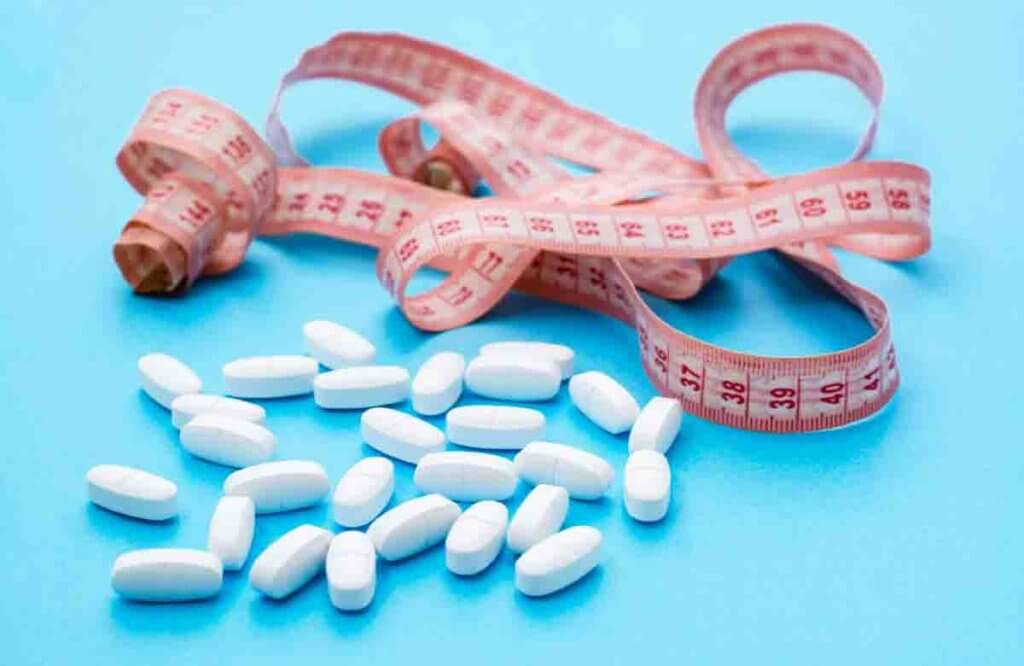
That’s where PCOS supplements for weight loss come in—they target these underlying issues and help regulate your body’s internal systems.
Top PCOS Supplements for Weight Loss
1. Inositol (Myo-Inositol & D-Chiro-Inositol)
Why it works:
Inositol is one of the most widely researched supplements for PCOS. It improves insulin sensitivity and helps regulate menstrual cycles, hormone levels, and even mood.
How it supports weight loss:
By improving insulin sensitivity, inositol reduces fat storage and helps your body metabolize glucose more effectively. Studies have shown that it can lead to modest weight loss when combined with dietary changes.
Suggested dosage:
2,000 to 4,000 mg of myo-inositol with a 40:1 ratio of myo- to d-chiro-inositol is considered optimal.
2. Berberine
Why it works:
Berberine is a natural compound extracted from plants like barberry. It acts similarly to the diabetes medication metformin by lowering insulin and glucose levels.
How it supports weight loss:
Berberine has been shown to reduce body mass index (BMI), improve lipid profiles, and support fat burning by activating an enzyme called AMPK (also known as the “metabolic master switch”).
Suggested dosage:
500 mg, 2–3 times daily before meals.
3. Chromium Picolinate
Why it works:
Chromium is a trace mineral that improves insulin action and glucose metabolism. It may reduce food cravings and control appetite.
How it supports weight loss:
It helps stabilize blood sugar, which prevents the spikes and crashes that lead to overeating. Women with PCOS often experience sugar cravings—chromium may help curb those.
Suggested dosage:
200 to 1,000 mcg per day, divided into two or three doses.
4. Omega-3 Fatty Acids
Why it works:
Found in fish oil, omega-3s reduce inflammation, improve insulin sensitivity, and support cardiovascular health.
How it supports weight loss:
Chronic inflammation is a key contributor to weight gain and insulin resistance in PCOS. Omega-3s help reduce this inflammation and improve fat metabolism.
Suggested dosage:
1,000 to 3,000 mg of combined EPA and DHA daily.
5. Vitamin D
Why it works:
Vitamin D deficiency is common in women with PCOS. It plays a role in insulin sensitivity and reproductive hormone regulation.
How it supports weight loss:
Low vitamin D levels are linked to obesity and insulin resistance. Supplementation can improve metabolic health and make weight loss easier.
Suggested dosage:
1,000 to 4,000 IU daily—get your blood levels tested to determine the right amount.
6. N-Acetyl Cysteine (NAC)
Why it works:
NAC is a powerful antioxidant that boosts glutathione production and reduces oxidative stress. It also improves insulin sensitivity and supports liver detoxification.
How it supports weight loss:
By improving blood sugar regulation and reducing inflammation, NAC supports fat loss and hormone balance.
Suggested dosage:
600 to 1,200 mg per day, usually taken in divided doses.
7. Magnesium
Why it works:
Magnesium is involved in over 300 enzymatic processes in the body, including blood sugar control and hormone regulation.
How it supports weight loss:
Low magnesium levels are associated with insulin resistance and increased stress. Supplementation may help lower cortisol (the stress hormone), improve sleep, and support metabolic function.
Suggested dosage:
300 to 500 mg daily, preferably in the form of magnesium glycinate or citrate.
What to Look for in a PCOS Supplement
With so many products on the market, choosing the right supplement can feel overwhelming. Here’s what you should consider:
- Transparency: Choose brands that provide full ingredient lists, clinical dosages, and third-party testing.
- Combination formulas: Some supplements combine inositol, chromium, and other helpful ingredients into one convenient formula.
- Quality over quantity: A long ingredient list doesn’t always mean better results. Look for evidence-backed dosages.
- No added sugar or fillers: Avoid supplements with unnecessary additives, especially if you’re insulin-resistant.
Can You Take Multiple Supplements Together?
Yes, many women with PCOS take a stack of supplements that target different aspects of the syndrome. For example, combining inositol with omega-3s and vitamin D can address both insulin resistance and inflammation. However, it’s best to introduce one supplement at a time and monitor how your body responds.
Also, consult your healthcare provider before starting any supplement regimen, especially if you’re taking medications like metformin or hormonal birth control.
Lifestyle Still Comes First
No supplement can replace a healthy diet, exercise, and stress management. These three pillars are the foundation of PCOS management. Supplements are not magic pills—they work best when integrated into a lifestyle that includes:
- A low-glycemic, whole-foods-based diet
- Regular strength training and cardio
- Mind-body practices like yoga or meditation
- Adequate sleep (7–9 hours per night)
Final Thoughts
PCOS supplements for weight loss can be powerful allies in your journey toward hormonal balance and a healthier body. Whether you’re dealing with stubborn belly fat, irregular periods, or uncontrollable cravings, adding the right nutrients can support your metabolism and improve your overall well-being.
From inositol to omega-3s and beyond, the right combination of supplements—paired with a sustainable lifestyle—can help you lose weight, feel better, and take control of your PCOS.