Every year, millions of Americans unknowingly purchase counterfeit medications. Whether bought from an unfamiliar pharmacy, an online store, or even a local drugstore, fake medicine poses one of the most silent and dangerous threats to public health today. At Safe Health 247, our mission is to make sure that every person has the knowledge they need to protect themselves and their loved ones from this growing crisis.
Understanding how to identify fake and original medicine is no longer optional. It is a life-saving skill that every patient, caregiver, and consumer must develop.
Why Counterfeit Medicine Is a Serious Public Health Threat
The World Health Organization estimates that roughly one in ten medical products circulating in low- and middle-income countries is substandard or falsified, but the United States is far from immune. The rise of online pharmacies, international shipping channels, and black-market drug distribution has made it increasingly easy for counterfeit drugs to enter even regulated markets.
Fake medicines can contain no active ingredient at all, meaning they simply do not work. Others may contain harmful substances, incorrect dosages, or toxic fillers that cause organ damage, allergic reactions, or even death. People managing chronic conditions like diabetes, hypertension, or epilepsy are particularly at risk, as their bodies depend on precise, adhd medication to function properly.
The financial and emotional costs are equally devastating. Patients who unknowingly take counterfeit drugs often assume their condition is worsening, leading to unnecessary medical visits, added prescriptions, and deep anxiety about their health.
Check the Packaging Before Anything Else
The first and most accessible way to identify fake and original medicine is a careful inspection of the packaging. Legitimate pharmaceutical companies invest heavily in packaging quality, and any deviation from their standard is a red flag.
Start by examining the print quality. Original medicine packaging features sharp, clear text with consistent font sizes and no smudging. Counterfeit packaging often has blurry text, spelling errors, misaligned labels, or inconsistent spacing. Run your fingers across the label — genuine packages feel professionally printed and uniform.
Look for tamper-evident seals on the box or bottle. Most original medicines come sealed at the cap or wrapped in shrink plastic. If the seal is broken, missing, or appears to have been reapplied, do not use the product. Check whether the lot number, manufacturing date, and expiration date are clearly printed and make logical sense. A medicine labeled as manufactured after its expiry date is an instant warning sign.
Inspect the Pills, Capsules, or Liquid Itself
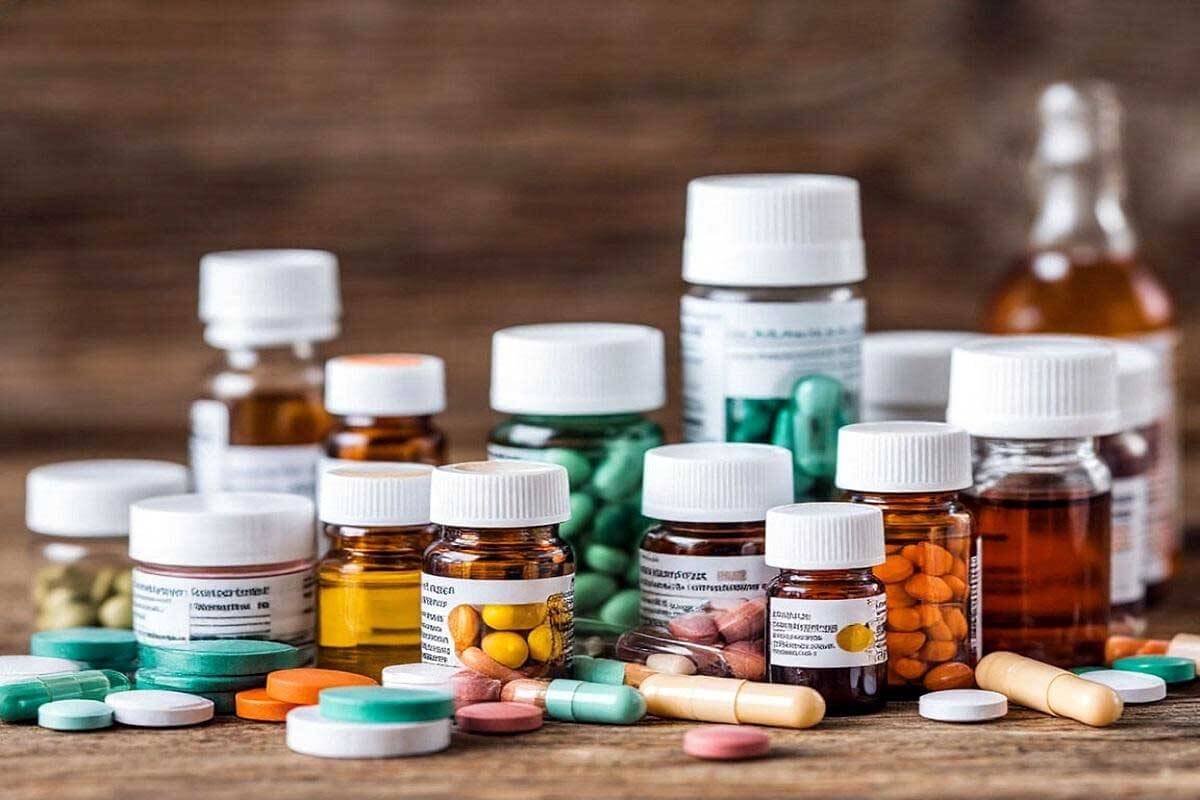
Original medicine is manufactured under strict quality controls, which means the physical product itself is consistent in appearance. Each pill from a genuine batch will be the same color, size, shape, and texture. Counterfeit pills are often produced without these controls, leading to visible inconsistencies within the same bottle.
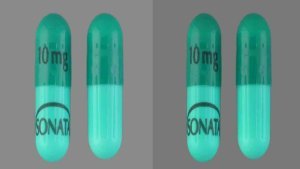
Hold the pills up to a light source. Look for cracks, chips, unusual speckles, or inconsistent coating. A genuine tablet will typically have a clean, smooth surface, while fakes often appear rough, crumbly, or powdery. Capsules should be evenly filled and firmly sealed; if you notice the two halves separating easily or the capsule appearing loosely packed, treat it with suspicion.
Smell is another useful indicator. Some counterfeit medications have an unusual odor — chemical, musty, or simply different from what the medicine normally smells like. If a medicine that you have taken before suddenly smells different, stop using it and consult your pharmacist immediately.
Liquid medications should appear clear or uniformly colored as labeled. Cloudiness, unusual sediment, or separated layers in a suspension that should be smooth are all signs of potential tampering or counterfeiting.
Verify Through Official Channels and Licensed Pharmacies
One of the most reliable methods to confirm you have an original medicine is to verify it through official and licensed channels. The U.S. Food and Drug Administration (FDA) maintains a database of approved drugs that any consumer can access online. Before purchasing a new medication, especially from an online source, search the drug name in the FDA’s database to ensure it is approved and legally sold in the United States.
Only purchase from state-licensed pharmacies. Legitimate online pharmacies will display the NABP (National Association of Boards of Pharmacy) VIPPS seal, which stands for Verified Internet Pharmacy Practice Sites. If a website is selling prescription medications without asking for a valid prescription, that is a serious legal and safety violation — and a near-certain sign that the products are not genuine.
Call Safe Health 247, we strongly advise against purchasing medications from social media platforms, unverified websites, or individuals offering steep discounts. If the price seems too good to be true, it almost always is.
Use Technology to Authenticate Your Medicine
Modern pharmaceutical companies have adopted technology-based authentication systems to help consumers verify their products. Many original medicines now feature QR codes, holograms, scratch-off verification codes, or color-shifting inks on their packaging.
Scanning a QR code with your smartphone can instantly take you to a manufacturer’s verification page, where you can confirm that the batch number matches a genuine product. Holograms change appearance when tilted under light and are extremely difficult and expensive for counterfeiters to replicate accurately.
Some manufacturers also offer dedicated smartphone apps that allow you to scan a barcode and receive real-time confirmation of a product’s authenticity. The Safe Health 247 team recommends familiarizing yourself with the authentication features of any medication you take regularly, so you can quickly spot when something does not match.
Trust Your Pharmacist and Consult Your Doctor
Your pharmacist is one of the most underutilized healthcare resources available to you. A licensed pharmacist can visually inspect your medication, verify its source, and cross-check it against known databases of genuine products. If something about your medicine looks, smells, or feels different from what you are used to, bring it in for review without hesitation.
Your prescribing physician should also be part of the conversation. If you notice that a medication is not working as it previously did, or if you are experiencing side effects you never had before, this could indicate that the product you received is not authentic. Do not assume it is simply your body reacting differently — report your concerns immediately.

Final Thoughts
Protecting yourself from counterfeit medicine is not about paranoia — it is about informed, responsible healthcare. The more you know about how to identify fake and original medicine, the better equipped you are to make safe choices for yourself and your family.
At Safe Health 247, we believe that access to accurate health information is just as important as access to medication itself. Always buy from licensed sources, inspect your medicines carefully, use verification tools available to you, and build a trusting relationship with your pharmacist and doctor. Your health is not something to gamble with, and in a world where counterfeit drugs are a real and growing threat, staying informed is your most powerful defense.