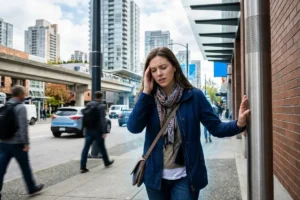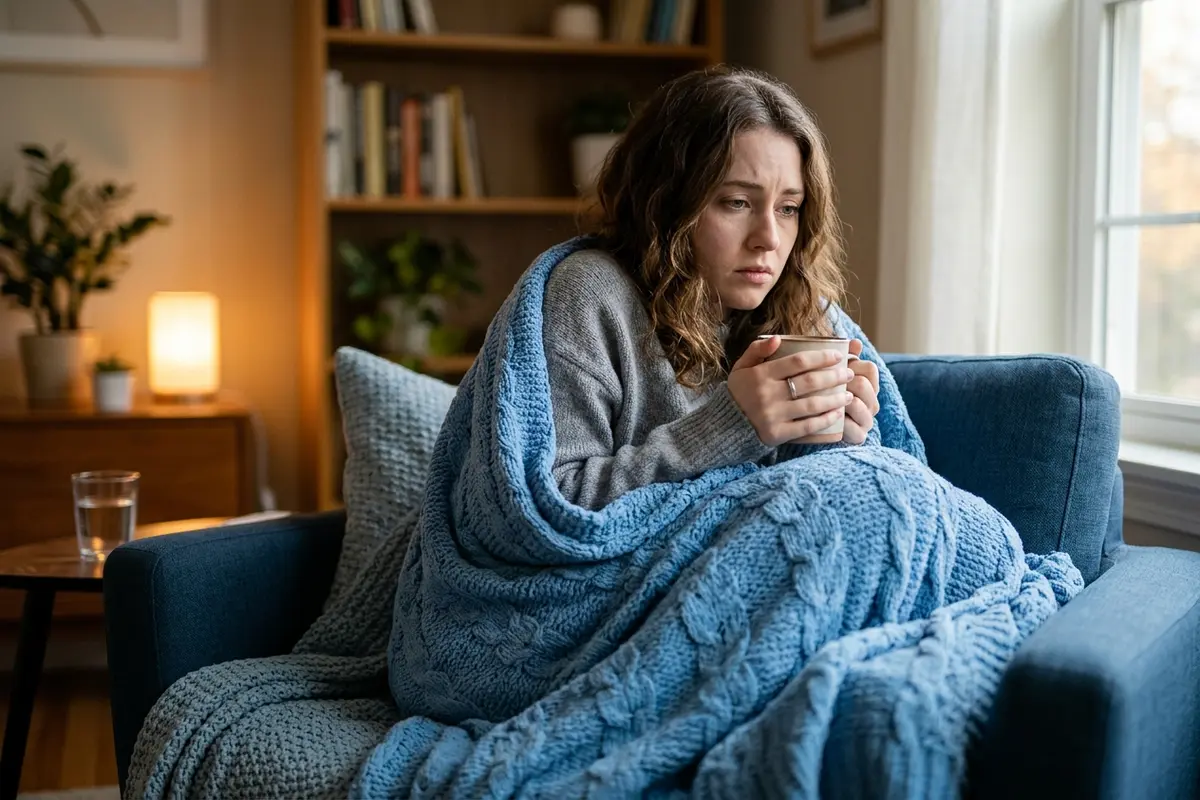
Many people wonder, can anxiety cause chills during stressful moments? This question is extremely common in 2026. Your body reacts strongly to sudden mental stress, causing physical changes. Because of this, you might feel unexpected cold spells. These strange symptoms feel quite scary.
However, you are not alone in experiencing them. Patients frequently ask our team about these sudden physical changes. As a result, we created this helpful guide for you to read today. We want to help. You might even explore anti-anxiety medications for fast relief.
In fact, understanding the root cause is the critical first step. Let us explore how stress affects your daily temperature. Physical symptoms of anxiety 2026 include many surprising bodily changes. Therefore, learning about these changes brings you great peace. You can regain control.
Why Does My Body Feel Cold When I Am Anxious?
Stress does more than just make you feel nervous. It causes real physical changes. For example, your nervous system triggers an intense response that alters how your body manages daily heat. Your brain senses danger. Consequently, blood moves away from your sensitive skin.
Many people experience this chill during high stress. You start to feel very cold inside your own body. You might wonder if you are getting sick today. That said, this biological process is completely natural and expected. Your body is trying to protect itself.
We will look closer at how this mechanism actually works. Understanding your body temperature and stress is vital for your health. Ultimately, you can avoid unnecessary panic during these frightening moments. Knowledge gives you power.
The Role of the Fight or Flight Response
The human body enters a survival mode during intense panic. Doctors call this the typical fight or flight response. As a result, your heart rate increases very quickly while your breathing becomes much faster than normal. You prepare for sudden action.
Because of this response, your body prioritizes keeping essential organs warm. Therefore, your extremities lose their normal surface heat rapidly. You might notice your hands becoming icy cold. A quick way to test this is touching your nose. It often feels freezing.
Meanwhile, your mind focuses entirely on the perceived physical threat. This ancient survival mechanism causes your temperature to drop. In fact, you feel sudden anxiety chills immediately after triggering this reflex. Your body thinks it must survive an attack.
Blood Flow Redistribution and Vasoconstriction
Vasoconstriction is a major reason for your sudden chills. This medical term simply means your tiny blood vessels narrow. Because of this, less blood reaches your outer skin surface as your body protects your vital heart. Your skin cools down.
Consequently, your temperature drops very significantly in just moments. You might feel intense anxiety cold flashes suddenly. For example, you could shiver heavily even in a warm room. The sudden change in blood flow causes this weird feeling. Your fingertips might turn pale.
Although this feels scary, your core temperature stays perfectly normal. Your body temperature and stress remain closely linked. In reality, this physical shift happens in just a few seconds. Therefore, you feel the cold flash almost instantly. Do not worry about freezing.
Common Symptoms of Anxiety Induced Chills
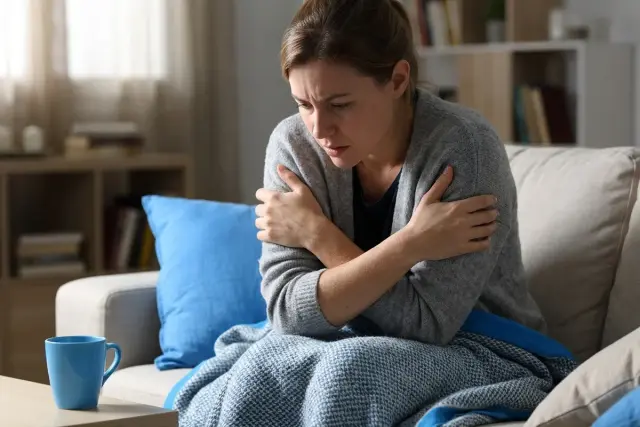
You might feel strange physical symptoms during intense mental stress. In fact, shivering from anxiety is very common today. Many patients report feeling exactly like they have the stomach flu. They experience chills alongside deep body aches and severe fatigue. This feels terrible.
Most patients do not actually have a real fever. Your muscles might tremble or shake completely uncontrollably for minutes. As a result, you feel physically exhausted afterward. Some people notice their teeth chattering before a major life event. Imagine speaking to a crowd.
Extreme tension causes you to feel deeply confused and scared. Because of this, knowing these specific symptoms helps you stay calm. Recognizing the signs of anxiety chills without fever helps immensely. You can manage your physical reactions much more effectively. Awareness brings relief.
Shivering and Muscle Tension
Anxious feelings often cause severe muscle tightness and deep pain. Your muscles contract rapidly to generate needed body heat. Therefore, you might start shivering quite violently without any warning. This sudden shaking is just your body trying to warm up. You might clench your jaw.
Certain individuals hold this tension for many long hours. That said, chronic tension leads to painful body aches. You might want to buy muscle relaxants for fast help. In fact, relaxing your muscles reduces the intense shivering effect naturally. Find comfort in physical relaxation.
Many people find great relief through gentle daily stretching routines. Meanwhile, taking a warm bath relaxes tight muscles. Consequently, managing your muscle tension stops the horrible shivering cycle. You must actively calm your body to feel warm again. This process requires gentle patience.
Cold Sweats vs Cold Flashes
Cold sweats and cold flashes feel slightly different physically. A cold sweat leaves your delicate skin feeling very damp. For example, your forehead might feel wet and clammy. You might sweat through your clothes during a severe panic attack. It is very uncomfortable.
Some cold flashes just make you feel extremely freezing cold. You never sweat during a standard cold flash episode. Instead, your skin feels completely dry and very icy. As a result, you might quickly grab a thick winter blanket. These flashes last for minutes.
Sometimes, the physical discomfort becomes very hard to handle alone. You might even seek pain meds online for quick relief. Therefore, identifying your exact symptoms guides your specific medical treatment. Knowing the difference helps your doctor provide much better daily care. Explain your feelings clearly.
Anxiety Chills vs Fever: How to Tell the Difference in 2026
Telling the difference between acute stress and illness is crucial. In 2026, many people easily confuse anxiety chills with viral fevers. However, there is a very easy way to check your health. You should always use a reliable digital thermometer first. Numbers do not lie.
If your temperature is completely normal, stress is likely the cause. As a result, you can confidently rule out a viral infection. Fevers usually bring a dangerously high core body temperature. Meanwhile, stress chills always leave your core temperature completely normal. Your skin feels cold.
For example, anxiety chills without fever resolve very quickly. They usually fade completely when your panic attack finally stops. In contrast, a genuine viral fever lasts for days at a time. Therefore, paying close attention to the overall duration is extremely helpful. You can spot the cause.
Managing Anxiety Chills and Physical Stress
Managing your physical stress requires a solid daily plan. You must address both your anxious mind and your body. Because of this, finding healthy coping strategies is vital. You can stop the chills before they become too severe. Take action early.
Countless patients struggle to focus clearly during a panic attack. You might look for ADHD medication for better daily focus. However, simple lifestyle changes often make a massive overall difference. For instance, regular outdoor exercise helps regulate your entire nervous system. Try these simple habits:
- Drink plenty of warm water.
- Stretch your tight muscles daily.
- Practice deep breathing techniques.
- Get enough quality sleep.
Proper rest is also incredibly important for your recovery today. You might need sleep medication online for much better rest. In fact, poor nightly sleep makes your daytime anxiety much worse. Therefore, creating a calm bedtime routine prevents future sudden chills. Your body needs deep rest.
Breathing Exercises for Temperature Regulation
Deep breathing is a powerful tool against sudden freezing chills. It tells your nervous system that you are safe. As a result, your tightened blood vessels begin to widen again. Warm blood rushes back into your cold hands very quickly. You warm up fast.
Box breathing is a highly popular and effective technique to try. You inhale for four seconds and hold your breath tightly. Then, you exhale slowly for another four full seconds. Because of this, your rapid heart rate slows down almost immediately. You regain mental control.
Practicing this daily prevents severe anxiety chills almost entirely. You can do this simple exercise anywhere at any time. For example, try it while sitting quietly at your office desk. Therefore, you easily stop the massive fight or flight response. Your body temperature returns normal.
When to Consider Professional Support
Occasionally, home remedies are simply not enough for lasting relief. You might experience severe chills very often each week. Because of this, seeking professional medical help becomes truly necessary. A doctor can properly evaluate your physical symptoms of anxiety 2026. Do not ignore pain.
Medical professionals will always check for any underlying hidden health issues. Experts at the Mayo Clinic explain that severe anxiety requires proper care. That said, ruling out a physical illness brings great peace. You can then focus on improving your mental health. A therapist helps immensely.
Never feel ashamed to ask for professional guidance and help. In fact, getting expert support is a sign of true strength. Therefore, do not wait until your daily symptoms become unbearable. You deserve to feel comfortable and warm every day. Safe Health 247 supports you.
Conclusion: Navigating Your Physical Health with Safe Health 247
Living with intense stress is never an easy journey. You might face confusing symptoms like sudden cold flashes frequently. However, deeply understanding your body brings you much closer to healing. You now know exactly why your hands turn completely icy. Knowledge is your shield.
Nature designed your sensitive nervous system to protect you from danger. Because of this, you can respond with gentle self compassion today. You do not need to fear the sudden shivering anymore. In fact, these physical reactions are temporary and harmless. You can manage them easily.
Ultimately, you will regain full control over your healthy life. Safe Health 247 wants to help you achieve wellness. Therefore, we provide trusted resources for your mental health. We believe in empowering our readers. You can face the future with total confidence and peace. Breathe deeply and relax.
Frequently Asked Questions
1. Can anxiety cause chills without a fever?
Yes, anxiety often causes chills without a fever. This happens because the body reacts strongly to severe stress. Because of this, your blood circulation changes rapidly. Your temperature regulation shifts to protect vital organs first. Therefore, you feel very cold despite having a perfectly normal body temperature.
2. How long do anxiety-induced chills usually last?
Anxiety chills typically last during the acute panic phase. They often subside within 10 to 30 minutes. In fact, your nervous system begins to calm down naturally. Your blood flow returns to your skin surface eventually. As a result, you will feel warm and comfortable again very soon.
3. Can panic attacks make you feel cold and shaky?
Yes, shaking and feeling cold are very common physical symptoms. Your body releases adrenaline during a severe panic attack. Consequently, blood diverts away from your sensitive outer skin surface. It moves toward essential organs for your physical survival. This sudden shift leaves you feeling freezing cold and completely shaky.
4. Is shivering a sign of high-functioning anxiety?
Shivering can certainly manifest in high-functioning anxiety cases today. Your body remains in a constant state of chronic stress. Because of this, you might experience low level physical symptoms constantly. You could shiver without feeling completely overwhelmed by sudden panic. Therefore, addressing your stress levels is vital.
5. When should I see a doctor for anxiety-induced chills in 2026?
You should consult a healthcare provider for severe, lasting symptoms. See a doctor if chills arrive with a fever. Also, get immediate medical help if intense pain accompanies your cold flashes. In reality, severe anxiety should never ruin your daily life. A professional can provide the right treatment.
Contact Safe Health 247 today to learn more about managing your wellness in 2026.