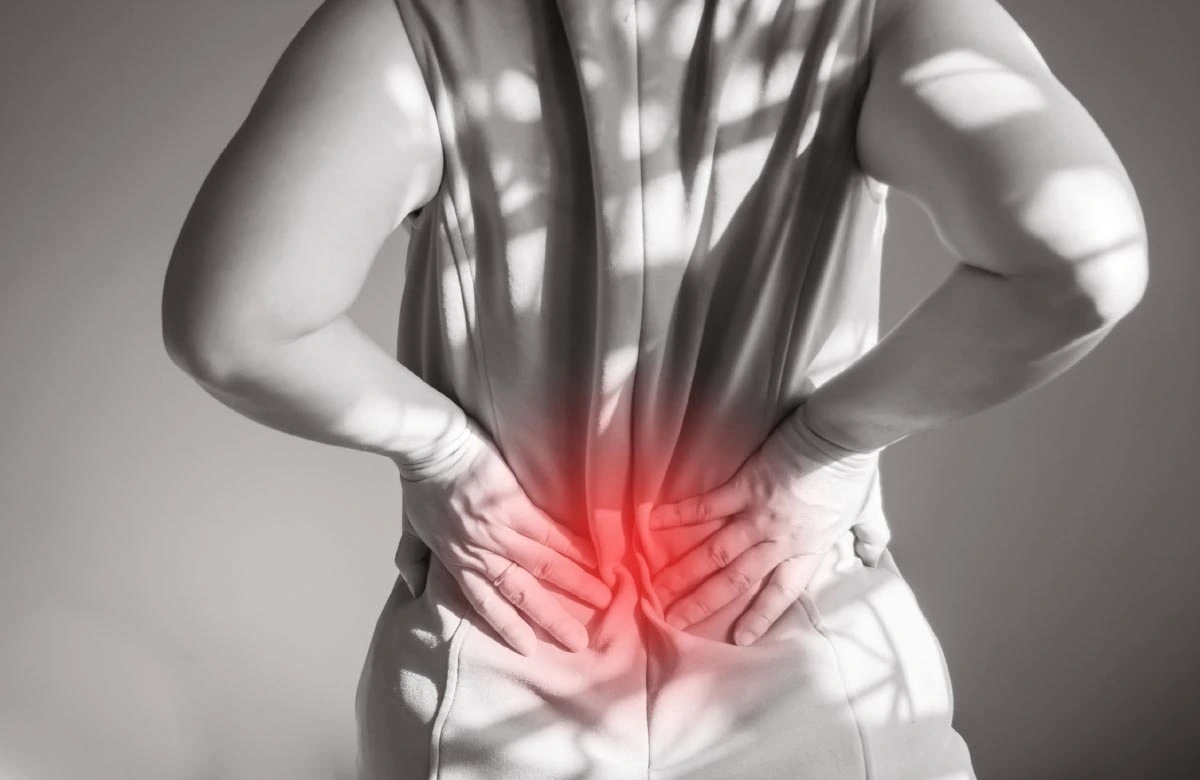
Back pain is often thought of as an adult problem, but it is surprisingly common among teenage girls. Between growth spurts, heavy backpacks, hours of sitting at a desk or hunched over a phone, and the physical demands of sports or dance, a teenager’s spine goes through a lot of stress during these formative years. Add hormonal shifts and menstrual cycles into the mix, and it becomes clear why so many teenage girls experience back pain at some point during adolescence. Understanding the underlying cause of back pain is the first step toward finding safe and effective relief. While most cases are related to posture, muscle strain, or normal growth changes, some symptoms deserve closer attention from a healthcare provider. At Safe Health 247, we believe teenagers and their families deserve clear, honest, and practical information to help them tell the difference between everyday discomfort and something that needs medical evaluation.
Common Causes of Back Pain in Teenage Girls
There is rarely a single cause of back pain in teens. More often, it is a combination of daily habits and physical changes working together. Recognizing these causes of back pain in teens can help parents and teenagers address the problem at its root instead of just managing symptoms.
Posture, Backpacks, Studying, and Screen Time
Many teenagers spend long hours sitting for schoolwork, studying, or scrolling on phones and laptops. This kind of prolonged sitting, especially with rounded shoulders or a forward-leaning neck, places extra strain on the muscles that support the spine. Overloaded backpacks carried on one shoulder can also pull the body out of natural alignment, contributing to shoulder, neck, and lower back discomfort over time. Small adjustments to how a teen sits, studies, and carries her bag can make a noticeable difference in how her back feels by the end of the day.
Sports, Physical Activity, and Muscle Strain
Active teenage girls involved in gymnastics, dance, volleyball, running, or other sports may experience back pain related to muscle strain, overuse, or improper warm-up and stretching routines. This type of pain is usually related to overworked muscles rather than a serious spinal issue, but it should still be taken seriously if it lingers or worsens with continued activity.
Menstrual Periods and Back Pain
It is very common for teenage girls to notice lower back pain around the time of their menstrual period. This is often connected to uterine cramping, hormonal fluctuations, and changes in pelvic muscle tension. While this type of back pain in teenage girls is usually temporary and resolves once the period ends, severe or disabling menstrual pain should be discussed with a doctor, since it may point to an underlying condition that deserves attention.
Growth Spurts and Hormonal Changes
During puberty, bones can grow faster than the surrounding muscles and connective tissue can keep up with, sometimes leading to temporary aches and stiffness, including in the back. Hormonal changes during this time can also affect ligament flexibility and muscle tension. This kind of growth-related discomfort is usually mild and tends to improve on its own, but it is still worth monitoring.
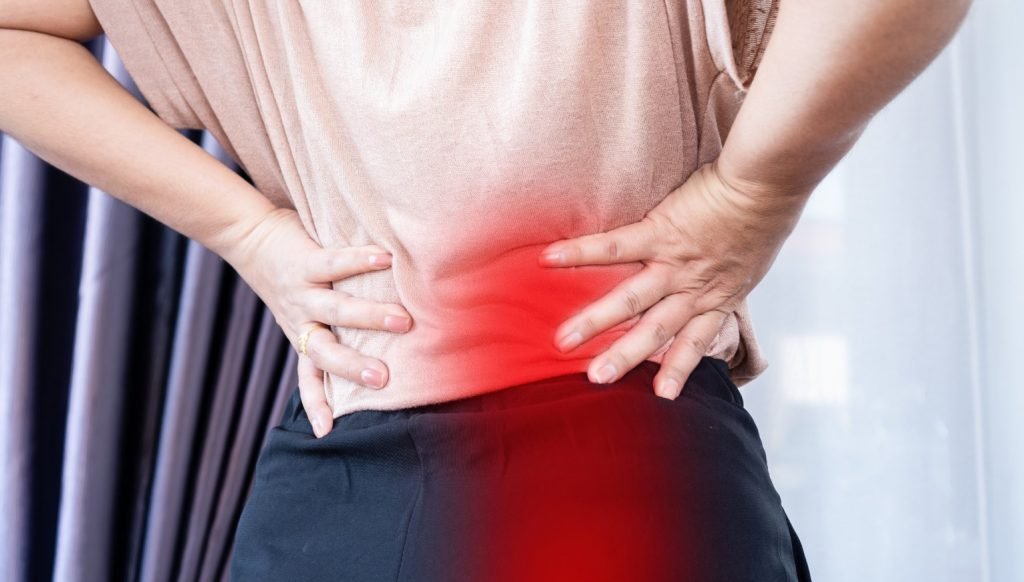
Simple and Safe Ways to Relieve Back Pain at Home
For most teenage girls, back pain relief starts with simple, non-invasive strategies at home. Gentle movement, rather than complete rest, is generally recommended, since staying too still can actually make muscle stiffness worse. Applying a warm compress or heating pad to the affected area for short periods can help relax tense muscles and ease discomfort. Staying well hydrated and getting adequate sleep also supports the body’s natural recovery process, since sleep is when muscles and tissues repair themselves.
Over-the-counter pain relief may be considered for occasional discomfort, but any medication use should always be guided by a parent, caregiver, or healthcare provider, particularly for growing teenagers.
The Role of Stretching, Movement, and Exercise
Gentle stretching plays an important role in easing tension in the muscles that surround the spine. Light activities such as walking, swimming, or beginner-friendly yoga can improve flexibility and circulation without putting excessive strain on the back. Building core strength gradually, under proper guidance, also helps support the spine and may reduce how often back pain occurs. It is best to avoid sudden, intense exercise routines when pain is present, and instead ease back into activity as comfort improves.
Healthy Posture and Ergonomic Habits
Encouraging a teenager to sit with her back supported, feet flat on the floor, and screens at eye level can meaningfully reduce strain on the back and neck. Taking short breaks every thirty to forty minutes to stand, stretch, and reset posture during long study sessions is a simple but effective habit. Choosing a backpack with padded, adjustable straps and wearing it on both shoulders, rather than one, also helps distribute weight more evenly across the back.
When Teenage Girls Should See a Doctor for Back Pain
While mild, occasional back pain is common and often resolves with rest and simple home care, certain warning signs suggest it is time to consult a healthcare professional. Persistent pain that lasts more than a few weeks, pain that continues to worsen rather than improve, or pain that interferes with daily activities, sleep, or school attendance should not be ignored.
Warning Signs That May Require Prompt Medical Attention
Parents and teens should seek medical evaluation if back pain is accompanied by fever, unexplained weight loss, numbness or tingling in the legs, difficulty walking, or pain that wakes the teen up at night. Back pain following a fall, sports injury, or accident should also be checked promptly, since it could indicate a more significant injury that needs professional diagnosis. These situations call for an evaluation by a licensed healthcare provider rather than home treatment alone.

How Parents and Caregivers Can Support Teenagers With Back Pain
Parents play an important role in helping teenage girls manage and prevent back pain. Simple conversations about posture, backpack habits, and screen time can go a long way, especially when paired with encouragement rather than criticism. Helping a teen build a consistent sleep schedule, stay physically active, and maintain a balanced diet supports overall musculoskeletal health. When pain becomes frequent or concerning, scheduling a visit with a pediatrician or family doctor ensures the underlying cause is properly identified rather than guessed at.
Prevention Tips for Reducing Recurring Back Pain
Preventing back pain in teenage girls often comes down to consistency rather than any single fix. Encouraging regular movement throughout the day, promoting good posture during studying, choosing supportive footwear, and maintaining a well-balanced backpack load can all reduce strain over time. Regular physical activity that includes both strength and flexibility work helps build a resilient back that is better able to handle the physical demands of adolescence.
Frequently Asked Questions
Why does my teenage daughter have back pain?
Teenage back pain is often related to posture habits, heavy backpacks, muscle strain from sports, or normal growth-related changes. Menstrual cycles and hormonal shifts can also contribute. If the pain is severe or persistent, a medical evaluation is recommended to rule out other causes.
How can teenage girls relieve back pain at home?
Gentle stretching, light movement, warm compresses, proper hydration, and good sleep habits can all help relieve mild back pain. Maintaining good posture and taking breaks from sitting also supports recovery.
Is back pain during periods normal for teenage girls?
Mild lower back pain during menstruation is common due to cramping and hormonal changes. However, severe or disabling period pain should be discussed with a doctor.
When should a teenager see a doctor for back pain?
A doctor should be consulted if back pain lasts more than a few weeks, worsens over time, follows an injury, or is accompanied by symptoms like fever, numbness, or difficulty walking.
Can backpacks cause back pain in teenage girls?
Yes, heavy or improperly worn backpacks can strain the shoulders and back. Using both straps and choosing a well-padded, properly sized backpack can help reduce this risk.
Final Thoughts
Back pain in teenage girls is common and, in most cases, related to everyday factors like posture, backpack habits, physical activity, or normal hormonal and growth-related changes. Simple home care strategies such as gentle stretching, good posture, and healthy sleep habits often provide meaningful relief. However, persistent, severe, or unusual symptoms should never be ignored. Parents and caregivers play a key role in noticing patterns and encouraging timely medical evaluation when needed. If back pain continues or raises concern, consulting a licensed healthcare provider is always the safest and most responsible next step.