Introduction: Why Does Anxiety Make Me Feel Dizzy?
Many local patients ask our medical staff a very common question during visits. They wonder, can anxiety cause dizziness? This terrifying symptom surprises people every single day, disrupting their normal routines entirely.
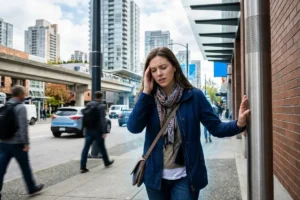
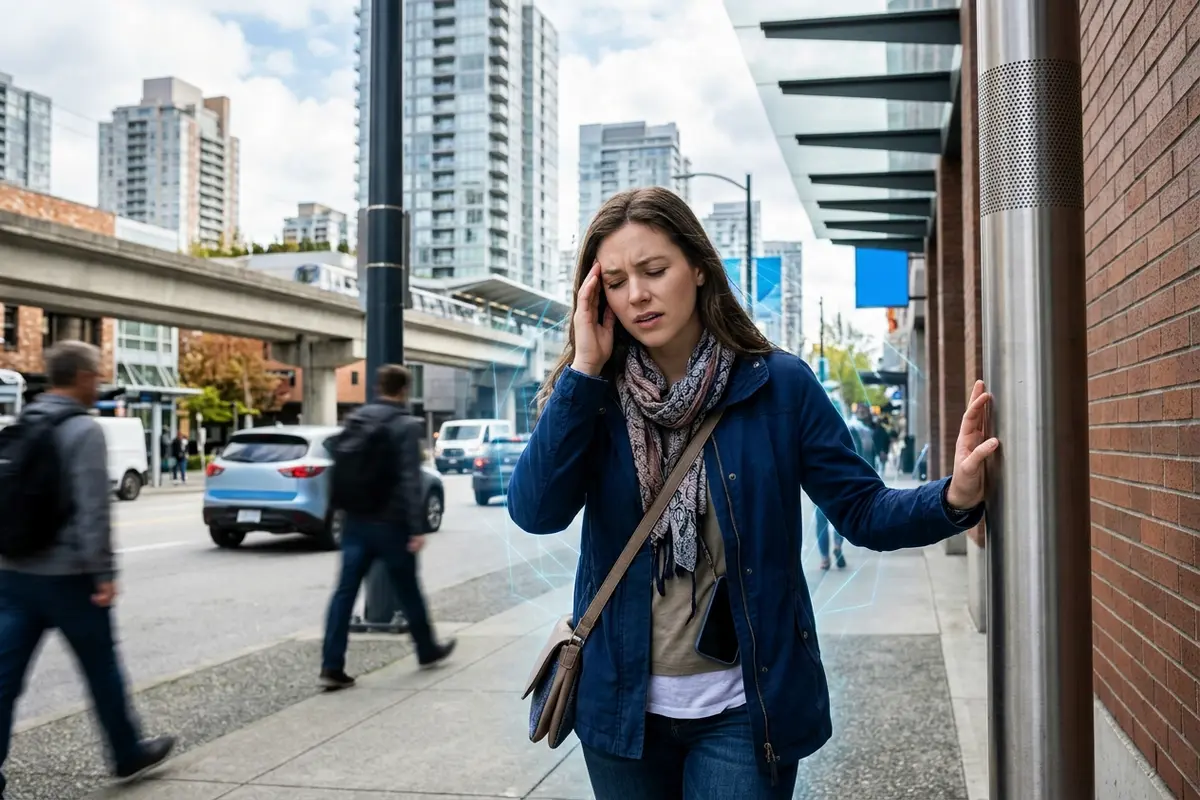
In fact, intense panic affects your physical body deeply. You might suddenly feel a strange swaying sensation. This confusing feeling often happens while navigating crowded [City] grocery stores on weekends.
Because of this, many patients seek anti-anxiety medications for immediate help. The right medical treatment changes everything. Our comprehensive 2026 guide explores this deeply troubling and complex medical issue.
We explain exactly why chronic stress disrupts your natural balance system. Soon, you will learn practical ways to stop the room from spinning completely.
The Link Between Anxiety-Induced Vertigo and Physical Stress
Your brain and inner ear communicate constantly. High stress levels disrupt this vital communication pathway without any warning. As a result, you might experience severe anxiety-induced vertigo.
This condition makes the room feel unstable. Mental strain creates very real physical reactions inside your body. Your shoulder muscles tighten rapidly without you noticing.
Therefore, exhausted individuals experience painful tension headaches and noticeable swaying. These small changes throw off your natural equilibrium. Living in a busy environment like [City] adds immense pressure.
Long highway commutes increase your daily tension significantly. Because of this, your delicate nervous system remains on high alert constantly. This vigilance drains your physical energy.
To ease this severe strain, some nervous patients explore muscle relaxants cautiously. A calm body supports a quiet mind. You must address physical stiffness and mental tension together for true relief.
How the Fight-or-Flight Response Affects Balance in [City] Patients
Perceived danger triggers your natural fight-or-flight response system instantly. Your adrenal glands release heavy amounts of cortisol and adrenaline into your bloodstream. Consequently, your resting heart rate spikes within mere seconds.
Your blood pressure also rises to protect you. These sudden chemical changes alter your normal blood flow dramatically. Blood rushes directly to your major muscle groups for immediate survival.
However, this quick shift leaves less oxygenated blood for your brain. This creates a dizzy, floating feeling. Your vestibular system relies heavily on steady, consistent blood circulation always.
This sensitive inner ear network manages your overall spatial awareness. A sudden adrenaline rush disrupts this delicate network completely. That is why panic makes you feel unbalanced and entirely disoriented.
Many [City] workers feel this during big corporate meetings. A sudden rush of intense panic hits them incredibly hard. They grab their desk tightly to stop the frightening swaying.
Understanding this biological reaction reduces your fear of the symptoms. Your body is just trying to keep you safe. Unfortunately, this protective mechanism makes you feel terribly unsteady instead.
Hyperventilation and Feeling Lightheaded from Anxiety
Rapid breathing often accompanies intense fear. You might take short, shallow breaths during a very severe panic episode. As a result, you exhale too much carbon dioxide.
This specific imbalance triggers immediate physical changes. Lower carbon dioxide levels narrow your vital blood vessels significantly. This severe constriction reduces crucial oxygen delivery to your sensitive brain tissue.

Consequently, feeling lightheaded from anxiety becomes a very common occurrence for patients. You might even feel faint suddenly. A thirty percent drop in carbon dioxide causes major stability issues.
This precise metric shows exactly how breathing impacts your overall physical balance. Therefore, controlling your breath is critical. Slow, deep breathing restores your natural chemical balance back to normal quickly.
Your blood actually becomes slightly more alkaline during these stressful attacks. This chemical shift affects oxygen binding. Hemoglobin holds onto valuable oxygen much tighter than it usually does.
Therefore, your brain cells receive less usable oxygen temporarily. You might notice tingling fingertips first. Your lips might also feel completely numb without any clear warning.
Identifying Dizzy Spells and Panic Attacks
Chronic stress creates a constant, mild floating sensation. This highly uncomfortable feeling might last for several uninterrupted hours daily. Meanwhile, acute panic causes sudden room spinning.
You must understand the difference between these experiences. People often confuse dizzy spells and panic attacks when seeking local medical treatment. A severe panic attack peaks within ten minutes usually.
The severe dizziness fades as the fear slowly subsides. However, chronic worry causes lingering, subtle unsteadiness. Many [City] residents experience these sudden fearful episodes while driving on busy highways.
Proper medical diagnosis helps pinpoint your exact physical trigger. Knowing your triggers gives you back control. Some patients develop tension-induced vestibular migraines over extended periods of high stress.
These intense migraines cause extreme dizziness without any physical pain. In fact, stress acts as the primary trigger here. A quiet, dark room provides immediate comfort usually.
You might feel like you are on a swaying boat. The floor seems to drop rapidly beneath your shifting feet. Because of this, walking in straight lines becomes hard. You should sit down immediately when this terrifying sensation finally happens.
Common Physical Symptoms of Anxiety to Watch For in 2026
Mental health issues create many uncomfortable bodily sensations. You might notice a racing heartbeat before anything else happens. In fact, chest tightness scares many patients deeply.
You should carefully track these specific physical symptoms of anxiety.
- Pounding heartbeat and sudden chest tightness
- Excessive sweating and uncontrollable bodily trembling
- Stomach pain and severe daily nausea
Because of this, some patients look for pain relief options online. Muscle stiffness creates lasting aches in your vulnerable neck. Experts outline anxiety symptoms and causes with great detail for modern patients.
They note how chronic stress harms overall wellness. Therefore, you must monitor your physical body very closely every single day. Ignoring these vital warning signs only makes them much worse.
Your sensitive gut contains millions of active nerve endings. High anxiety disrupts your normal digestion almost instantly. Consequently, severe nausea accompanies your dizzy spells very often during stressful moments.
This terrible combination makes eating feel completely impossible for hours. Dry mouth is another common symptom. Your salivary glands stop working entirely during moments of intense panic.
Managing Balance Issues and Stress Naturally
Daily movement helps burn off excess nervous energy. A simple twenty minute walk improves your bodily circulation immensely. Consequently, better blood flow supports your delicate inner ear.
This reduces annoying balance issues and stress significantly. Adequate rest protects your highly sensitive nervous system from breaking down. Poor sleep makes you far more vulnerable to sudden panic.
Because of this, some explore sleep medication for extra support. A well rested brain processes daily fears much better. Proper nutrition also keeps your blood sugar incredibly stable all day long.
Sudden sugar crashes make lightheadedness feel much worse. In fact, healthy weight loss sometimes improves your overall physical stability. Proper hydration prevents common fainting spells during hot summer afternoons.
Mental focus requires a very calm and steady mind. Daily distractions amplify your internal fears and lingering worries. Sometimes, medical doctors prescribe ADHD medication for severe focus issues.
Grounding techniques keep your racing mind strictly in the present moment. Try the simple grounding method right now. Name five objects you can clearly see in your current room.
Next, find four distinct things you can physically touch. This mental exercise stops the spinning very quickly. Caffeine triggers your central nervous system into painful overdrive daily.
That morning coffee might cause your afternoon dizziness. Therefore, switching to warm herbal tea helps many struggling patients. Peppermint tea calms the upset stomach and the racing mind beautifully.
Frequently Asked Questions
1. How long does anxiety dizziness last?
Anxiety dizziness can last for just a few short seconds. This usually happens during a sudden, unexpected panic spike. However, it might linger for several painful hours instead. Chronic stress keeps your entire body in constant, rigid tension. As a result, you might feel quite unsteady for several days. Proper medical treatment shortens these uncomfortable dizzy spells significantly.
2. Can anxiety cause dizziness for days?
Yes, severe worry can easily cause dizziness for days. Constant tension leads to persistent postural-perceptual dizziness over time. This frustrating condition makes you feel constantly off balance. In fact, your overloaded brain struggles to process spatial signals correctly. You might feel a swaying sensation from morning until night. Relaxing your nervous system stops this vicious cycle completely.
3. What does anxiety dizziness feel like?
This terrifying symptom rarely feels like the room is spinning. Instead, patients describe a mild floating sensation very often. You might feel like you are walking on soft sponges. Meanwhile, your head feels unusually heavy or incredibly cloudy. This lightheadedness causes major physical discomfort in crowded public spaces. It feels like you might just faint suddenly.
4. How do I stop dizziness from anxiety?
You must regulate your rapid breathing to stop the spinning. Take slow, deep breaths through your nose immediately. This action balances your vital carbon dioxide levels very quickly. Additionally, you should sit down safely and drink cold water. Grounding exercises help bring your panicked mind back to reality. These simple steps relieve acute panic symptoms incredibly fast.
5. Is dizziness a common symptom of a panic attack in [City]?
Dizziness is a highly reported physical symptom in [City]. Fast paced living increases daily mental tension for many residents. Because of this, severe panic attacks happen quite frequently here. People often experience a rapid heartbeat alongside the frightening swaying. Shortness of breath also accompanies this terrifying physical reaction. Seeking local medical support provides lasting, reliable relief.
Are you struggling with dizziness and anxiety in [City]? Contact Safe Health 247 today to explore our 2026 treatment options.