Pink Adderall 30 mg is a search term often used by people who want to identify an amphetamine-based prescription stimulant or understand what a 30 mg Adderall tablet should look like. However, color alone cannot reliably identify any prescription medication. Different manufacturers may produce generic mixed amphetamine salt tablets with different colors, shapes, markings, and inactive ingredients. Adderall is a prescription central nervous system stimulant that contains mixed amphetamine salts. It is primarily prescribed as part of a treatment plan for attention-deficit/hyperactivity disorder, commonly known as ADHD. Amphetamine products are controlled substances because they have recognized medical uses but also carry substantial risks of misuse, dependence, and addiction. Safehealth 247 encourages readers to treat pill identification as a safety matter rather than relying on photographs, color descriptions, or information found on social media. A pharmacist or prescribing healthcare professional should verify any tablet that looks different from the medication you normally receive.
What Is Pink Adderall 30 mg?
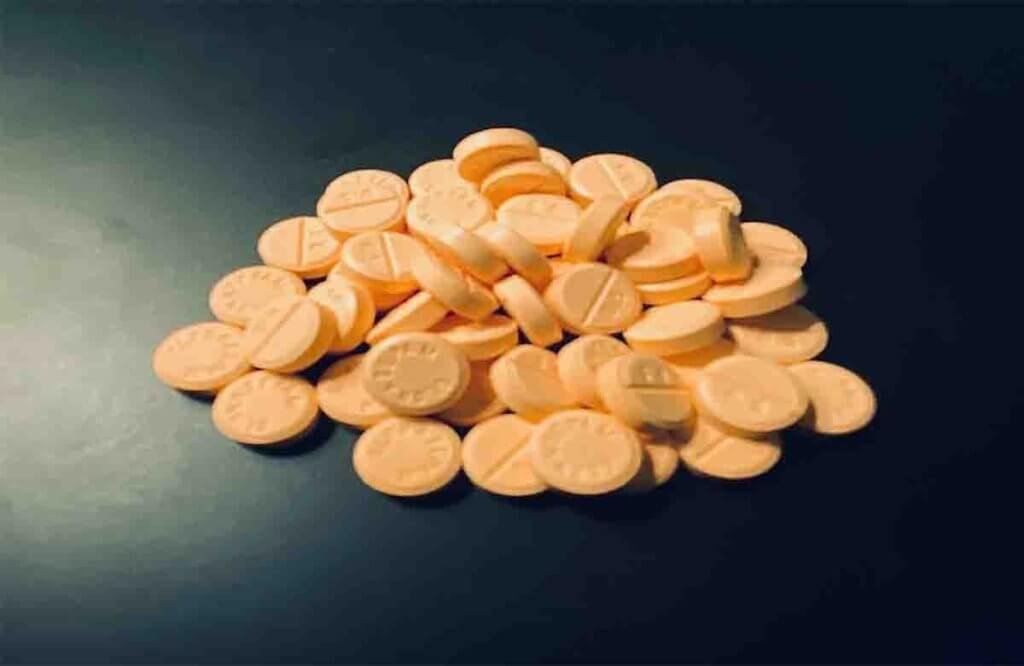
The phrase “Pink Adderall 30 mg” can be misleading because there is no single universal appearance for every 30 mg mixed amphetamine salt tablet.
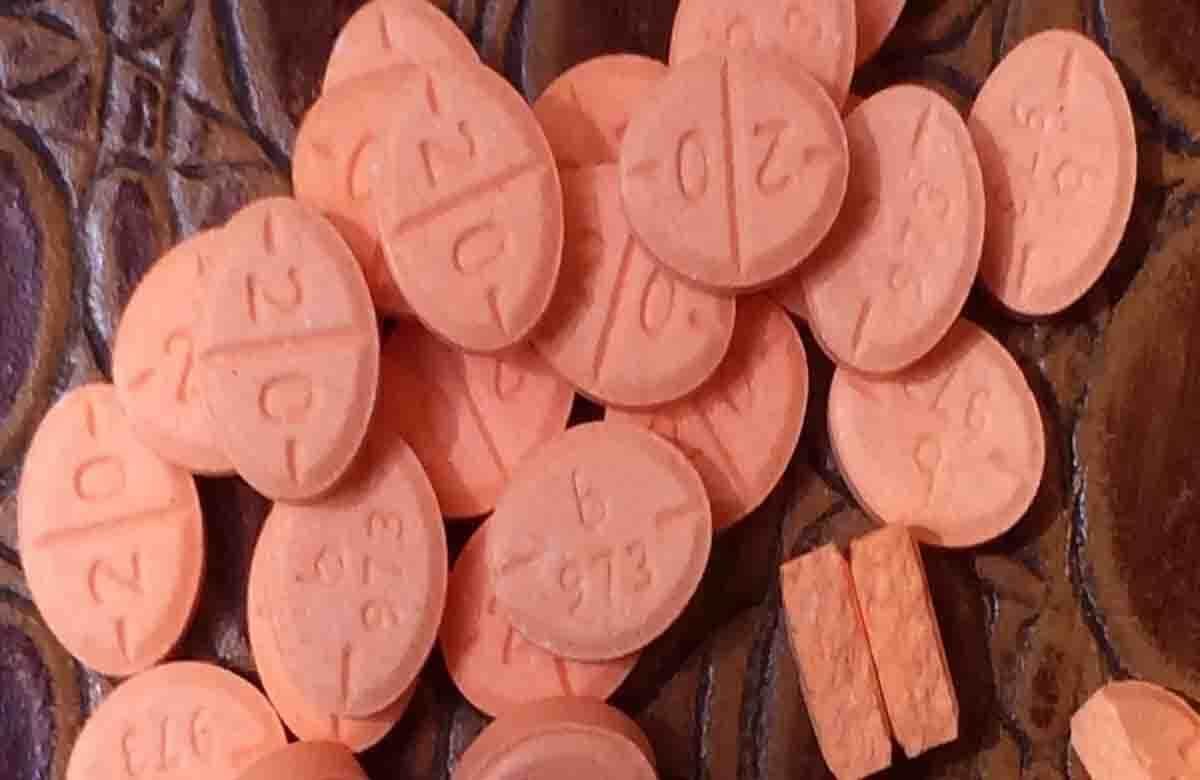
The official Adderall immediate-release 30 mg tablet has historically been described in FDA labeling as orange or peach-colored rather than distinctly pink. Current generic products can look different. For example, some manufacturers list 30 mg mixed amphetamine salt tablets as white to off-white, whereas other formulations have been described as peach.
People may describe certain peach, light-orange, or salmon-colored tablets as pink. Lighting, camera settings, screen colors, and manufacturing differences can also affect how a tablet appears in a photograph.
Therefore, someone should never conclude that a tablet is Adderall simply because it is pink or because “30” appears on it.
How Is Adderall 30 mg Identified?
Safe pill identification requires more than checking color.
Legitimate prescription tablets typically have identifying characteristics such as dosage strength, shape, manufacturer-specific imprint, scoring pattern, packaging information, and National Drug Code. These details can vary among FDA-approved generic manufacturers.
Current DailyMed listings illustrate that difference clearly. One mixed amphetamine salt product lists its 30 mg tablet as white to off-white, oval, and marked with manufacturer-specific characters. Other approved formulations have historically used peach tablets with different imprints.
This variation explains why an online search for “pink Adderall 30 mg pill” cannot provide a definitive identification.
If a prescription tablet suddenly has a different color, shape, size, or imprint, patients should check the pharmacy label and contact the dispensing pharmacist before taking it.
What Does Adderall Contain?
Adderall immediate-release tablets contain a combination of amphetamine salts. The formulation includes dextroamphetamine saccharate, amphetamine aspartate, dextroamphetamine sulfate, and amphetamine sulfate.
The combination contains dextroamphetamine and levoamphetamine components. These substances act as central nervous system stimulants.
Inactive ingredients and coloring agents may vary according to strength and manufacturer. That is one reason generic versions can have noticeably different appearances even when they contain the same labeled active ingredients and strength.
Patients should therefore focus on the prescription label, manufacturer information, and pharmacist verification instead of expecting every tablet to look identical.
What Is Adderall Prescribed For?
Mixed amphetamine salts are prescribed primarily for ADHD. Certain amphetamine formulations may also be used for narcolepsy according to their approved labeling.
ADHD affects attention, impulse control, organization, and activity regulation. Prescription stimulants can reduce symptoms such as impulsivity and hyperactivity and can improve attention in appropriately diagnosed patients.
Medication is only one part of ADHD management. A healthcare professional may consider medical history, symptoms, age, other medications, cardiovascular risk, mental health history, and treatment response when determining whether a stimulant is appropriate.
A 30 mg tablet should not be interpreted as the correct strength for every person with ADHD. Prescription stimulant treatment requires individualized medical supervision.
How Does Adderall Work?
Amphetamines stimulate activity within the central nervous system. Available prescribing information explains that amphetamines influence neurotransmitters including dopamine and norepinephrine.
Their precise therapeutic mechanism in ADHD is not completely understood. However, amphetamines are believed to affect the release and reuptake of these neurotransmitters within the nervous system.
These effects can improve attention and behavioral control in appropriately diagnosed patients. The same stimulant properties also explain why these medicines require careful prescribing and monitoring.
Patients should never increase the amount taken simply because they believe the medication has become less effective. Changes in effectiveness, duration, sleep, appetite, mood, or concentration should instead be discussed with the prescribing professional.
Is Adderall 30 mg a Controlled Substance?
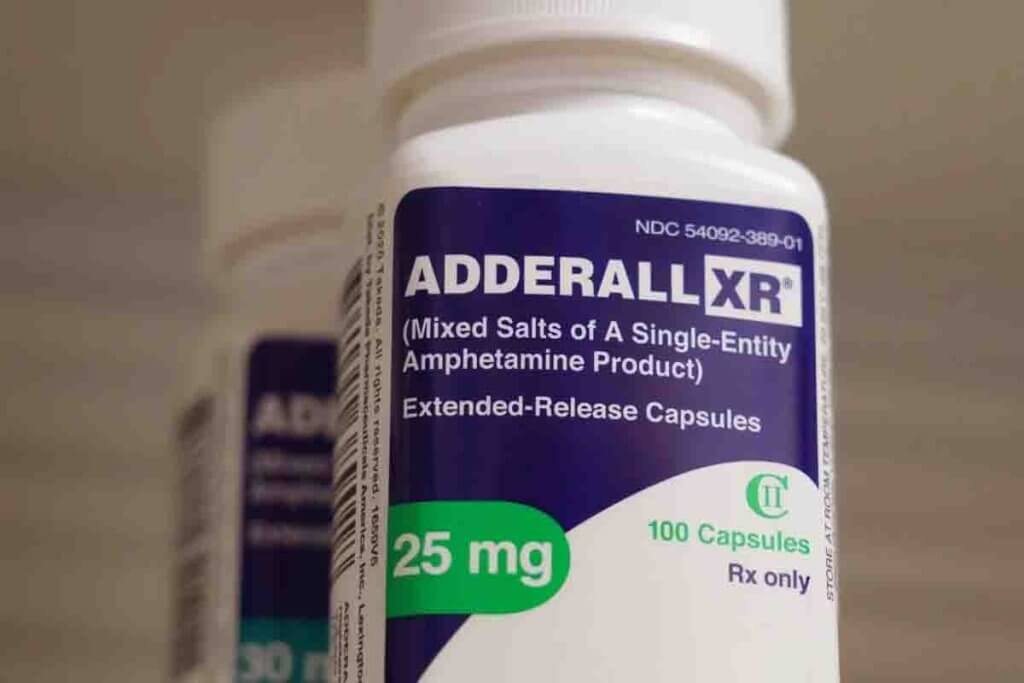
Yes. Amphetamine-containing prescription medications are classified as Schedule II controlled substances in the United States.
Schedule II classification recognizes that these medicines have accepted medical uses but also a high potential for misuse and dependence.
The FDA strengthened warnings for prescription stimulants because misuse can lead to addiction, overdose, and death. The agency specifically warns against taking medication differently from the prescribed instructions or giving prescription stimulants to another person.
Patients should use Adderall only when it has been prescribed specifically for them and should follow their healthcare professional’s instructions.
Common Side Effects and Safety Considerations
Prescription stimulants can cause side effects even when they are taken exactly as prescribed.
Amphetamine labeling includes effects such as decreased appetite, difficulty sleeping, increased heart rate, palpitations, and increases in blood pressure. Nervousness and other central nervous system effects can also occur.
Some reactions require prompt medical evaluation. Prescription stimulant labeling includes warnings involving cardiovascular problems, new or worsening psychiatric symptoms, circulation problems in the fingers and toes, and other potentially serious effects.
A patient who experiences a new, severe, or concerning reaction should contact a qualified healthcare professional rather than trying to adjust the medication independently.
Who Should Be Especially Careful With Amphetamine Medications?
Medical history matters when prescription stimulants are considered.
Healthcare professionals may need to evaluate cardiovascular history, blood pressure, psychiatric history, seizure risk, circulation problems, other medications, and the possibility of substance misuse before or during treatment.
Amphetamine products also have important drug interactions. One major contraindication involves monoamine oxidase inhibitors, commonly called MAOIs. FDA-approved labeling warns against using amphetamine products during or shortly after treatment with an MAOI because dangerous reactions can occur.
Patients should give their prescriber and pharmacist an accurate list of prescription medicines, nonprescription medicines, and other substances they use.
Why Pill Color Alone Is Not Reliable
The color problem is especially important when discussing “pink Adderall 30 mg.”
Manufacturers can use different tablet shapes, colors, scoring patterns, and imprints. Approved formulations have included peach-colored 30 mg tablets, while another current generic DailyMed listing describes its 30 mg tablet as white to off-white.
A tablet’s appearance can also change when a pharmacy switches manufacturers.
Therefore, a different-looking tablet does not automatically mean that the medication is counterfeit. However, it also should not automatically be assumed to be genuine.
Patients who notice an unexplained change should compare the pharmacy label and contact their pharmacist.
Counterfeit Adderall Is an Important Safety Concern
Counterfeit prescription pills make accurate identification particularly important.
The FDA warns that counterfeit medicines may contain the wrong ingredients, an incorrect amount of an active ingredient, no active ingredient, or potentially harmful substances.
The DEA also warns that counterfeit pills can be manufactured to resemble prescription stimulants such as Adderall. Some fake tablets have contained substances that were not expected by the person taking them. The DEA emphasizes that visual inspection alone may not reliably distinguish a counterfeit pill from an authentic prescription product.
This is another reason photographs and online pill-color descriptions should never replace professional verification.
Medication prescribed by a healthcare professional and dispensed through a licensed pharmacy provides important safeguards that an unidentified tablet does not provide.

What Should You Do If Your Adderall Looks Different?
A different appearance does not necessarily mean something is wrong because pharmacies sometimes change generic manufacturers.
However, verification is appropriate before taking an unfamiliar tablet.
Check the prescription bottle and manufacturer information first. Compare the dosage strength with your prescription. Then contact the dispensing pharmacy if the color, shape, imprint, or tablet size appears unexpected.
The pharmacist can determine whether the pharmacy supplied a different FDA-approved manufacturer and can verify the tablet against pharmacy records.
Someone who finds a loose tablet without its original prescription container should not rely on color or online photographs to decide what it contains.
Can Adderall Be Shared With Someone Else?
Prescription stimulants should never be shared.
The FDA warns that giving prescription stimulants to another person can contribute to misuse, addiction, overdose, and other serious harm. A medication that is appropriate for one person’s medical history may be inappropriate or dangerous for another.
Sharing a controlled prescription medication can also create legal problems.
People experiencing concentration problems, hyperactivity, sleepiness, or possible ADHD symptoms should seek a professional medical evaluation rather than using another person’s prescription.
Safe Storage Is Important
Secure storage is an important part of stimulant safety.
FDA safety guidance advises patients and families to store prescription stimulants properly and prevent other people from accessing them. The same guidance emphasizes proper disposal of unused medication.
Keeping the medication in its original labeled container also makes identification easier and reduces confusion with other medicines.
Patients should pay particular attention to storage when children, teenagers, visitors, or other household members could access prescription medications.
What Are Signs of a Possible Stimulant Emergency?
Excessive exposure to prescription stimulants can become medically dangerous.
FDA information identifies serious overdose symptoms that can include seizures, severe agitation, confusion, rapid breathing, abnormal heart rate, tremors, and other severe cardiovascular or neurological symptoms. Serious cases may result in heart attack, stroke, or death.
Anyone who may have taken too much of a stimulant or who develops severe symptoms requires urgent medical evaluation.
Patients should not attempt to compensate for a missed dose or other medication problem without instructions from their healthcare professional.
Is “Pink Adderall 30 mg” the Same as Brand-Name Adderall?
Not necessarily.
The term may refer to a generic mixed amphetamine salt tablet that someone perceives as pink, peach, or light orange. It may also be an inaccurate description of a tablet or, in some circumstances, an unidentified or counterfeit pill.
Official labeling has described brand-name Adderall 30 mg immediate-release tablets as orange, while some generic 30 mg products have been described as peach and others as white or off-white.
Color therefore cannot confirm brand, manufacturer, strength, or authenticity.
Why Accurate Information Matters
Searches for medication appearance often come from people who are concerned because their prescription looks different. That concern deserves a medically accurate answer rather than a simple pill photograph.
Reliable medication information should identify the active drug, explain approved uses, describe important risks, clarify controlled-substance status, and encourage professional verification.
Safehealth 247 recommends treating all unfamiliar prescription tablets cautiously. Readers should use authoritative medication labeling and qualified healthcare professionals when making decisions involving stimulant medications.
Online information can support patient education, but it cannot confirm what an individual loose tablet contains.
Final Thoughts
Pink Adderall 30 mg is not a precise medical identification. The appearance of 30 mg mixed amphetamine salt tablets can vary between manufacturers, and official products may be described as orange, peach, white, or off-white rather than simply “pink.”
Adderall is a prescription central nervous system stimulant and a Schedule II controlled substance. It can provide meaningful benefits for appropriately diagnosed patients, but it also carries important risks involving side effects, misuse, dependence, addiction, and overdose.
Never identify an unfamiliar tablet from color alone. Check its prescription packaging and speak with a licensed pharmacist or healthcare professional when the appearance does not match what you expected.
Safehealth 247 supports an informed, safety-first approach to medication information. Accurate identification, professional medical supervision, secure storage, and responsible use are essential whenever prescription stimulant medicines are involved.