Most American households keep at least one medication on hand at any given time — whether it is a prescription drug, an over-the-counter pain reliever, or a daily vitamin supplement. Yet very few people stop to think about whether those medicines are being stored correctly. Improper storage is one of the most overlooked health risks in the home, and it can silently reduce the effectiveness of your medication, cause dangerous chemical changes, or even put children and pets at serious risk.
At Safe Health 247, our mission is to help everyday families make smarter, safer health decisions — starting right in their own homes. If you have ever wondered whether that bottle of ibuprofen sitting in your steamy bathroom cabinet is still doing its job, or whether your insulin is being kept at the right temperature, this guide is written for you.
Why Proper Medicine Storage Matters More Than You Think
Before diving into the specific ways to store medicines properly at home, it is worth understanding why this topic deserves real attention. The U.S. Food and Drug Administration has long warned that medications stored under the wrong conditions can degrade significantly before their expiration date. Heat, humidity, and light are the three biggest enemies of drug stability. When a medication breaks down, it does not simply become less effective — in some cases, it can become toxic or cause unexpected side effects.
Beyond potency, improper storage is one of the leading contributors to accidental poisoning in American homes, particularly among children under the age of six. The CDC reports tens of thousands of emergency room visits each year related to accidental medication ingestion. These are not just statistics — they are preventable tragedies. Knowing how to store medicines properly at home is, in every real sense, a life-safety skill.
1. Keep Medicines Away From Heat and Direct Sunlight
Temperature is the single most critical factor in drug stability. Most medications should be stored at room temperature, which the pharmaceutical industry defines as between 59°F and 77°F. However, “room temperature” is not the same in every room of your home.
Your kitchen, for example, may routinely exceed these thresholds near the stove or dishwasher. A car glovebox in the summer can reach temperatures well above 100°F, which is enough to degrade certain medications within hours. Choose a cool, dry interior location — like a bedroom dresser drawer or a hallway closet shelf — rather than placing medications near appliances that generate heat.
2. Ditch the Bathroom Medicine Cabinet
This one surprises a lot of people. The bathroom medicine cabinet has been a fixture in American homes for generations, yet it is actually one of the worst places to store medications. Bathrooms are environments defined by frequent temperature swings and high humidity levels from showers and baths — exactly the conditions that accelerate medicine breakdown.
Moisture can cause tablets to crumble, capsules to fuse together, and liquid medications to separate or change consistency. Instead, use a dedicated storage box kept in a bedroom or linen closet where humidity levels remain stable throughout the day.
3. Store Refrigerated Medicines Correctly
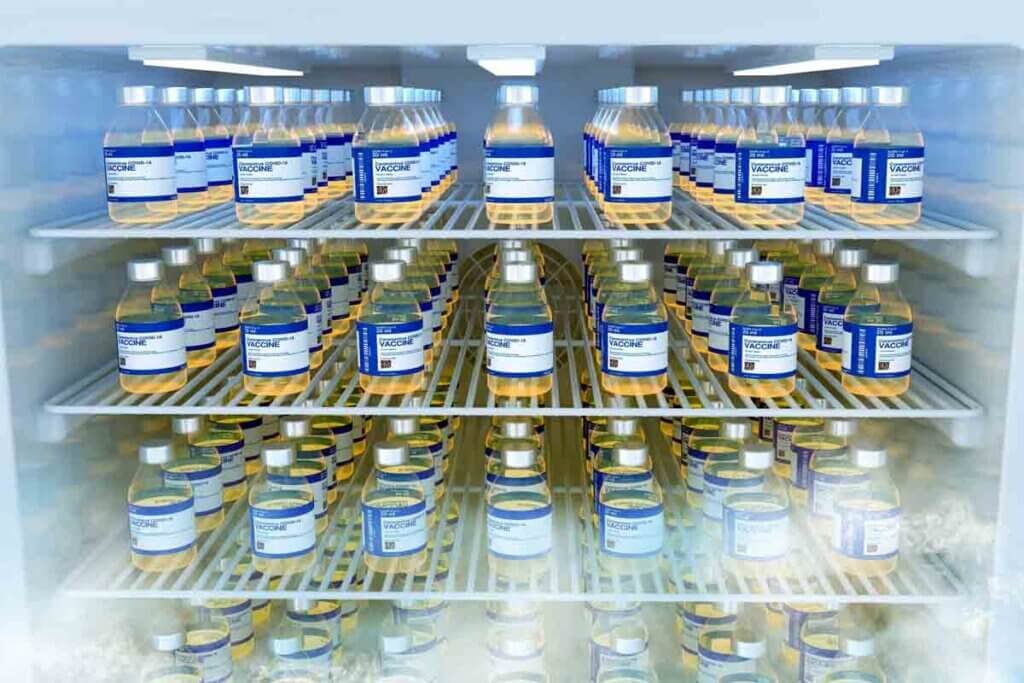
Some medications — including certain insulin products, liquid antibiotics, and specific eye drops — must be refrigerated to remain effective. If you have been prescribed a refrigerator-required medication, it is important to understand the right way to keep it cold.
Never store these anxiety medications in the freezer unless the label specifically instructs you to do so. Freezing can permanently alter the chemical structure of many drugs, rendering them useless or harmful. Keep refrigerated medicines in the main body of the fridge, away from the freezer compartment and away from the back wall, where temperatures can dip unpredictably. A small, labeled container or medication bin inside the fridge helps keep things organized and prevents mix-ups.
4. Lock Medications Up — Especially in Homes With Children or Teens
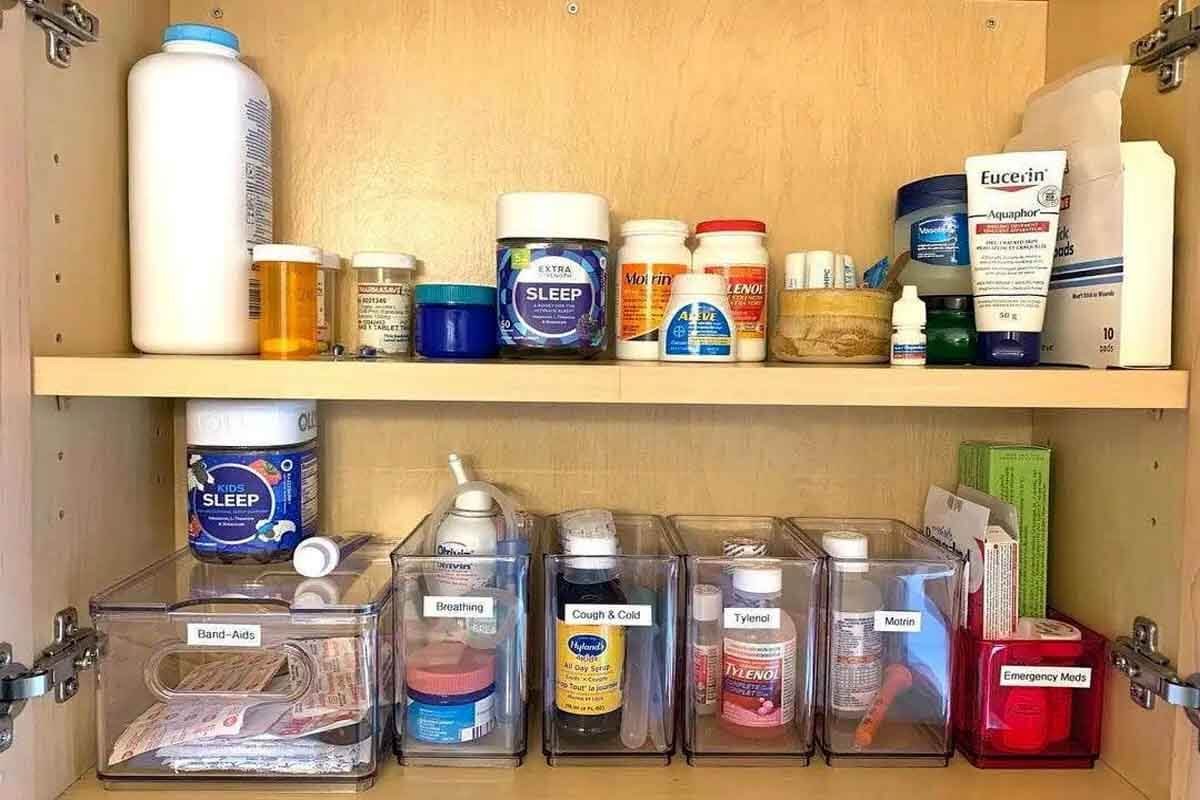
Child-resistant packaging is a helpful first line of defense, but it is not foolproof. Children are naturally curious, and older children and teenagers can often open standard safety caps with ease. At Safe Health 247, we strongly recommend using a lockable medication storage box for any household that includes young children, teenagers, or guests who may be vulnerable to accidental or intentional misuse.
This is especially important for opioids, sleep aids, benzodiazepines, and any other medications with high misuse potential. Locking up your medications is not about distrust — it is about creating a safe environment for every member of your household.
5. Always Keep Medicines in Their Original Containers
It might seem convenient to combine two half-full bottles of the same medication or transfer pills into a simpler container, but doing so creates serious risks. Original containers carry critical information: the drug name, dosage instructions, prescribing doctor’s name, expiration date, and important warnings.
Removing a medication from its original packaging also strips away the protective properties that pharmaceutical manufacturers engineer into those bottles — such as moisture-absorbing desiccants built into some caps or amber glass designed to block UV light. Keep every medication in the container it came in, with the label intact and legible.
6. Regularly Check Expiration Dates and Dispose of Old Medications Safely
Setting a recurring reminder — perhaps every three months — to go through your home medication supply is one of the most practical habits you can build. Expired medications should never be used, and simply throwing them in the trash or flushing them down the toilet creates its own set of problems, including environmental contamination and the risk that discarded medications could be retrieved and misused.
The U.S. Drug Enforcement Administration sponsors National Prescription Drug Take Back Days throughout the year, and many local pharmacies offer year-round medication disposal kiosks. These programs are free, anonymous, and the safest way to dispose of unused or expired drugs. For medications that cannot be taken to a drop-off location, the FDA recommends mixing them with an undesirable substance like coffee grounds or dirt before sealing them in a bag and placing them in household trash.
7. Keep a Written Record of All Household Medications
One of the most underrated ways to store medicines properly at home is to maintain a simple written or digital inventory of every medication in your household. This record should include the drug name, dosage, prescribing physician, purpose, and expiration date. Update it whenever a new prescription is filled, or an old one is discontinued.
This habit pays dividends in multiple ways. It helps caregivers quickly identify what a household member is taking in an emergency. It reduces the risk of accidentally taking duplicate medications. It helps you stay on top of expiration dates. And in multi-generational or multi-caregiver households, a shared medication list ensures that everyone — from parents to visiting grandparents to home health aides — is working from the same accurate picture of the health situation.

Final Thoughts
Proper medication storage is a quiet but powerful form of healthcare. The seven strategies outlined above are not complicated or expensive to implement — they require intention more than anything else. When you take the time to store your medicines in the right conditions, in the right containers, in the right locations, you are protecting the investment you have made in your health, the safety of your family, and the integrity of treatments your doctor worked hard to prescribe correctly.
At Safe Health 247, we believe that good health starts with good habits at home. Medication safety is one of those habits that deserves to be built early and maintained consistently. Start with one change today — perhaps moving your medications out of the bathroom — and build from there. Your future self will be healthier for it.