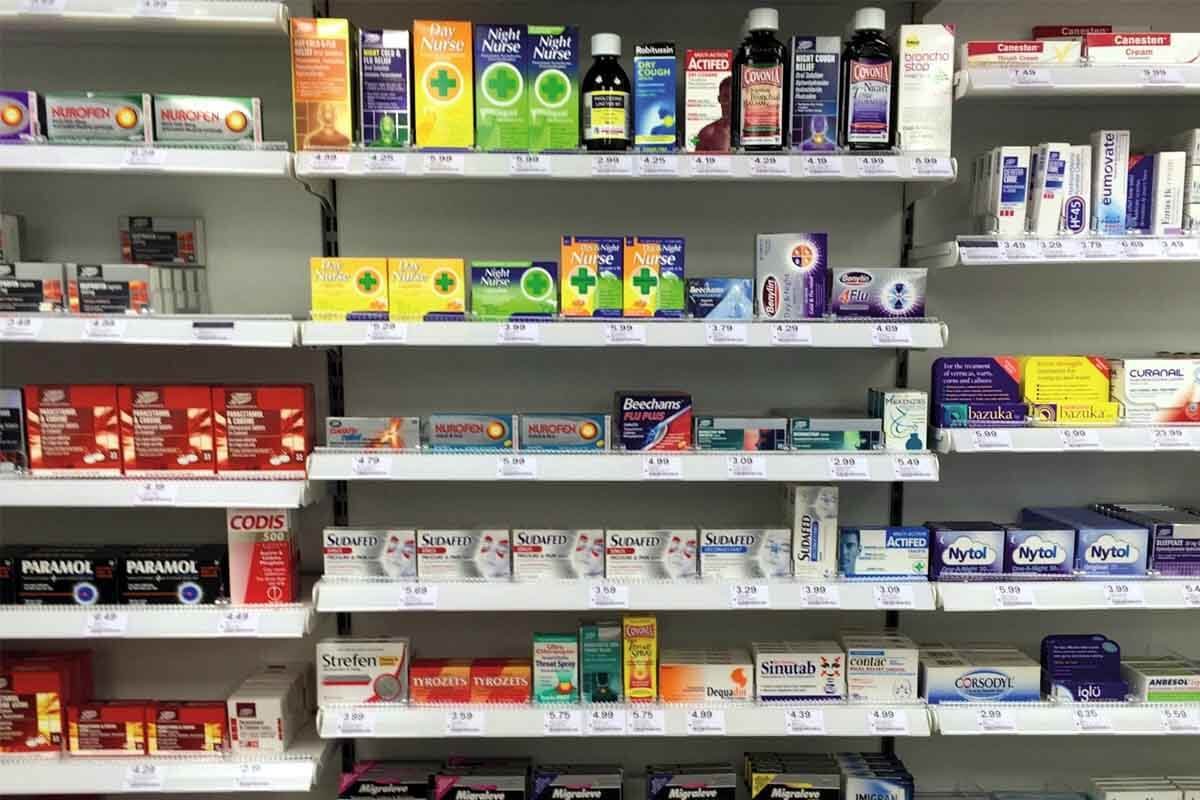
Every household deals with sudden headaches, seasonal allergies, upset stomachs, or minor injuries at some point. Having the right over-the-counter (OTC) medicines on hand can make the difference between a stressful night and a quick, manageable fix. At Safe Health 247, we believe that being prepared with a well-stocked medicine cabinet is one of the simplest ways to protect your family’s health and avoid unnecessary trips to urgent care.
This guide walks through the ten most important OTC medicines that experts and pharmacists consistently recommend for American homes. Each of these products addresses a common health issue, and understanding their uses can help you respond quickly and confidently when minor health concerns arise.
Why Every Home Needs a Basic OTC Medicine Kit
Minor illnesses and injuries do not wait for convenient timing. A child might spike a fever at midnight, or a family member might develop a sudden allergic reaction during a weekend gathering. Having trusted OTC medicines readily available allows you to treat mild symptoms at home while monitoring whether professional medical care becomes necessary. According to public health guidance from the Centers for Disease Control and Prevention, having basic first aid and medicine supplies at home is a recommended part of family emergency preparedness. Safe Health 247 encourages every household to treat this list as a foundation, not a replacement for professional medical advice.

1. Acetaminophen for Pain and Fever Relief
Acetaminophen, commonly sold under brand names like Tylenol, is one of the most widely used medications for reducing fever and relieving mild to moderate pain such as headaches, muscle aches, and toothaches. It is generally gentle on the stomach compared to other pain relievers, making it a suitable first choice for many age groups when dosage instructions are followed carefully.
2. Ibuprofen for Inflammation and Pain
Ibuprofen belongs to a class of medicines known as nonsteroidal anti-inflammatory drugs, or NSAIDs. It works well for reducing inflammation, easing menstrual cramps, and relieving joint or muscle pain. Many households keep both acetaminophen and ibuprofen on hand since they work differently and can be useful in different situations.
3. Antihistamines for Allergy Relief
Seasonal allergies, insect bites, and mild allergic reactions are extremely common across the United States. Antihistamines such as diphenhydramine or loratadine help control sneezing, itching, watery eyes, and skin reactions. Having a fast-acting antihistamine at home is particularly important for families with children or pets, where allergic reactions can occur unexpectedly.
4. Antacids for Digestive Discomfort
Heartburn, indigestion, and acid reflux are common after heavy meals or stressful days. Antacids help neutralize stomach acid and provide quick relief. These medicines are especially useful for households that frequently deal with mild digestive discomfort after eating.
5. Anti-Diarrheal Medication
Sudden stomach upset or diarrhea can happen due to food sensitivities, minor infections, or travel. Anti-diarrheal medicines help control symptoms and prevent dehydration until the digestive system settles. Keeping one on hand is especially useful for families who travel often or have young children.
6. Cough Suppressants and Expectorants
Cold and flu season brings persistent coughing that can disrupt sleep and daily routines. Cough suppressants help calm a dry, irritating cough, while expectorants assist in loosening mucus for a more productive cough. Many combination products address both symptoms together, which is convenient for treating common colds at home.
7. Decongestants for Cold and Sinus Relief
Nasal congestion is one of the most uncomfortable symptoms of colds, sinus infections, and allergies. Decongestants help reduce swelling in nasal passages, making it easier to breathe. These are commonly available as tablets, liquids, or nasal sprays, giving families flexibility depending on age and preference.

8. Topical Antibiotic Ointment
Minor cuts, scrapes, and burns are almost unavoidable, especially in homes with active children or pets. A topical antibiotic ointment helps prevent infection and supports faster healing. This small tube is a staple in nearly every first aid kit recommended by health professionals.
9. Hydrocortisone Cream for Skin Irritation
Rashes, insect bites, and mild skin irritations can cause significant discomfort. Hydrocortisone cream is a mild corticosteroid that reduces redness, itching, and swelling. It is especially helpful during outdoor seasons when bug bites and plant-related skin reactions are more frequent.
10. Oral Rehydration Solutions
Dehydration can occur quickly due to vomiting, diarrhea, fever, or intense physical activity, particularly in children and older adults. Oral rehydration solutions replace lost fluids and essential electrolytes more effectively than water alone. Keeping these on hand is especially valuable during flu season or hot summer months.
How to Store OTC Medicines Safely at Home
Simply having these medicines is not enough. Proper storage plays a major role in maintaining their effectiveness and ensuring safety within the household. Medicines should be kept in a cool, dry place away from direct sunlight, and ideally out of reach of children. Checking expiration dates regularly and discarding expired products is equally important, since medicines can lose potency or become unsafe over time. Safe Health 247 recommends reviewing your home medicine cabinet every few months to replace anything outdated or nearly finished.

When to Seek Professional Medical Care
While OTC medicines are helpful for managing minor symptoms, they are not a substitute for professional diagnosis or treatment. Persistent fever, severe pain, symptoms that worsen despite medication, or any signs of a serious allergic reaction require prompt attention from a licensed healthcare provider. Understanding the limits of home treatment is an essential part of responsible health management, and this guide should be used as general educational information rather than personalized medical advice.
Final Thoughts
Building a reliable OTC medicine cabinet is one of the most practical steps any American household can take toward better health preparedness. From pain relief and allergy control to digestive support and wound care, these ten essential medicines cover the most common health concerns families face on a regular basis. At Safe Health 247, our goal is to help you make informed, confident decisions about everyday health needs while always encouraging responsible use and professional consultation when symptoms are severe or persistent. A well-prepared home is a healthier home, and having these basics on hand ensures you are ready for life’s small but inevitable health hiccups.